Last spring, my buddy Mark over in Fishers called me up, frustrated. He had this dark, greasy stain on his asphalt driveway—right where his old Camry parks—and no matter what he tried, it just sat there, laughing at him. He threw down kitty litter, scrubbed with dish soap, even borrowed a pressure washer. Nothing. The stain kept spreading, and after a few freeze-thaw cycles, the asphalt started crumbling around it. That’s when he learned: oil doesn’t just look bad, it eats away at your pavement. If you’re nodding your head because you’ve got a similar mess, I’ll walk you through exactly how to remove oil stains from asphalt without causing more damage.
Why Oil Stains Are a Big Deal
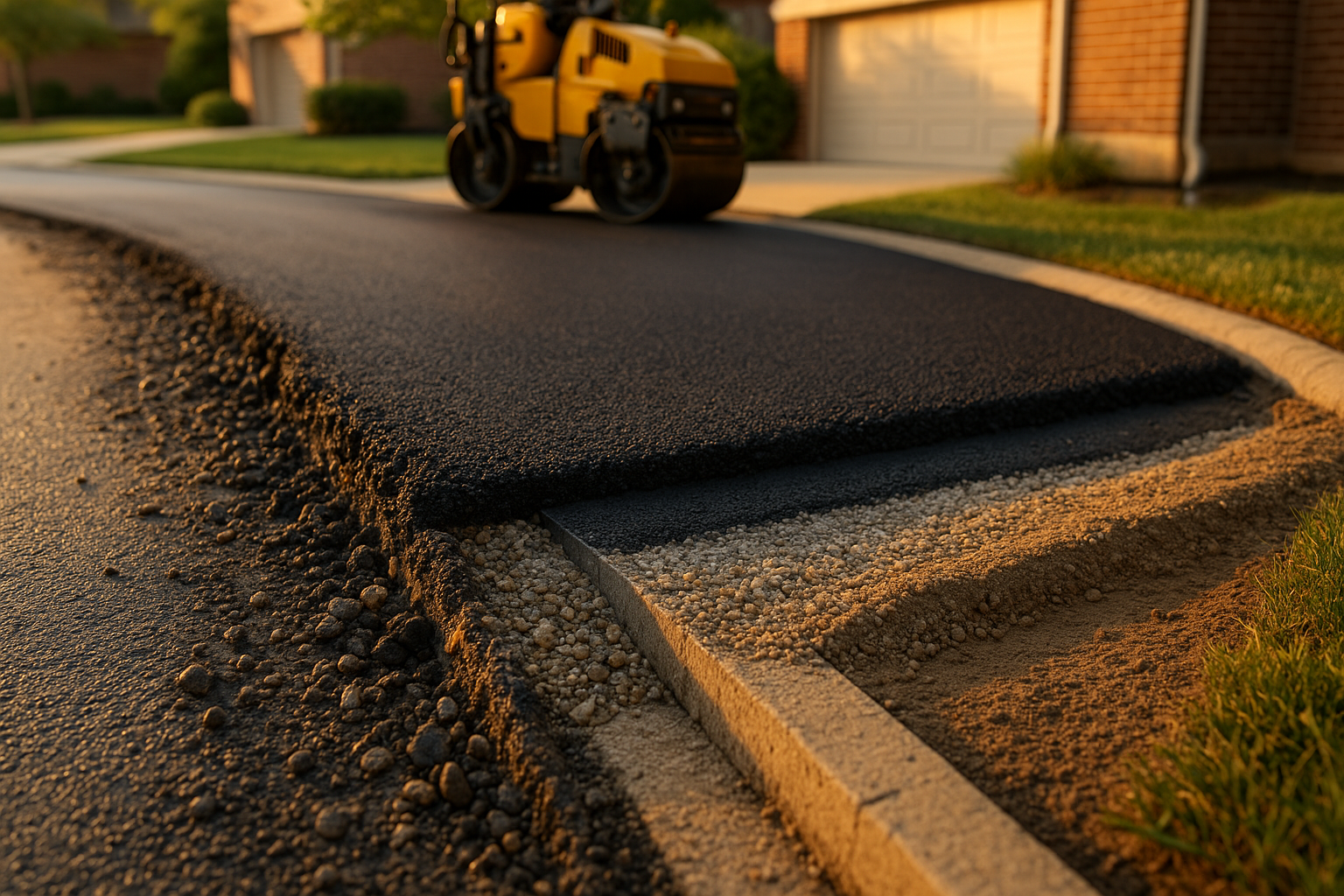
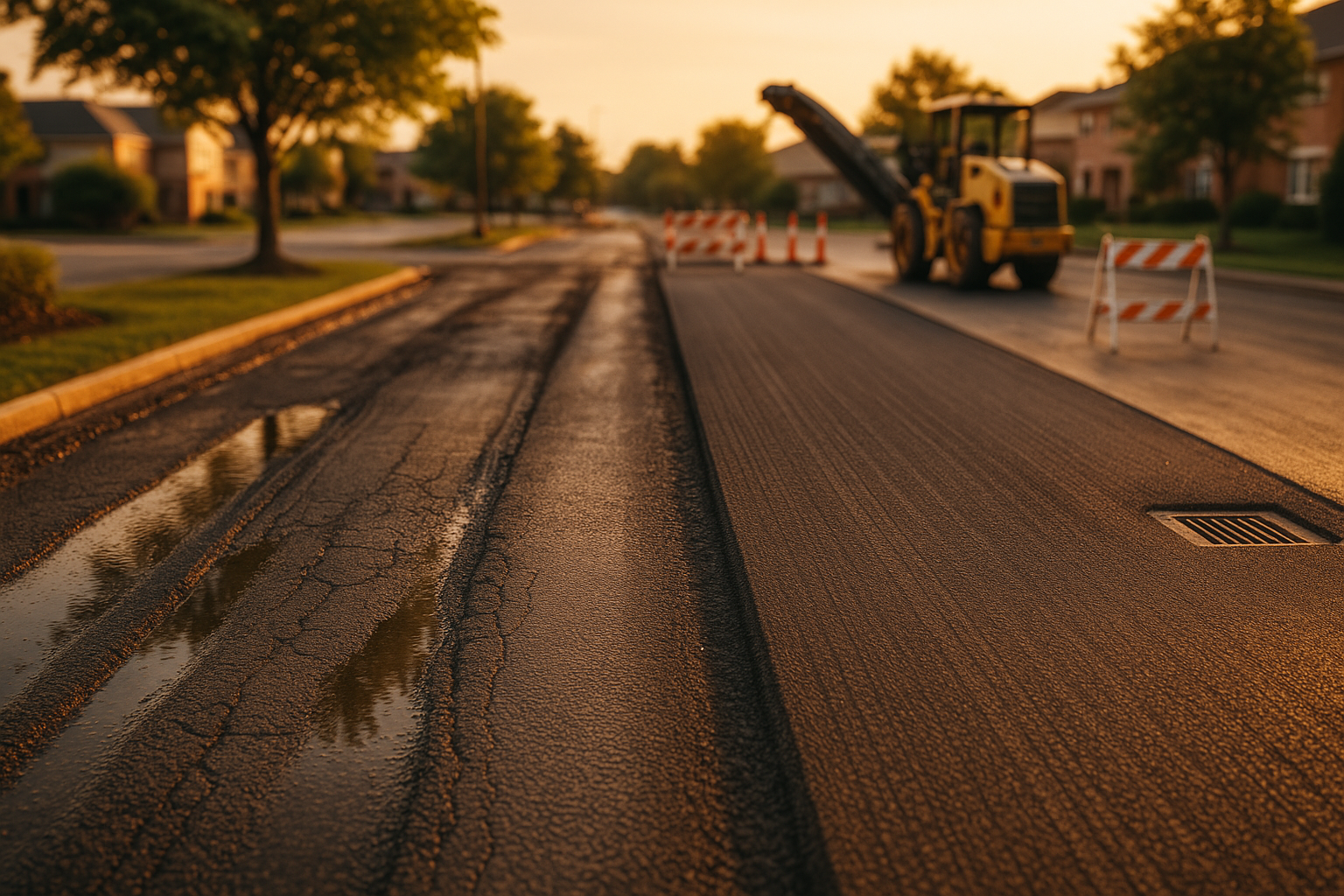
Around here in Indianapolis and places like Carmel, Noblesville, and Plainfield, we get those crazy temperature swings. One day it’s 60°, next day it’s freezing. When oil drips onto asphalt, it seeps into the binder that holds the rocks together—softening it like butter in a hot pan. Come winter, water gets into those softened spots, freezes, expands, and boom: cracks, craters, and potholes. That’s why a simple oil spot can turn into a crumbling mess faster than you’d think. Commercial parking lots near I-465 see this all the time from leaking cars. Even residential driveways in shady neighborhoods like Broad Ripple or Irvington, where leaves hide the stains until it’s too late, get hit hard.
Does Oil Actually Damage Asphalt?
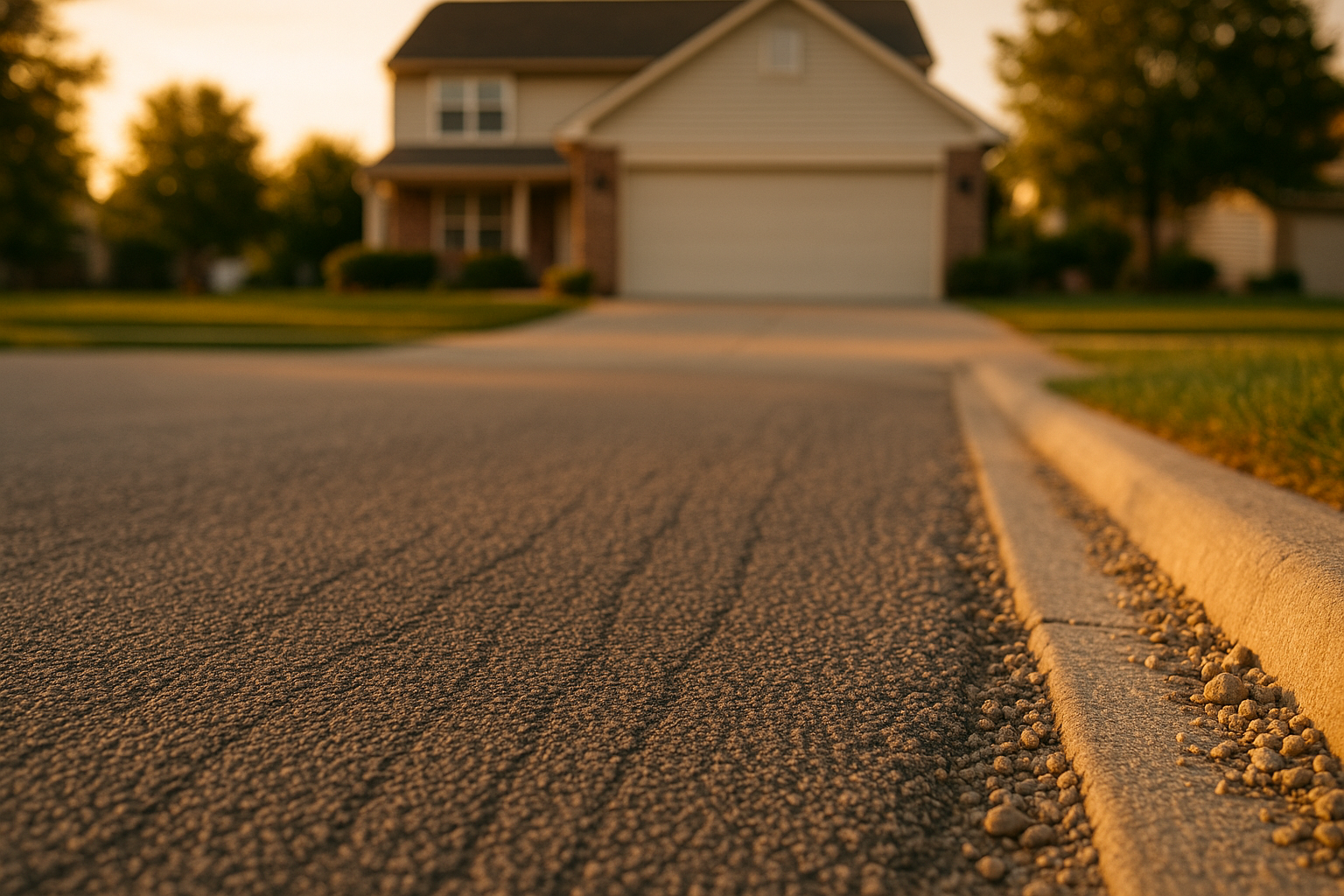
Short answer: absolutely. The petroleum in motor oil, transmission fluid, and even gasoline dissolves the asphalt cement. You’ll notice the surface getting soft, then raveling (those loose pebbles), and eventually a depression that holds water. In a freeze-thaw climate, that’s a recipe for disaster. So that stain isn’t just ugly—it’s eating your pavement alive.
First Things First: Act Fast
When you spot a fresh spill, grab some old rags or paper towels and blot up as much as you can. Don’t wipe it—that just spreads it. Then, reach for something absorbent. Cheap, unscented clay kitty litter works great (it’s a classic for a reason). Pour a thick layer over the stain, step on it gently to crush the granules into the asphalt pores, and let it sit at least 24 hours. The clay will pull a lot of the oil out. Sweep it up and toss it in the trash (check your local disposal rules—Indianapolis and Marion County don’t want it in storm drains or yard waste). If you’re dealing with a big leak in a commercial lot, you might need oil absorbent socks or pads from a hardware store. The faster you catch it, the easier it is to fully remove oil stains from asphalt.
How to Clean That Stain Yourself
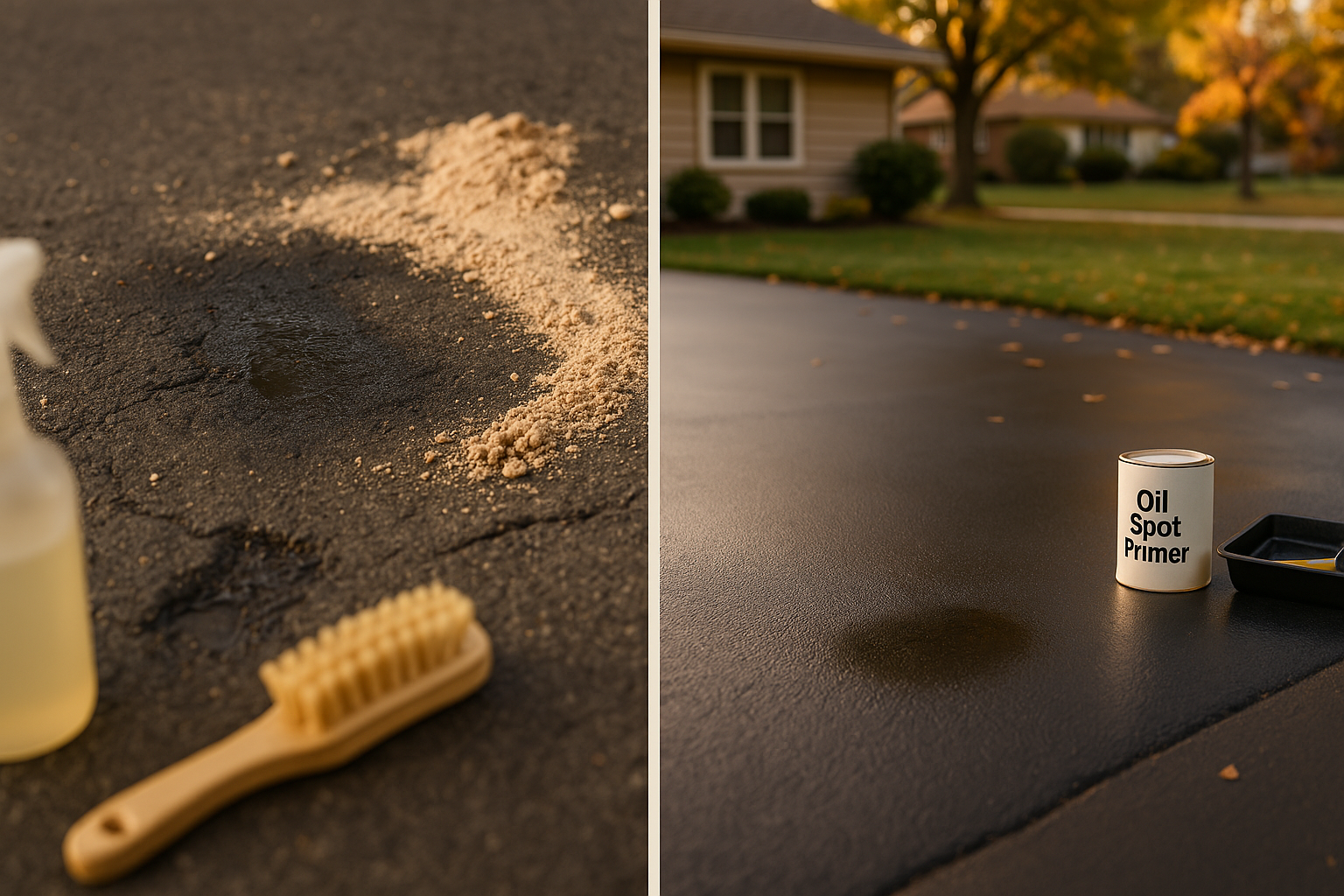
Okay, so you’ve blotted and absorbed. Now the stain looks lighter, but there’s still a dark shadow. Time to break out the cleaners. Skip the harsh stuff like gasoline or paint thinner—those can soften the asphalt even more. Instead, grab a biodegradable degreaser or an enzyme-based cleaner (these are the best degreaser for asphalt in my experience). The microbes in enzyme cleaners actually eat the petroleum, which is pretty neat and environmentally friendlier.
Here’s a step-by-step:
- Wet the stain with a little water so the cleaner doesn’t just sit on top.
- Spray or pour your cleaner onto the spot. Let it dwell for 10–15 minutes so it can break down the oil.
- Scrub with a stiff nylon brush—don’t use wire bristles, they’ll scratch the surface. Work in circles.
- Rinse with a hose or a low-pressure pressure washer. If you use a pressure washer, keep the PSI under 2,000 and use a fan tip, not a pinpoint. Hot water pressure washing asphalt works even better because heat melts the oil right out of the pores. But don’t get too aggressive—blasting at close range can peel up the aggregate. Test a hidden spot first.
- Repeat if it’s a deep stain. Some folks in Greenwood and Brownsburg have told me they had to do this three or four times on really old spots.
One big rule: catch your runoff. Don’t let soapy, oily water run into the street drain. Indianapolis has stormwater rules, so you might need to dam the area with old towels or an absorbent sock. That’s part of environmentally safe oil stain removal.
What About Old, Set-In Stains?
If your stain has been there for months (or years), the oil has probably soaked deep. You can still make it a lot better with repeated cleanings, but you might never get every trace out. That’s where a product called an oil spot primer for asphalt comes in. We’ll talk about that in a bit.
When to Call a Professional
Sometimes DIY just doesn’t cut it. If you’ve scrubbed and scrubbed and the stain keeps coming back, or if it’s a parking lot oil leak cleanup involving a dozen spots across a commercial property, it’s time to bring in the pros. At PavementPros, we see this a lot in Westfield and Zionsville HOAs where one car leaves a trail. We bring hot-water pressure washers, industrial degreasers, and enzyme cleaners that blast the oil out of the pores without harming the pavement. Plus, we know how to handle the wastewater legally so you don’t get fined.
A common objection: “Pressure washing will ruin my asphalt.” Not if you know what you’re doing. We use just enough heat and pressure to lift the oil, then follow up with an oil spot primer. Speaking of which…
Getting Ready for Sealcoating
You’ve cleaned the stain. Now you’re probably thinking about slapping down a coat of sealer to make it all disappear. Hold up. If you seal over oily residue, the sealer won’t bond. You’ll see peeling within months, and the stain will bleed right through. That’s why we always apply an oil spot primer first. It locks in any remaining contaminant and gives the sealer something to grip. It’s a must-do step for sealcoating after oil stains.
Now, what kind of sealer should you use? There’s a whole debate about coal tar vs asphalt emulsion oil resistance. Coal tar sealers resist fuel and oil way better, but they’ve got environmental restrictions in some areas. Asphalt emulsion is more eco-friendly, but it’s not as bulletproof against petrochemicals. For a driveway in Fishers, either might work. For a commercial lot where trucks drip diesel, coal tar (or a specialty hybrid) is often the smarter bet. We can help you decide based on your traffic and local rules.
Timing matters. In central Indiana, you want pavement temps above 50°F and dry weather—usually April through early October. Late fall cold snaps can ruin a fresh sealcoat job overnight. We once did a lot in Carmel right before a surprise frost, and let’s just say we learned to watch the forecast like a hawk.
Keeping Your Pavement in Shape
Prevention is way cheaper than repair. Here are a few habits that save thousands: - Use drip pans under parked cars, especially older ones. - Check your driveway or lot every month for new spots. Catch them early. - Consider a quarterly hot-water cleaning for commercial properties with high traffic. - Schedule sealcoating every 2-3 years (or annually for heavily used lots).
If you manage an HOA in Greenwood or Avon, having a maintenance plan keeps everyone happy and the pavement looking sharp. Many HOAs even require regular inspections for asphalt maintenance Indianapolis style.
The Bottom Line
Oil stains aren’t just cosmetic—they’re the start of serious pavement decay. With a little elbow grease, the right cleaners, and maybe some hot-water power washing, you can remove oil stains from asphalt and stop the damage in its tracks. But when the stains are deep, or you’re looking at a whole lot full of them, let a pro handle it.
If you’re in the Indianapolis area (Fishers, Carmel, Noblesville, Westfield, Zionsville, you name it), give PavementPros a shout. We’ll come out, take a look, and give you a no-pressure quote. Fill out the quick form at our quote page and we’ll help you get that pavement protected before another winter does its worst.
Ready for a free lot assessment?
We walk the lot, photograph the problems, and hand you a written plan — no pressure, no obligation.