Last spring, a friend who manages a strip mall in Greenwood got that phone call nobody wants. A customer had tripped in a pothole near the curb ramp, broke a wrist, and the next thing my friend knew, there was a claim letter in the mail. He had noticed the pothole a few weeks earlier but figured he’d get to it when the weather warmed up. Suddenly, that little dip wasn’t just an eyesore—it was a pothole liability.
He’s not alone. Over in Fishers, an HOA board president told me about a neighbor who blew two tires on a private road after a freeze-thaw cycle opened up a crater overnight. And a coffee shop owner in Broad Ripple once watched a delivery driver stumble on a crumbled patch right outside the back door. These stories all circle back to the same headache: when does a pothole become your problem, legally and financially?
Here’s the deal—if you manage or own property in Indianapolis or the donut counties, you’ve got a duty to keep the place reasonably safe for people who come onto it. That goes for tenants, customers, delivery folks, and even the mail carrier. Once you know about a hazard (or should have known), the clock starts ticking. Let’s walk through what that means and how to stay ahead of trouble.
What Is Pothole Liability in Indiana?
In plain language, Indiana premises liability for potholes means you have to exercise reasonable care to find and fix hazards in your parking lots and driveways. If someone gets hurt because you ignored a hole that’s been there for weeks, you could be on the hook. Courts look at a few things: was the defect obvious? Did you have a routine for checking the property? How fast did you act once you saw it?
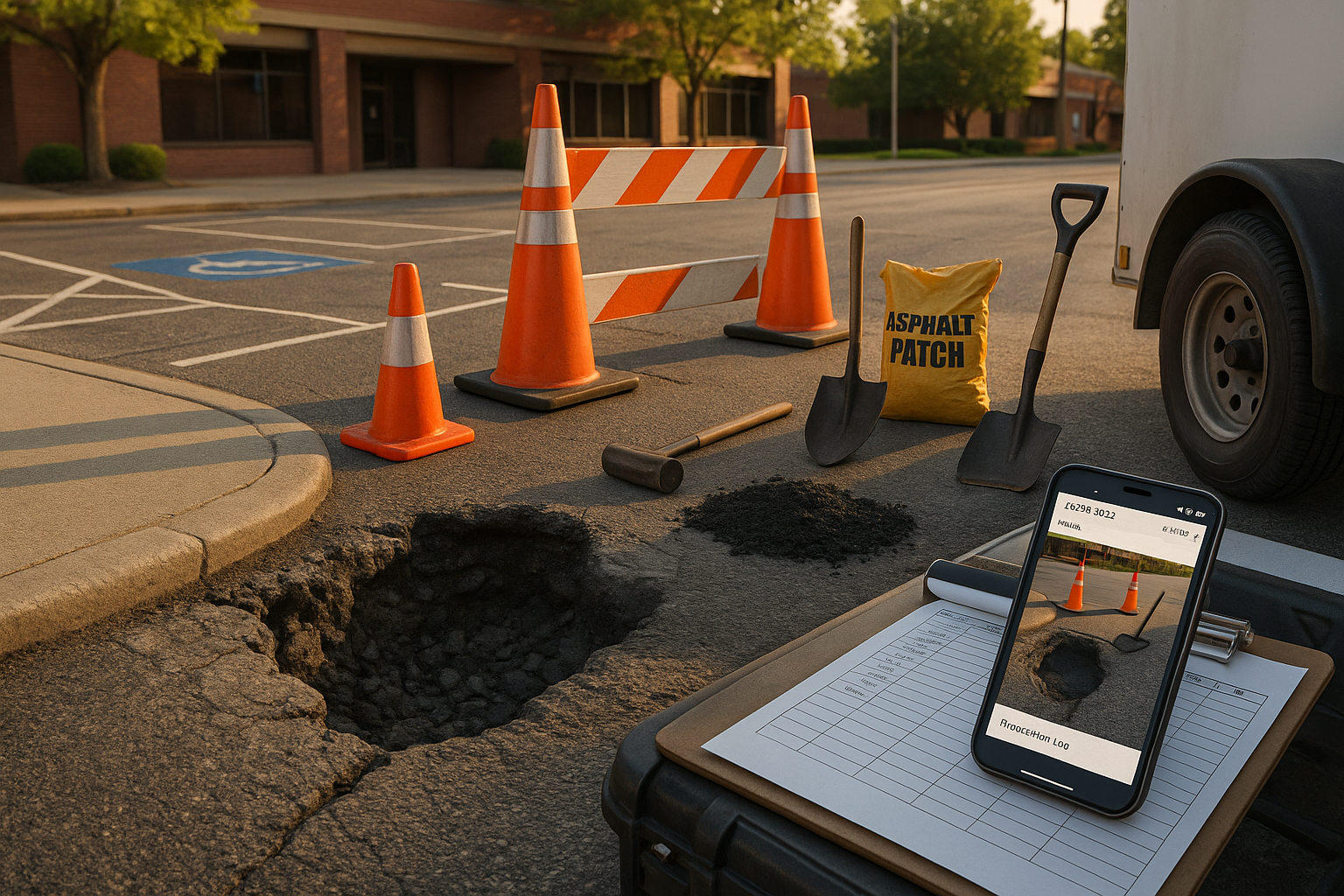
I talked to a facilities guy in Carmel who keeps a dated photo log on his phone. Every Monday, he walks the lot behind the office building. When he spots a crack spreading, he snaps a picture and jots down the condition. That habit saved his company a pile of grief after a slip-and-fall—the records showed they’d patched the area within 48 hours and had warning cones out the whole time. The claim didn’t stick.
What Courts Look At
They ask: did the owner know about the hole (or should a reasonable person have known during regular checks)? Was there time to fix it or at least put up a barricade? And did the victim have a legitimate reason to be there? If you’re ignoring cracks all winter and someone sprains an ankle in March, that’s hard to defend. If a pothole pops up during a sudden freeze-thaw and you’re on it the next day with a cold patch and cones, you’re in much better shape.
That’s why parking lot pothole liability isn’t just about big craters. Even a dip that grabs a grocery cart wheel can be enough. And if you’re wondering who is responsible for pothole damage Indiana style, the rule is simple: private property = your problem. The city handles public streets, but your lot and driveway are yours.
The Real Cost: Injuries, Damage, and ADA Exposure
A pothole trip-and-fall claim can run into tens of thousands—medical bills, lost wages, pain and suffering. Tire and rim damage claims stack up too, and they’re often easier for the vehicle owner to prove. But the less obvious risk is an ADA compliance issue.
If your lot has accessible routes and parking stalls, any abrupt level change over half an inch is a red flag. I’ve seen cases in Noblesville where a wheelchair user tipped forward because a pothole had formed right where the curb ramp meets the asphalt. That’s not just a repair bill; it’s a potential federal complaint. Our article on ADA compliance for parking lots goes deeper on those requirements.
When It’s More Than Just a Tire Buster
Business owner liability for potholes also includes the indirect costs: a customer who gets hurt probably won’t come back. They might leave a lousy review. Employees who feel unsafe might complain. And your insurance carrier? They’ll raise eyebrows if they see a pattern of claims tied to neglected pavement.
Your Step-by-Step Risk Reduction Playbook
You don’t need to be a lawyer to protect yourself. Just think like one a few minutes a week.
Document Everything (No, Really)
Keep simple inspection logs. Date, time, what you saw, what you did. A photo with a geotag on your phone is gold. When you hire a contractor for asphalt patching in Indianapolis, save the invoice and a before-and-after shot. If someone ever files a claim, you’ll show a pattern of diligence, not neglect.
Patch Now, Patch Right Later
Winter in Indianapolis is brutal on pavement. You can’t always get a hot mix plant open when a pothole blows up in February. That’s when you use a temporary cold patch to remove the immediate danger, throw up cones and a barricade, and circle back for a permanent hot mix repair when spring breaks. Just don’t consider the job done—cold patch is like a band-aid on a broken pipe. It stops the immediate bleeding but won’t last.
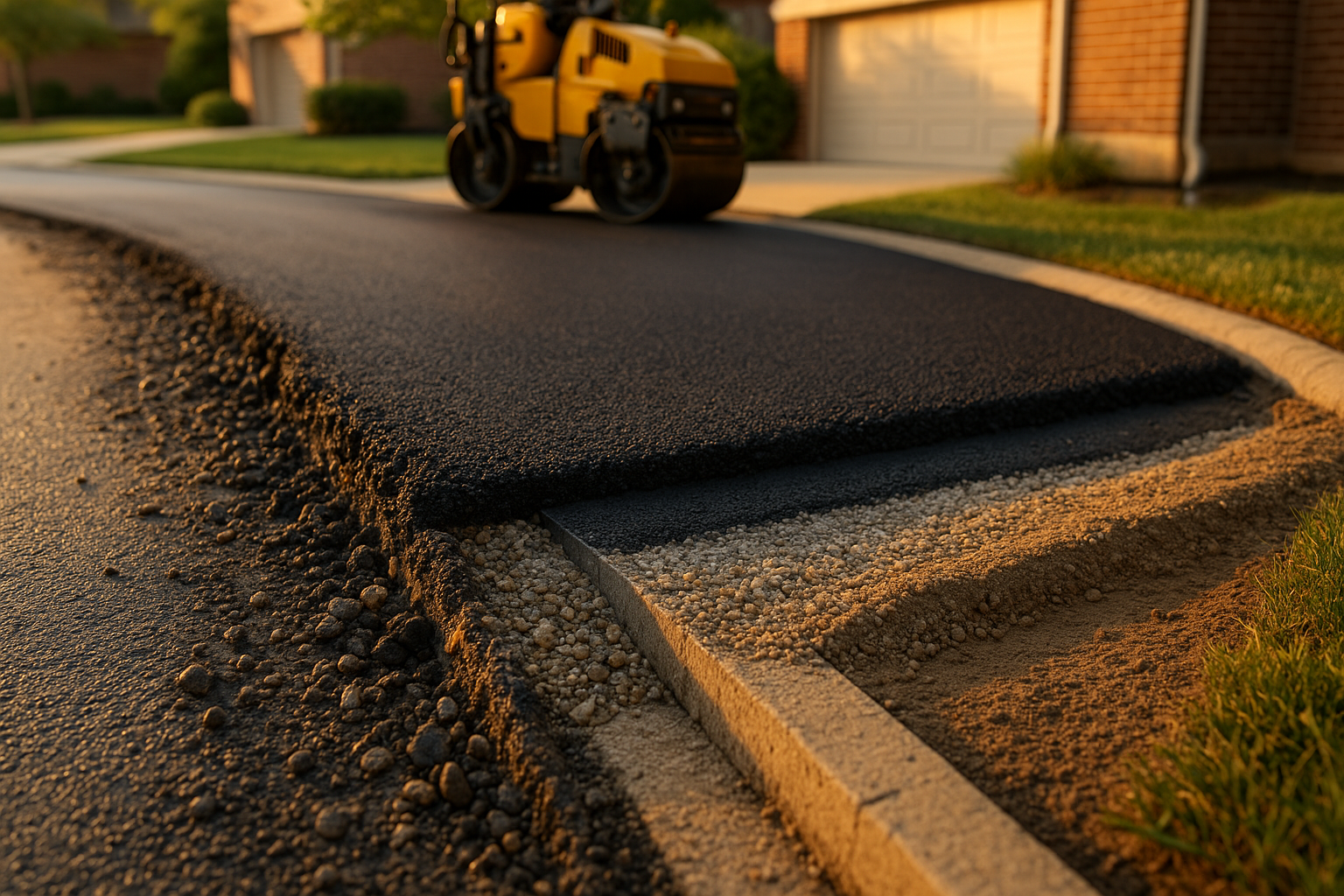
When the weather warms, proper permanent repairs make all the difference: square saw-cuts, dig out the failed base, compact in layers, add tack coat, and finish with hot mix asphalt. That’s the kind of work that actually survives our freeze-thaw swings. If you’d like to understand why Indiana’s climate destroys pavement so fast, we break it down in our post on freeze-thaw asphalt damage.
Fix the Why, Not Just the Hole
A pothole is a symptom. Maybe water is pooling because a downspout empties right onto the asphalt. Maybe the base has turned to mush from years of poor drainage. I’ve been out to properties in Avon where the soil—heavy clay—just holds moisture under the pavement, and every spring the same spots pop open. Fixing the drainage and addressing the cracked area around the hole prevents reruns. Crack sealing in the fall also helps keep water from sneaking under the surface all winter.
Seasonal Survival Guide for Indy Parking Lots
Here’s the rhythm I recommend for any property manager around the circle city:
- Fall: Do a thorough inspection. Seal cracks while they’re still hairline, and clean up any drainage issues. If your lot sees heavy fall leaf accumulation, get the blower out regularly—wet leaves speed up surface rot.
- Winter: Accept that all you can do is stabilize. Cold patch for tripping hazards, salt and sand for traction, and keep an eye on entry points where plow trucks scrape the edge. Mark any developing craters with cones so nobody sinks a foot into slush and surprises themselves.
- Spring: This is prime repair season. Book your hot-mix patches as soon as the asphalt plants fire up. Walk the lot after the first big rain to see where water stands—that’s your pothole forecast for next year.
- Summer: Plan larger resurfacing jobs or sealcoating. But remember: sealcoating protects a solid surface. It can’t fill a pothole. (I’ve heard folks say, “We’ll just sealcoat over it and call it good.” No. Just … no.)
What About the Money? Budgeting Smarter
You might be tight on cash—I get it. HOAs in Greenwood often have to vote on every extra dollar. But ignoring potholes only makes them cost more later. A single quality hot-mix patch might run a few hundred bucks when it’s small. Let it widen into a dinner-table-sized failure, and now you’re looking at a full-depth base repair or a chunk of resurfacing. Throw in a trip-and-fall claim, and those repair costs start looking tiny.
I suggest property managers keep a rolling pavement budget line. Pair patch work with crack sealing to stretch your dollars. If 30% of your lot is alligator-cracking, it’s time to talk about overlays, not just patching. And when you ask a contractor for a quote, make sure it’s a written scope: what material, what method, how long, warranty on the work. Vague proposals hide surprises.
Ready to Stop Worrying? Let’s Map It Out
You don’t have to learn asphalt science overnight. You just need someone who already knows it and can give you a clear plan. At PavementPros, we walk the property with you, flag every pothole and crack, and draw up a patch map with a timeline and a firm price. No upsells, no drama. We’ll even work evenings or Sundays if your lot can’t close during the week—we’ve done that in Broad Ripple, Fishers, and Zionsville plenty of times.
If you’re reading this because you’ve got that nagging feeling about a pothole you’ve been avoiding, just reach out and schedule an on-site assessment. We’ll hand you a written plan and quote, and you’ll sleep better knowing you’re covered before the next claim hits.
Remember: a little crack today is a lawsuit tomorrow if you ignore it. But you? You’re not going to ignore it.
Ready for a free lot assessment?
We walk the lot, photograph the problems, and hand you a written plan — no pressure, no obligation.