Last April, a property manager in Carmel called me, frustrated. He'd just watched a customer nearly trip over a chunk of broken asphalt near a faded handicap stall. "I thought we could wait until summer," he said. That's the thing about Indianapolis springs—one day it's sunny, the next it's raining, and all winter's damage is suddenly impossible to ignore. If your lot looks rough right now, you're not alone. Freeze-thaw cycles, road salt, and snowplows have been doing a number on pavement all over Marion County and the donut counties. So let's talk about a practical spring parking lot maintenance plan that gets your property safe and sharp without shutting you down.
Why Spring is Go-Time for Indy Lots
Here in Central Indiana, winter isn't gentle. Every time the temperature swings above and below freezing, water seeps into tiny cracks, expands, and pops chunks loose. Come March, those cracks are wider, potholes are deeper, and the lines marking spaces? They look like ghosts. Add in all the road salt and plow blades scraping across the surface, and it's no wonder so many lots need a refresh right now. Putting off repairs until summer just lets water keep wrecking things underneath. A solid spring asphalt maintenance checklist starts with assessing the damage early, while temperatures are cool enough for crack fillers to bond but warm enough for paint to cure. And honestly? The sooner you tackle it, the fewer angry tenant emails you'll get.
Your Spring Parking Lot Maintenance Checklist
You don't need a 50-page plan. Just work through these steps in order, and you'll cover the stuff that actually matters.
Sweep Before You Do Anything Else
First thing: get the debris off. Winter leaves behind grit, salt residue, and all the junk that plows push around. If you're in Indianapolis, parking lot sweeping Indianapolis is non‑negotiable before any repair or paint goes down. Pollen starts flying in April, too, which can mess with paint adhesion. A thorough sweep—or a power wash if there's a lot of caked‑on grime—preps the surface so everything else sticks properly.
Cracks and Potholes Come First
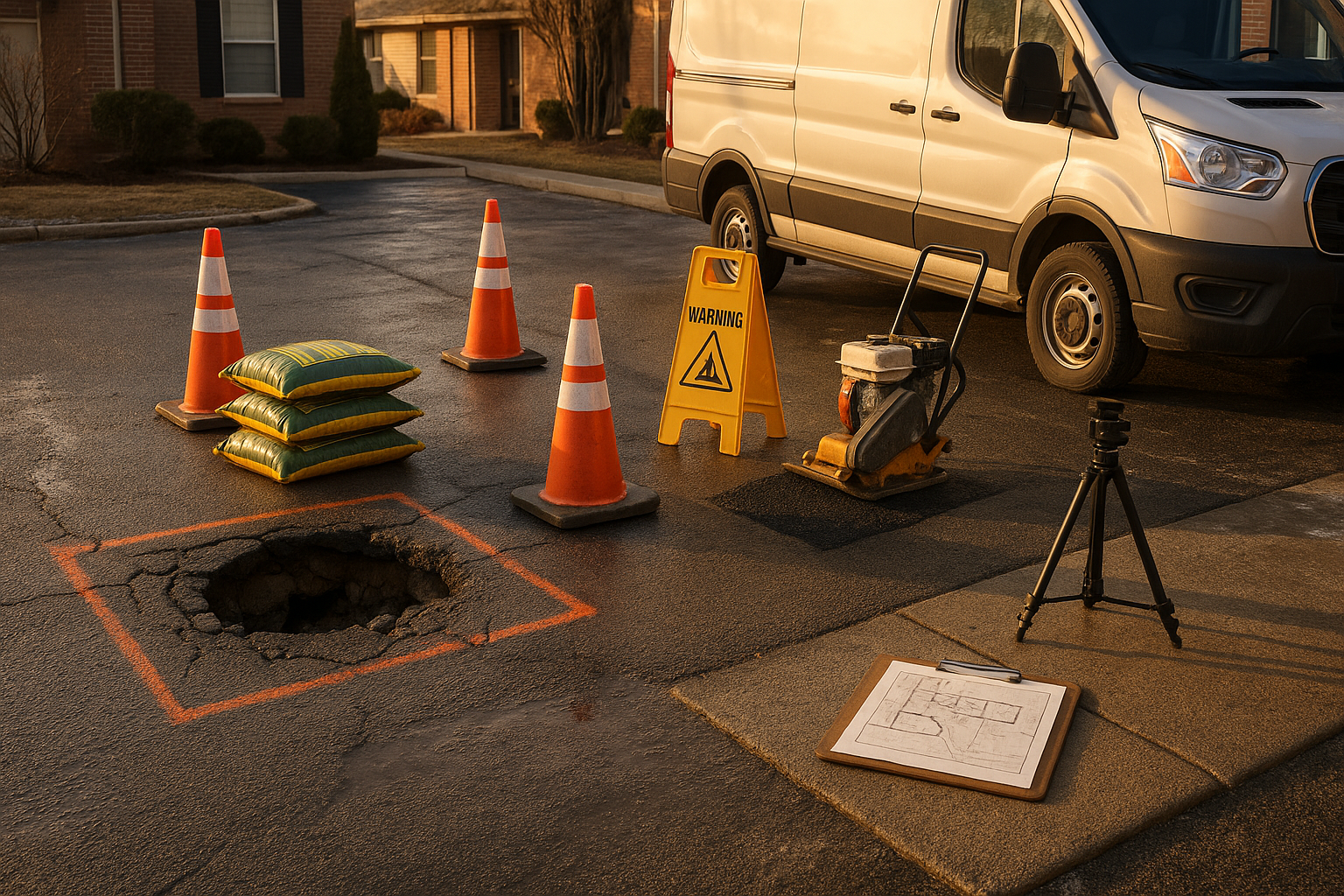
Walk the lot and flag every crack wider than a quarter inch. Those need to be filled with a hot‑pour rubberized sealer—not the cheap jug from a big‑box store. Proper asphalt crack sealing Indianapolis keeps water from getting under the slab and freezing next winter. For potholes, you're dealing with the classic spring thaw nightmare. A temporary cold patch might get you through a pinch, but a hot‑mix patch, cut out and compacted, is the only way to stop it from coming back. (Check out our post on cold patch vs hot mix for the real scoop.) If you've got a bunch of small alligator cracks, though, sealing alone won't cut it—that usually means the base is failing, and you'll need a deeper fix.
Then Timing Sealcoating and Striping
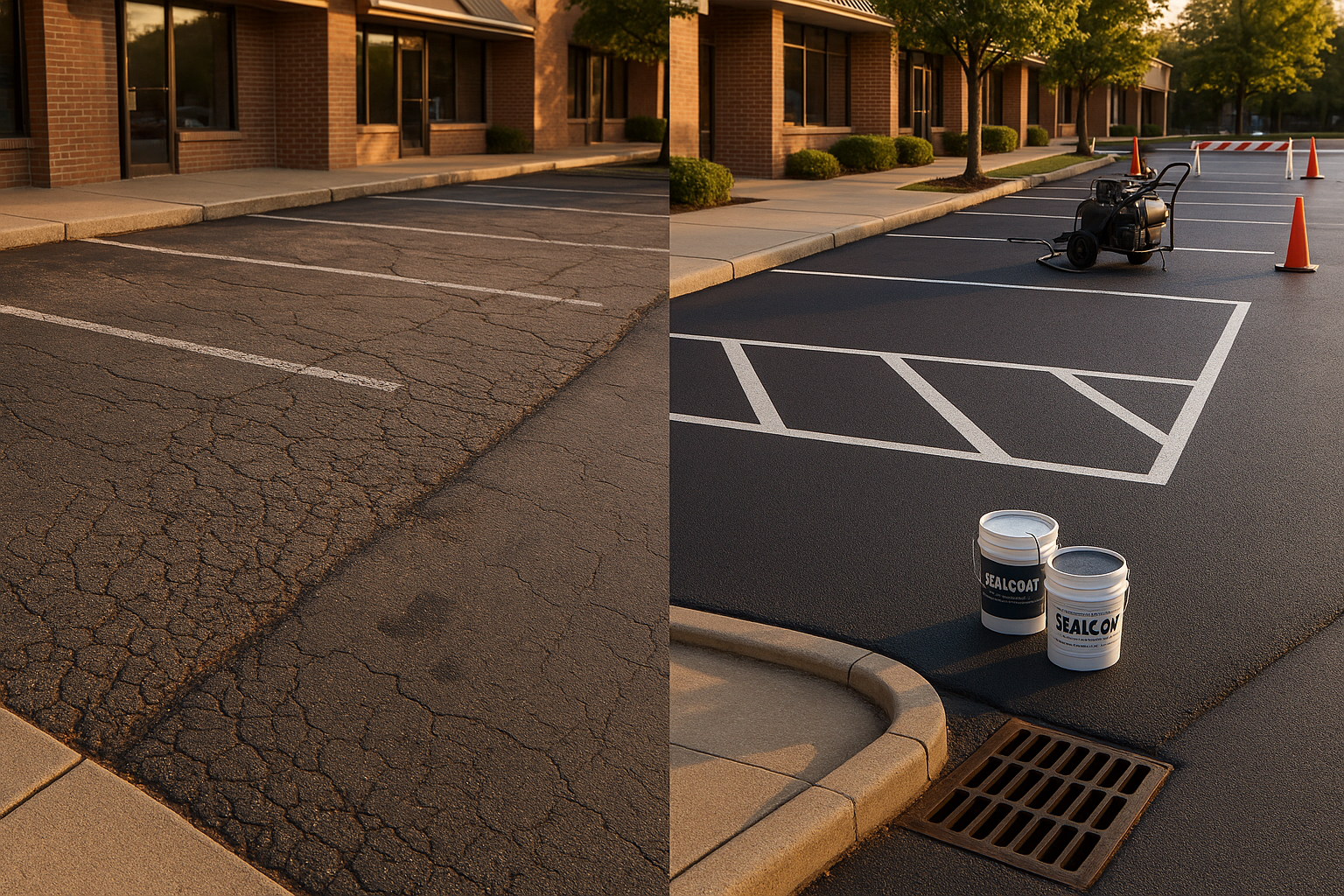
If your lot is due for sealcoat (most lots need it every 2–3 years), spring is actually a tight window. Sealcoat needs overnight temps above 50°F and dry pavement. So you're looking at late April or May, realistically. You always sealcoat before you paint—otherwise you're just painting over stuff that'll get covered up. Get your sealcoat and stripe schedule worked out so you're not doing one without the other. And remember, fresh sealcoat needs a day or two to cure before you can stripe over it. Rushing that is a quick way to waste money.
Don't Overlook ADA and Safety Markings
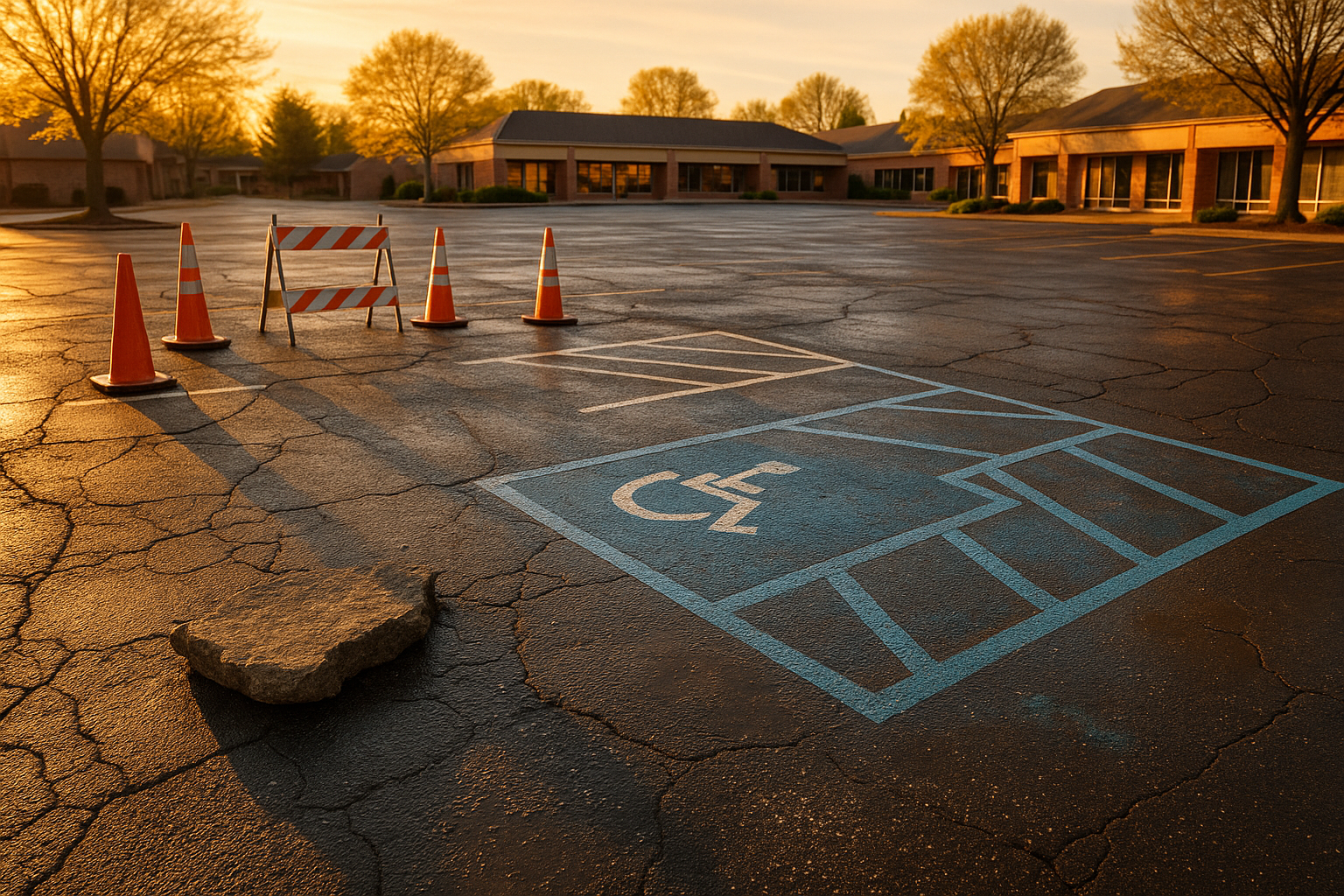
Lake a lot of properties, you might think your ADA stalls are fine because the sign is still there. But ADA parking compliance Indiana goes way beyond the sign. After winter, those blue markings and the access aisles often look like washed‑out denim. If contrast is low, you're inviting liability. During restriping, verify your stall count, make sure the access aisles are the right width, and check that the signs are mounted at the right height—60 inches to the bottom of the sign is the current rule. We also see bent or faded sign posts after plow season, so curb stop and signage replacement often gets tossed into the spring mix. Crosswalks, stop bars, and fire lane markings need to be bright, too. If a fire truck can't see where to line up, that's a problem.
Making the Striping Count: Layout and Materials
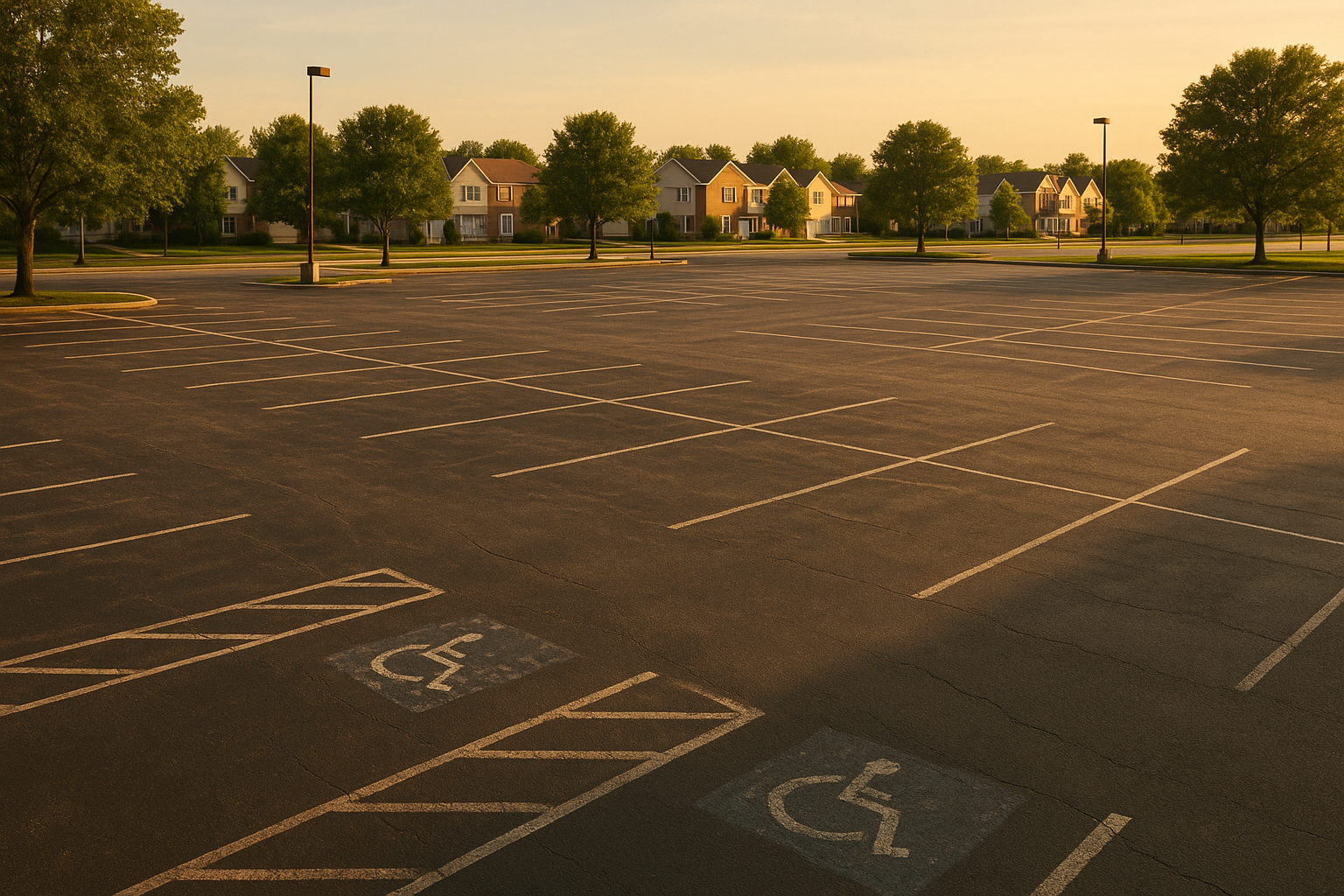
This is where you can actually improve the lot without repaving. A lot of older lots were striped when cars were smaller. Restriping for more spaces can sometimes squeeze in 5–10% more stalls just by re‑measuring and using a smarter layout. You can also add a van‑accessible ADA stall if you're short one, or clean up wonky drive lanes that cause near‑misses every day.
On the material side, don't just grab whatever paint is cheapest. In Indy, we use DOT‑grade waterborne traffic paint because it dries fast and stands up to the heat‑cold swing. Fast‑dry traffic paint lets you reopen lanes the same day in good conditions—big deal for busy lots. You'll hear "thermoplastic" thrown around, and yeah, it lasts longer, but it's thicker and needs more heat to apply. For most commercial lots, thermoplastic vs traffic paint comes down to budget and how long you plan to own the property. We usually recommend high‑solids traffic paint with reflective glass beads mixed in—it gives a bright line at night without the thermoplastic markup. And if you're hunting "line painting contractors near me," make sure they actually know how to shoot a straight line with consistent mil thickness. Wavy, thin paint looks bad and wears out fast.
Working Around Your Tenants' Schedule
No property manager wants to hear, "We're shutting down half your parking for a week." Realistically, spring parking lot maintenance can be phased. We'll cone off sections during slow hours, stripe early on a Saturday, or work evenings if you've got lights. For retail centers near I‑465, we often do the front entrance area at night and the back lot during the day. Churches are easy—just hit it midweek. Medical offices? Off‑hours and weekends are almost always the answer. The goal is to keep fire lanes and at least one drive aisle open at all times, which a good crew can map out. Communicate the schedule to tenants in advance, and put up clear signs so nobody's parked in a freshly striped zone.
Plan Now, Save Later
If you treat your lot reactively—call someone when a pothole opens up—you'll always spend more. Bundling your crack sealing, pothole repair, sealcoat (if needed), and restriping into a single spring project cuts mobilization costs. Even better, think 12–24 months ahead. After this spring refresh, pencil in a summer crack‑fill touch‑up and a fall sweeping. That kind of rhythm spreads out the spend and keeps major damage from blindsiding you. Some of our clients put together a simple Marion County pavement maintenance plan that rolls sealcoating one year, restriping the next, and so on. It's boring stuff, but it works.
If you're ready to stop crossing your fingers every time it rains, let's walk your lot together. We'll map out exactly what needs doing and when, so you get clear, durable lines before the summer rush. Request a free spring assessment and striping quote here.
Ready for a free lot assessment?
We walk the lot, photograph the problems, and hand you a written plan — no pressure, no obligation.