Last spring I got a call from a property manager in Plainfield. 'The trucks are chewing up our lot,' he said. Semis making deliveries from I-70 had carved two deep grooves right into the drive lane. After every rain, those grooves filled with water. Puddles sat there for days. His tenants complained about splashing. One driver nearly lost a dolly wheel in a pothole where a rut met a crack. That's asphalt rutting — not just an ugly surface thing, but a real safety and liability problem.
What is asphalt rutting? (And how is it different from shoving?)
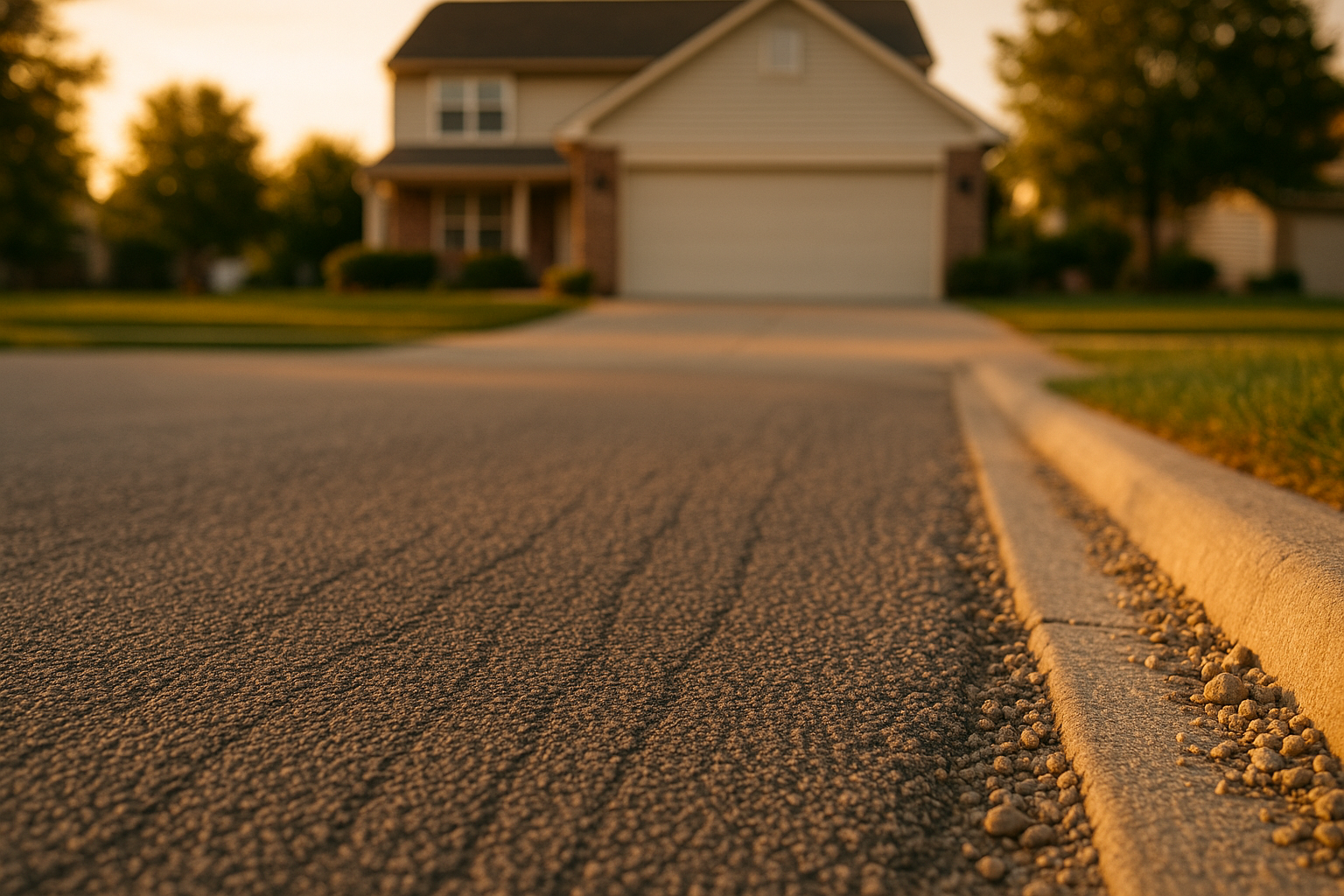
Asphalt rutting shows up as long depressions in the wheel paths of a parking lot or drive lane. They happen where vehicles travel over and over. Shoving is different: it's when the asphalt pushes sideways, making ridges or waves, often near stop signs or intersections. So rutting vs shoving: rutting is depressions, shoving is sideways displacement. Think of hot asphalt like thick peanut butter. A heavy truck wheel presses down and pushes the mix to the side. Over time, you get a groove. That groove holds water. Water softens the base. Then the rut gets deeper. It's a cycle.
Why Indianapolis lots get hit so hard
Our climate is rough. Hot summers push pavement temps over 140°F. That softens standard asphalt. Freeze-thaw winters crack it. Add heavy truck traffic into the mix — delivery vans, garbage trucks, semis near I-465 — and you've got a recipe for wheel path depressions. But it's not just weather. Many older lots in Carmel, Fishers, and Greenwood were built with softer mixes or not enough compaction. The subgrade under the asphalt might be silty clay, which holds water. If drainage isn't perfect, that soil turns to mush. Trucks then pump the base, causing subgrade failure and deeper rutting. I've seen lots where the ruts were only an inch deep in June and two inches by August.
How we figure out what's really going on
You can't just guess. We measure rut depth with a straightedge. If it's over half an inch in a straight line, you've got a problem. We check for ponding: after a rain, where does water sit? If it follows the ruts, drainage is failing. We might take a core sample to see if the rut is only in the top layer (surface rutting) or if the base is weak (structural rutting). Proof rolling is another trick: we drive a heavy roller over the area and watch for deflection or water pumping up through cracks. That tells us the subgrade can't support the loads. This step matters because the fix changes a lot depending on what we find.
Repair options: from simple to structural
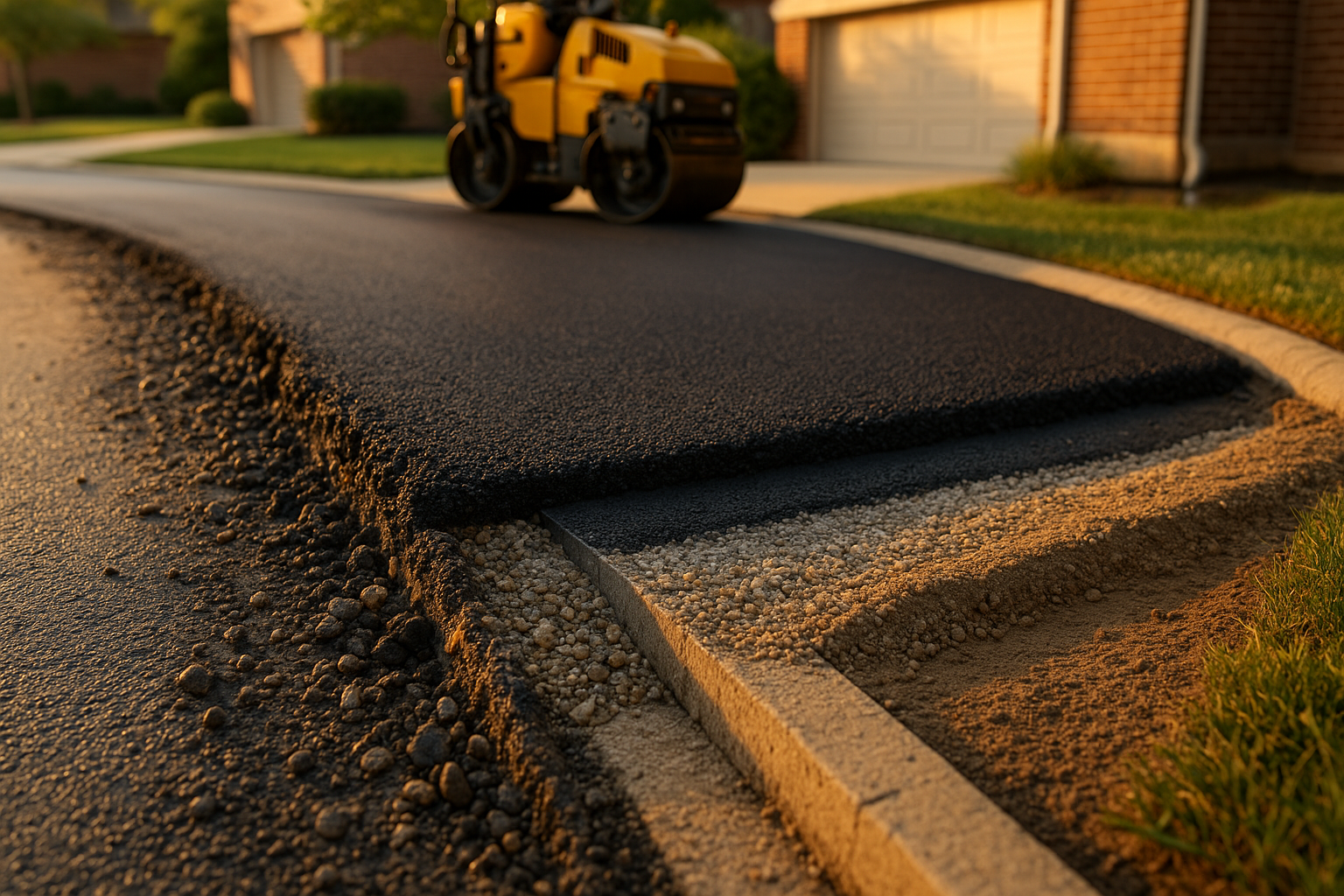
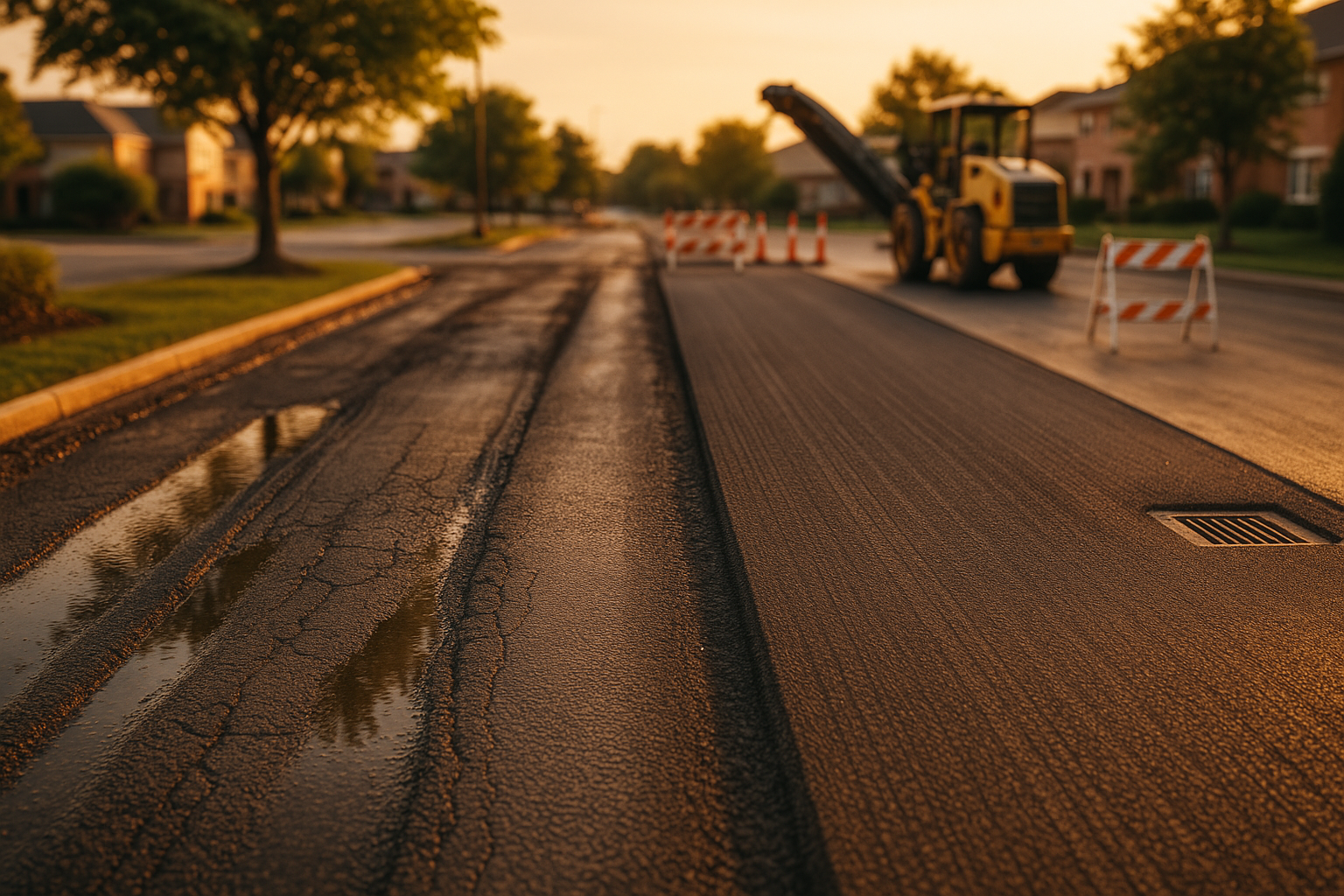
Here's the honest truth: a thin overlay over ruts is like putting a band-aid on a broken bone. It hides the problem for a year, then the ruts come back. If the rutting is shallow and isolated — maybe just a short stretch near a dumpster pad — we can do an infrared leveling or a mill and inlay. That's where we grind out the rutted strip and put down fresh asphalt. For widespread surface rutting, we do profile milling of the whole lane and then a polymer-modified overlay. But if core samples and proof rolling show subgrade failure, we have to go deeper. That means full-depth patching: cut out the bad section, undercut the soft soil, add stone, compact it, then pave. Sometimes we add a stabilization fabric or grid to lock the base together. It costs more up front, but it lasts decades instead of two summers. For more on milling and using recycled asphalt, check out our article on asphalt milling and RAP.
Mix design matters more than you think
Not all asphalt is the same. The stuff that held up for a light residential driveway won't survive a loading dock. For commercial lots in Indianapolis, we recommend Superpave rut-resistant mixes with angular aggregates and polymer-modified binders. The polymer helps the asphalt stay stiff in summer heat but flexible in winter. A higher PG grade (like PG 76-22) is made for our climate. SMA asphalt (stone matrix asphalt) is another good option for high-stress areas like bus stops or truck lanes. It has more stone-on-stone contact, so it resists rutting. The key is using the right mix for the traffic. Ask your contractor what mix they're bidding. If they can't tell you, that's a red flag.
Drainage is half the battle
You can fix the asphalt, but if water still ponds in the same spot, the subgrade will soften again. We always check the slope. Older lots in Indy were built pretty flat. Settlement over the years makes it worse. If a catch basin is set too high or clogged, water backs up into the wheel paths. Freeze-thaw cycles then crack everything apart. So part of any rutting repair should include regrading to positive slope and restoring catch basins. That might mean adjusting the frame, cleaning the pipe, or adding a new inlet. It's not glamorous, but it's what keeps the rut from returning. Read more about that in our piece on catch basin repair.
Keeping your business open during repairs
Nobody can afford to shut down a shopping center for two weeks. That's why phasing is so important. We work in sections. Maybe we mill and pave half the lot while customers use the other half. Then we switch. For busy places in Carmel or Fishers, we might do the heavy work at night or on Sundays. We provide a staging map so tenants know where to park. Communication is key. We've done jobs at medical offices in Zionsville where we kept the ambulance lane open the whole time. It takes planning, but it's doable. Check out our tips on phased parking lot paving plans.
Why a cheap overlay won't cut it (and how to get a real fix)
I get asked all the time: 'Why can't you just put another layer on top to hide the ruts?' Because the rut is a symptom of a deeper problem. If you don't fix the cause, you'll pay twice. A milling and overlay with proper base repair is the real deal. But even that needs the right mix and compaction. And what about warranties? Read our guide on warranty expectations for asphalt work. We don't hide behind fine print. We tell you up front what's covered and for how long — and we back it up with a clear scope of work.
Quick answers to common rutting questions
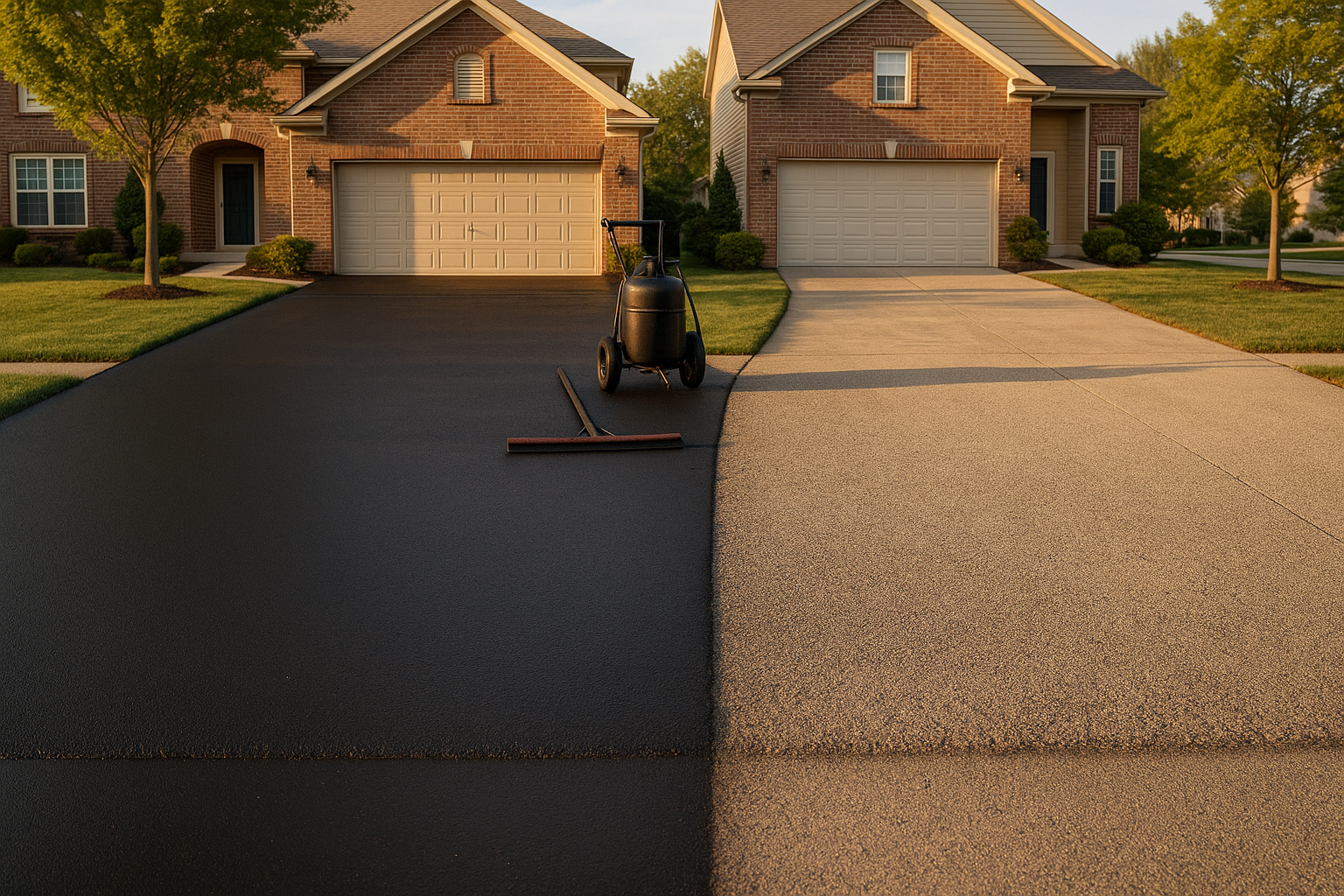
Can sealcoating fix rutting? No. Sealcoat is a protective film, not a structural repair. It can't fill a wheel path depression.
Is rutting dangerous? Yes. Standing water in ruts attracts mosquitoes, increases slip and fall risk, and can damage vehicles. At night, headlights glare off puddles and blind drivers.
Will using RAP make rutting worse? Not if the mix is designed right. RAP can be part of a rut-resistant mix when the binder is adjusted. It's not the culprit by itself.
What is the best asphalt rutting repair for a busy lot? It depends on depth and cause. Shallow surface ruts can be milled and inlaid. Structural ruts need full-depth patching. We'll tell you after we look.
And don't forget an asphalt maintenance plan: crack seal every year, sealcoat every few years, and keep drainage clear.
If you're seeing ruts in your lot, don't guess. Get a real assessment. We'll measure, take cores if needed, and give you a phased plan that keeps your business running. Request your quote here.
Ready for a free lot assessment?
We walk the lot, photograph the problems, and hand you a written plan — no pressure, no obligation.