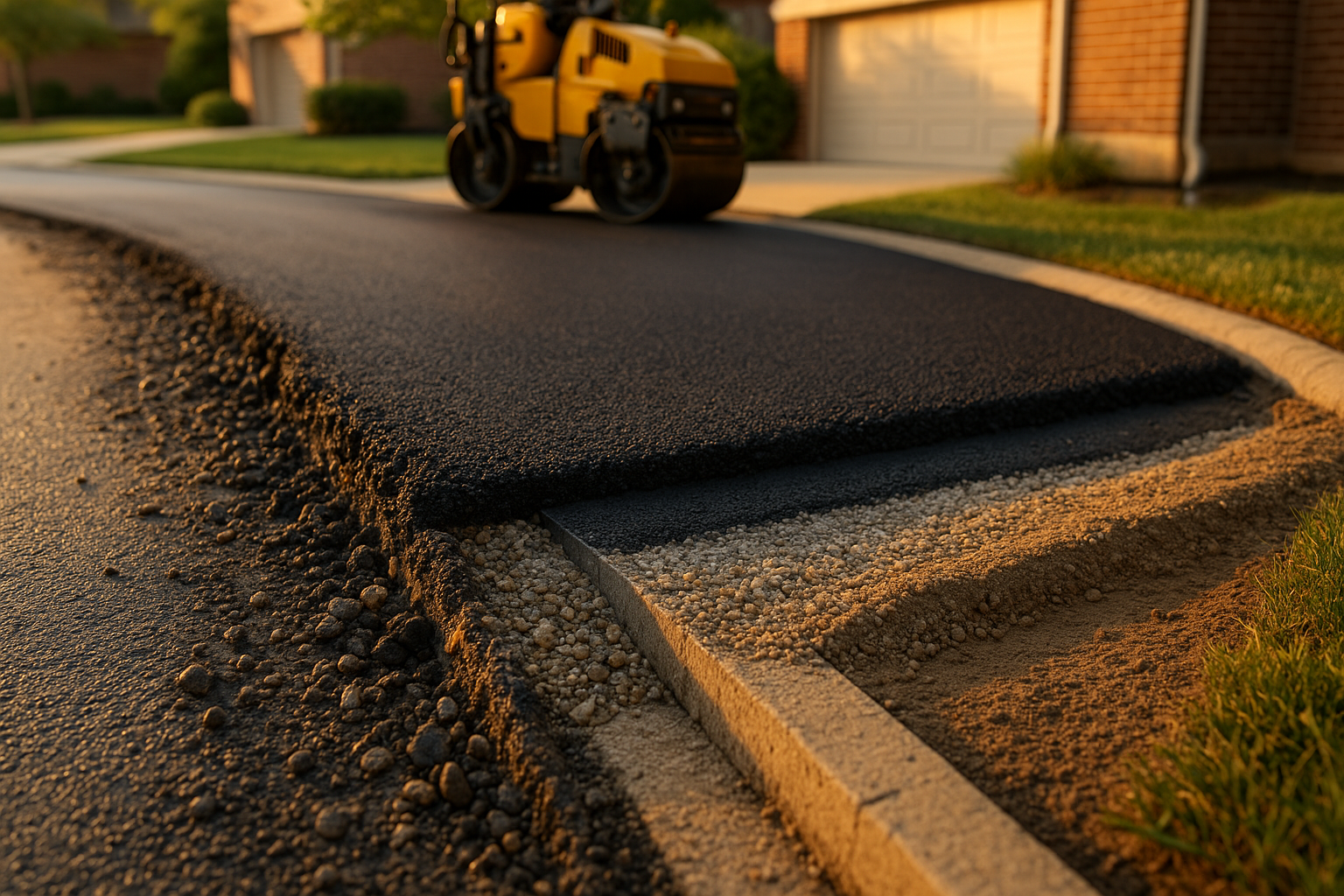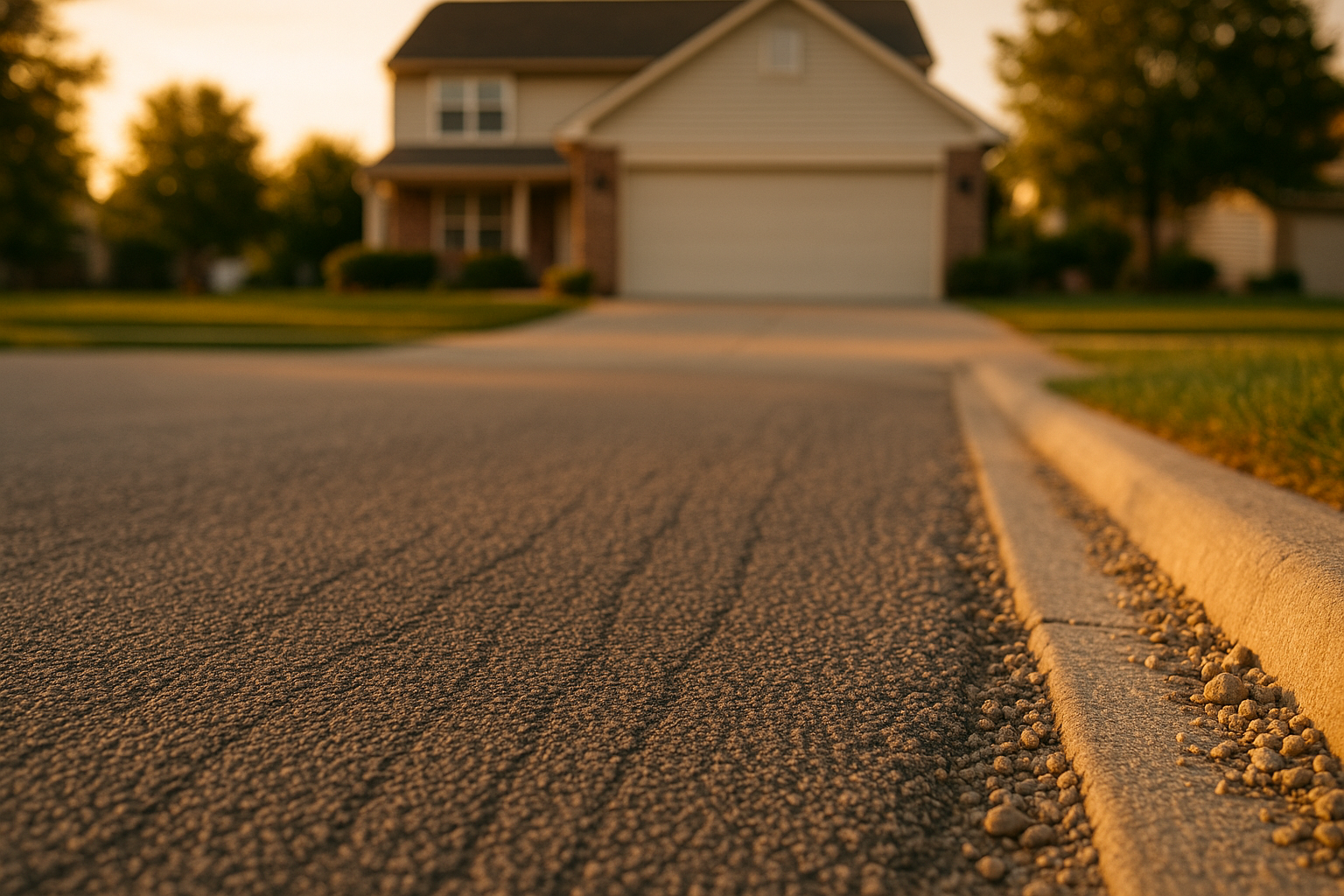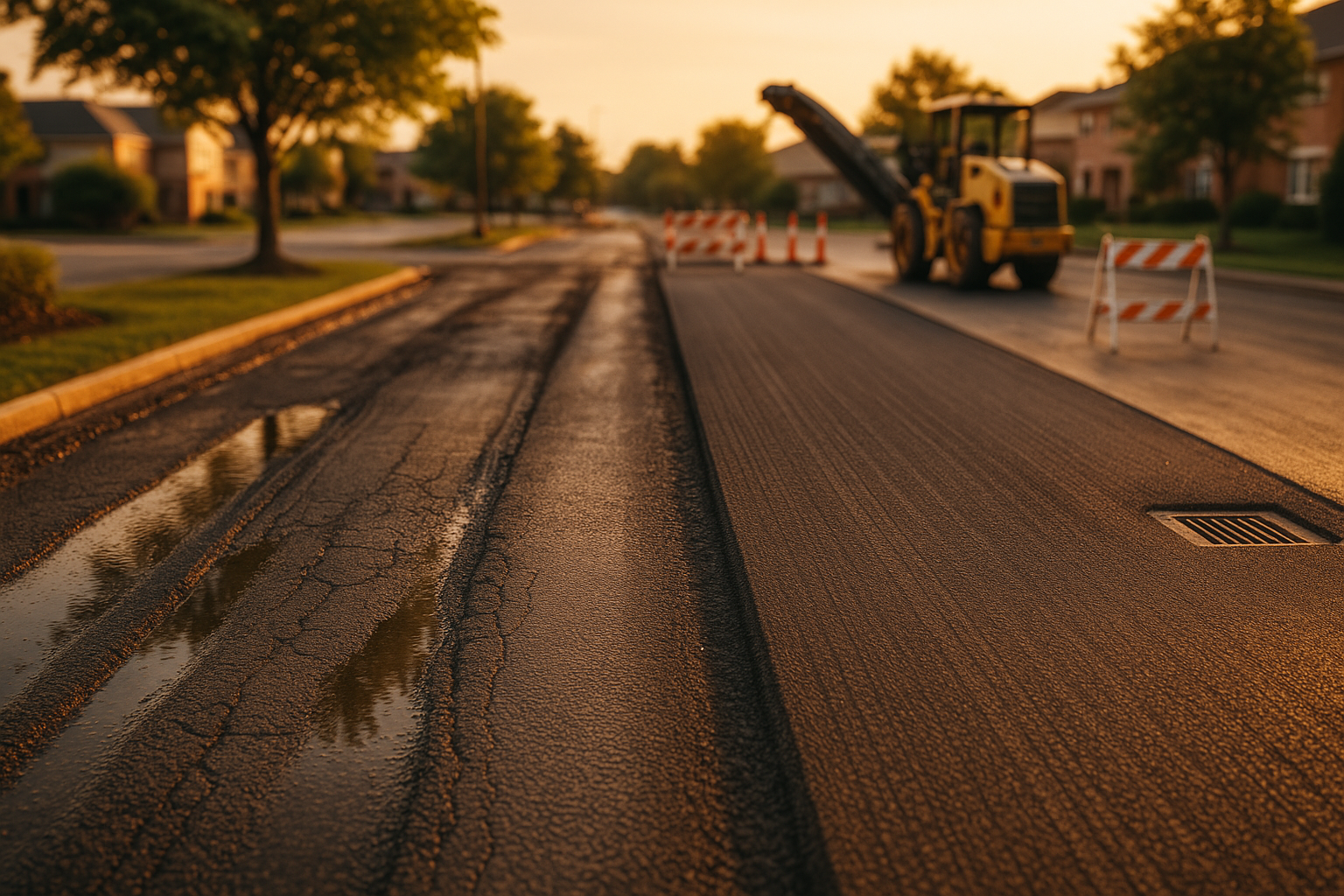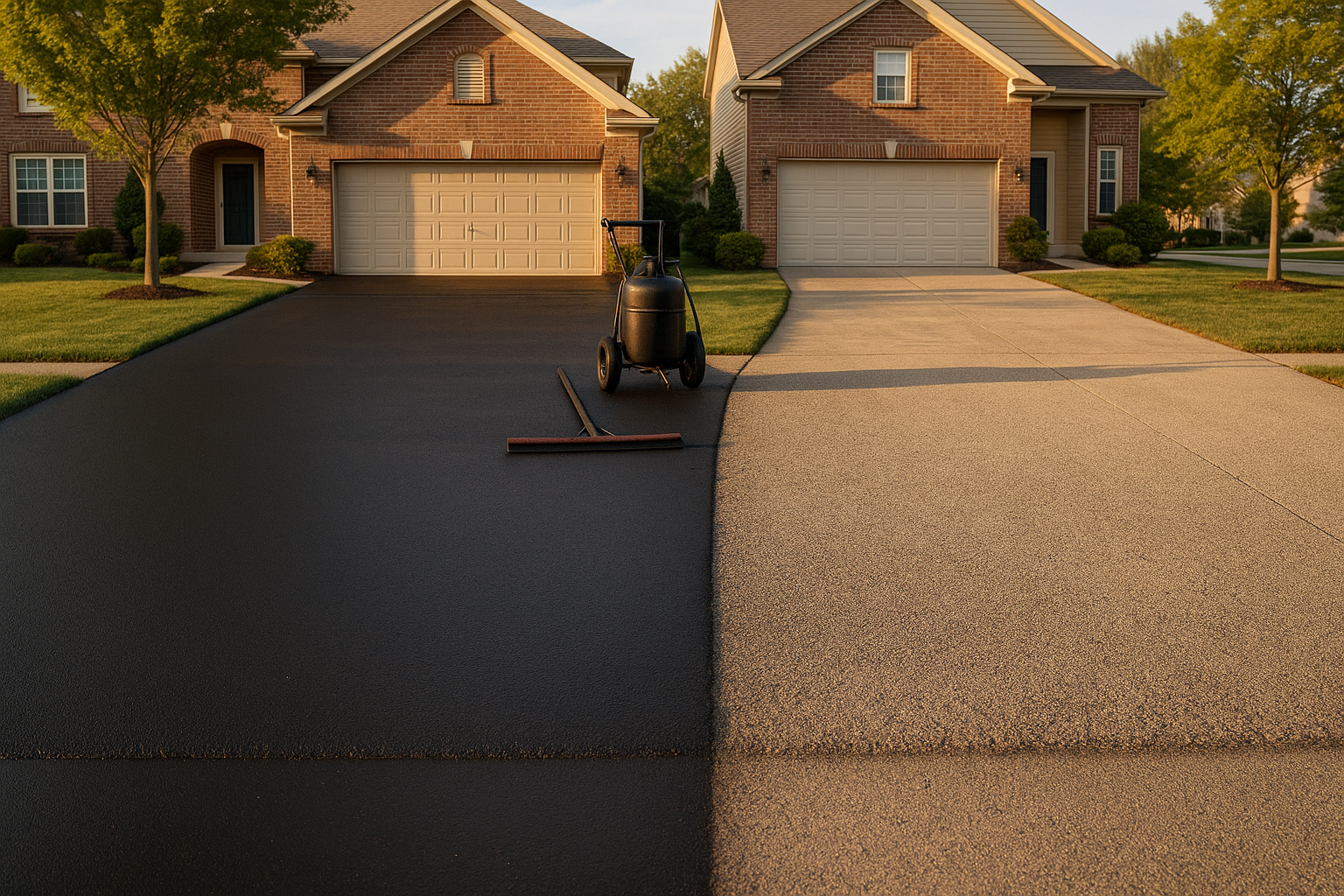
Last summer, I walked up to a buddy's house in Zionsville and noticed his driveway looked tired. Not just dirty – it was gray and rough. "It's ten years old," he shrugged. "That's just what happens." But I knew better. That wasn't age. It was asphalt oxidation.
What is Asphalt Oxidation, Anyway?
Think of asphalt like a fresh black rubber band. When you leave that rubber band out in the sun for months, it fades, dries out, and snaps. Asphalt does the same thing, only slower. Oxidation happens when oxygen and ultraviolet (UV) rays from the sun break down the sticky asphalt binder that holds all those little rocks together. That binder is what makes pavement black and flexible. Once it starts breaking down, the surface turns gray, gets brittle, and starts to crumble.
So what causes asphalt oxidation? Mostly the sun. UV damage to asphalt is the biggest driver. But oxygen in the air attacks the binder all the time, even on cloudy days. Add heat, humidity, and the nasty stuff we throw at our pavement in Indiana, and you've got a recipe for early aging.
Signs of Oxidized Asphalt (Not Just a Dirty Driveway)
Lots of homeowners mistake oxidation for dirt. But dirt washes off. Oxidized asphalt doesn't. Here's what to look for:
- Color fades from deep black to gray or even chalky white.
- Small hairline cracks start appearing, especially along edges and corners.
- The surface gets rough because the tiny stones (aggregate) start coming loose – that's asphalt raveling and brittleness.
- You see dust or fine grit tracking onto your garage floor or shoes.
- Edges of the driveway or parking lot break down first because they dry out fastest.
If you see these signs of oxidized asphalt, it's not too late to act. But waiting makes it worse.
Why Indianapolis Is Hard on Asphalt
We love our Indy summers, but they're brutal on pavement. Hot sunny days bake the asphalt, speeding up that UV-driven color fade. Then winter hits with its own game: constant freeze-thaw asphalt damage. Water seeps into tiny cracks, freezes, expands, and pops the cracks wider. Snowplows scrape the surface, and de-icing salt on asphalt adds a chemical beating. Before you know it, a driveway that looked fine in September is pitted and gray by April.
Carmel, Fishers, Greenwood, Brownsburg – same story all over the metro. The clay soils around here hold water, so if drainage isn't perfect, moisture sits against the pavement and makes oxidation worse. That's why a parking lot maintenance plan that includes sealcoating matters so much.
Sealcoating: The Best Defense Against Oxidation
Sealcoating is the single most effective way to prevent oxidation. It puts a protective wear layer over the asphalt binder, blocking UV rays, oxygen, and moisture. Think of it like sunscreen and a raincoat rolled into one.
Not all sealers are equal. Premium polymer modified asphalt sealer holds up better under Indianapolis freeze-thaw cycles than straight asphalt emulsion sealer. The polymer gives it flexibility, so it doesn't crack as easily when the ground heaves. A good sealcoat job also includes sand for traction and a neat edge line that looks sharp.
When to Sealcoat (and How Often)
If you've got new asphalt, don't seal it right away. Wait 6 to 12 months for the oils to cure and the pavement to stabilize. After that, plan on sealcoating every 2 to 3 years – maybe more often if you have heavy traffic or lots of sun exposure. A good Indianapolis sealcoating schedule accounts for our weather swings.
The best time to sealcoat in Indiana? Late spring or early fall. You want daytime temps consistently above 50°F and low rain chances. Sealcoating curing time is usually 24 to 48 hours for foot traffic, but give it longer before driving on it. Shaded areas under big trees – common in places like Westfield or Avon – take longer to cure. You can learn more about how weather affects paving work in this post.
What a Good Sealcoating Job Includes
A cheap sealcoat is just a spray and go. That doesn't fix oxidation. A proper job from PavementPros starts with a site walk. We look for cracks, oil spots, drainage issues, and edge damage. Then we do the prep:
- Thorough cleaning to remove dirt, debris, and loose aggregate.
- Oil spot primer asphalt treatment, because sealer won't stick to grease.
- Hot crack sealing to fill and stabilize existing cracks – especially driveway crack sealing Indianapolis homeowners need after winter.
- Two coat sealcoating, not one. The first coat fills pores, the second builds the protective film.
- Sand mixed in for grip, and clean edge work so it looks like a professional job.
If you're comparing bids, take a look at what to look for in a paving bid. Line items matter.
When Sealing Isn't Enough
Sealcoating prevents oxidation, but it can't reverse deep damage. If your asphalt has alligator cracking – those interconnected cracks that look like a gator's back – the base has likely failed. Sealcoating over that is like painting over rotted wood. You'll need patching or an overlay first.
Same goes for potholes, sunken areas, or serious raveling that has already eaten away the surface. A good contractor will tell you when sealing is too late. For larger properties, a phased parking lot paving plan might make sense to spread out the cost and reduce downtime.
Common Questions We Hear
"Isn't sealcoating just cosmetic if my asphalt is already gray?" No. It's preventative medicine. Once the binder is gone, water and oxygen get deeper and do more damage. Sealcoating now stops further oxidation and extends the pavement's life.
"Will it make the surface slick?" Not if you use the right mix. We add sand to the sealer, which actually improves traction for cars and pedestrians. You don't want a glossy ice rink.
"How long until I can drive on it?" Plan for 24 hours before light foot traffic and 48 to 72 hours before normal car traffic, depending on weather and shade.
"Does sealcoating last in Indiana winters?" Yes, if you use polymer-modified sealer and apply it correctly. The freeze-thaw cycles will still stress the pavement, but the sealer flexes instead of cracking, so moisture can't get in as easily.
"What if it rains the day of service?" We watch the forecast and won't apply if rain is likely within 24 hours. If a surprise shower hits, we'll assess the damage and touch up as needed.
"Will it stain my garage floor or landscaping?" We use edge guards and tape, and we're careful near drains and plants. You can learn about how we handle drainage and runoff in this article.
Let's Take a Look – No Pressure
If your driveway or parking lot is starting to look gray and rough, don't wait until the cracks get worse. PavementPros serves Indianapolis and the surrounding areas – Carmel, Fishers, Zionsville, Westfield, Noblesville, Greenwood, Brownsburg, Avon, Plainfield. We'll walk the site, document what we see, and give you a clear, written plan with scope and schedule. No pushy sales, no inflated promises.
Request your free on-site assessment here and we'll help you figure out the right asphalt preventative maintenance for your property.
Ready for a free lot assessment?
We walk the lot, photograph the problems, and hand you a written plan — no pressure, no obligation.