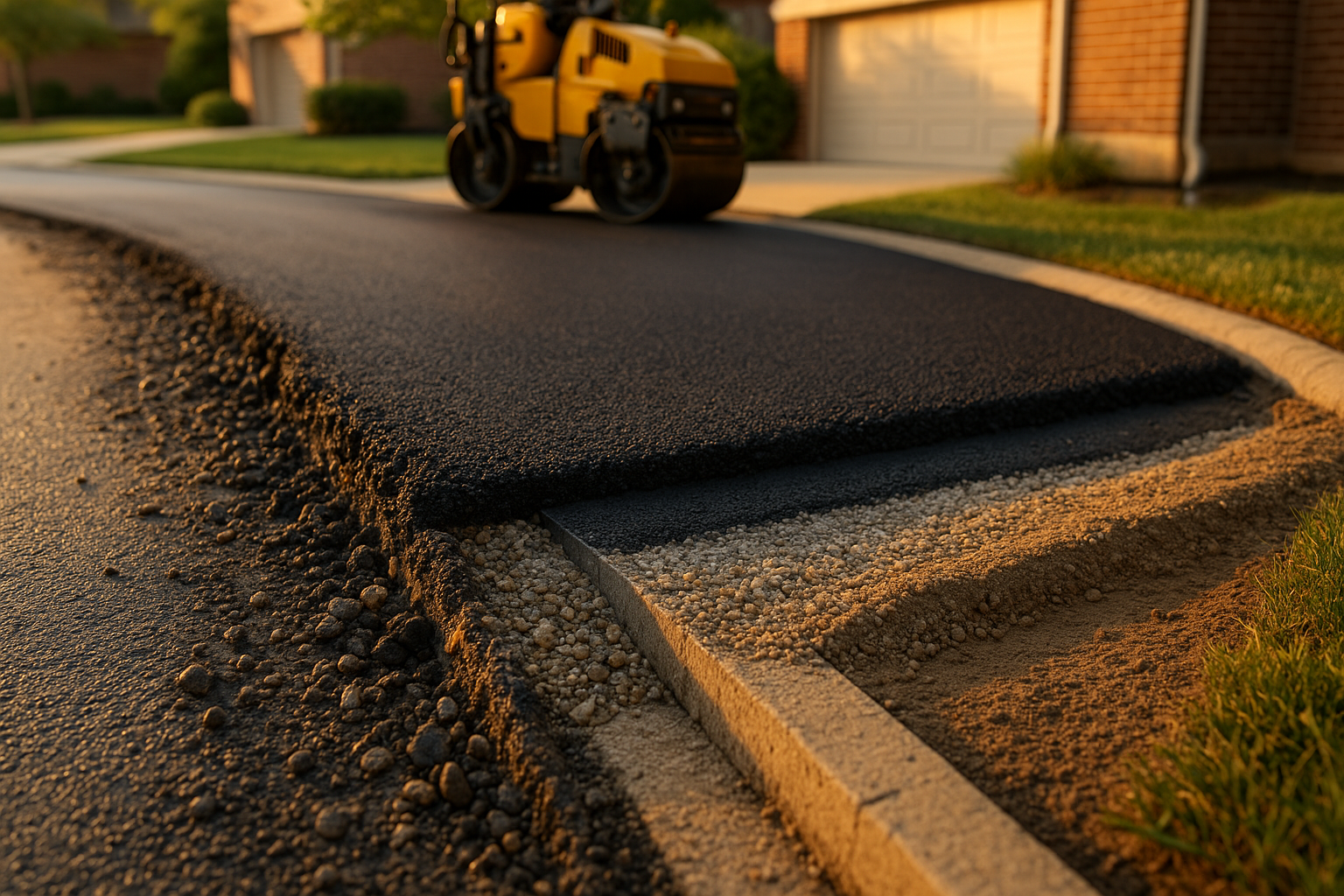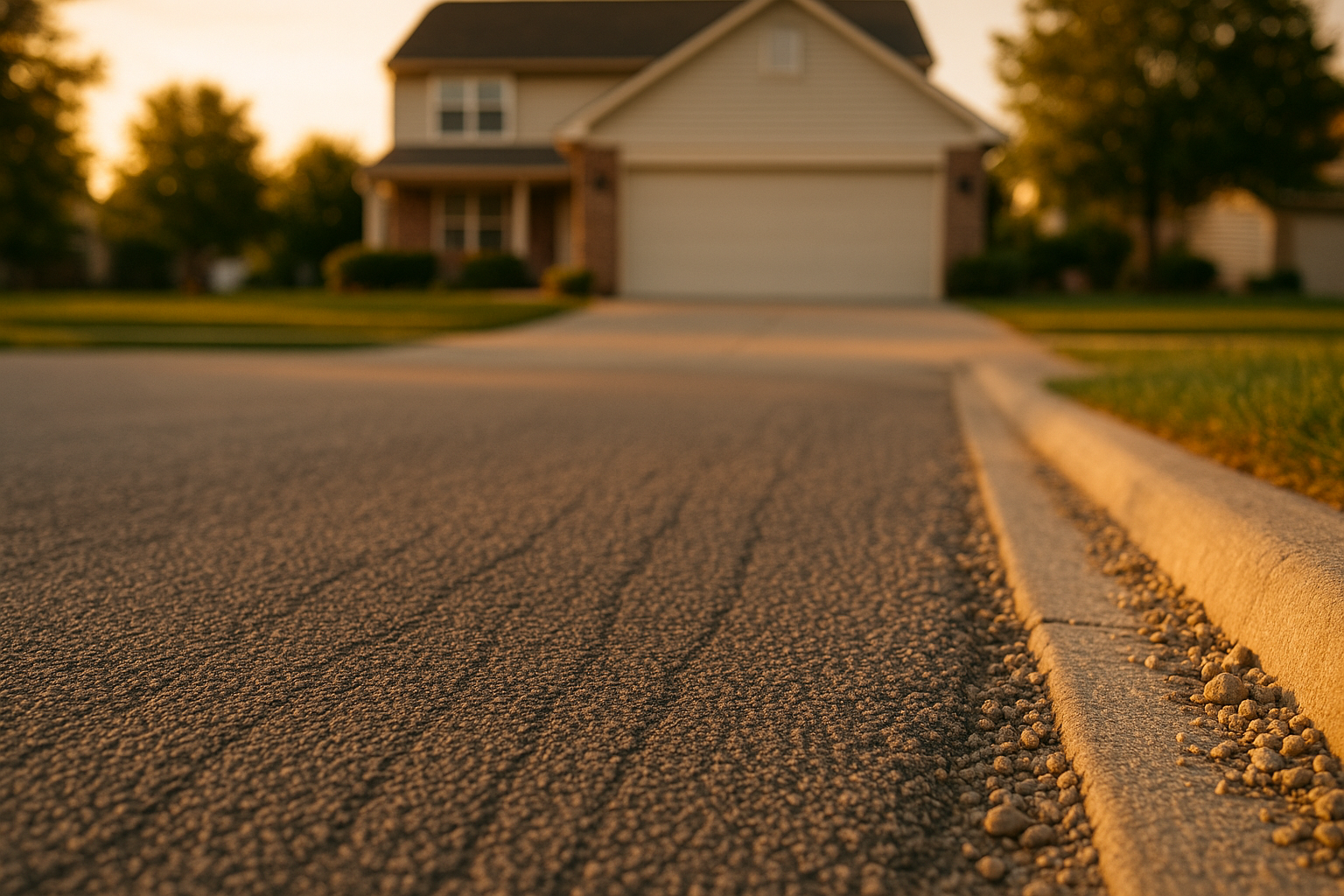
You know that annoying moment when you walk across your parking lot and your shoes crunch on loose gravel? Or you sweep the driveway and the broom keeps picking up tiny stones? That’s not normal wear and tear—that’s asphalt raveling. It’s when the top layer of your pavement starts shedding aggregate, leaving a rough, sandpapery surface. We’ve seen it happen on driveways in Zionsville, shopping center lots in Greenwood, and HOA streets in Avon. And the longer you wait, the worse it gets.
What Is Asphalt Raveling, Really?
Asphalt raveling is the progressive loss of the small rocks (aggregate) from the surface of the pavement. The asphalt binder—the sticky black glue that holds everything together—gets old, brittle, or just wasn’t mixed right. When that binder fails, the rocks start popping out. You’re left with a surface that feels like coarse sandpaper, and you’ll see loose stones in the gutters.
Don’t confuse it with cracking. Cracking shows up as distinct lines or alligator patterns. Raveling is a texture problem—the whole surface is eating itself away. It’s also different from rutting, where wheel paths sink into depressions (we wrote about that here). And it’s not delamination, where the top layer peels off in sheets from a poor bond. Raveling is slow, steady aggregate loss.
Why Your Lot Is Losing Its Grip
Here in Indianapolis, the weather does a number on asphalt. The main culprit is asphalt binder oxidation—the sun and air slowly break down the binder, making it hard and brittle. It’s like an old rubber band left in the sun. Once it can’t flex, the rocks break free. One of the biggest asphalt raveling causes we see is this oxidation.
Then we add freeze-thaw damage. Water gets into tiny voids, freezes, expands, and pops the aggregate loose. Spring rains make it worse by pushing water deeper. And if your property uses deicing salt, that’s another hit—salt accelerates binder breakdown. Snow plow asphalt damage is real too: a steel blade scraping across a soft surface can tear off rocks, especially near curbs where plows ride.
Poor compaction and mix design issues during construction also set you up for raveling years later. If the asphalt was laid too cold or not rolled enough, the binder never fully glued the rocks together. Sometimes we see asphalt stripping vs raveling confusion: stripping is when water gets between the binder and the aggregate from the bottom up, weakening the bond. Raveling is surface loss from the top down. Either way, moisture is the enemy.
And don't forget about tack coat and bonding problems if a patch or overlay was applied over an old surface without a good glue layer. That can cause the new layer to ravel off quickly.
How to Tell If It’s Raveling (and Not Something Else)
Grab a broom and do a simple test: sweep a one-foot square area with a stiff broom. If you collect more than a small pile of loose stones, you’ve got raveling. For texture, press a coin (like a nickel) into the surface. If it sinks in more than a tiny bit or you can wiggle rocks out with your fingers, that’s bad.
Compare the wheel paths where cars drive to the shoulders or parking stall lines. Raveling often starts where tires scrub and plows push. You’ll also see it near catch basins, valley gutters, and dumpster pads—anywhere water sits or trucks turn hard.
If you have a pavement condition index (PCI) number from a recent inspection, a drop of 20 points in one year often means raveling is active.
The Fix Menu: From Light Sanding to Full Replacement
The right repair depends on how deep the damage goes.
- Light raveling: If the surface is just starting to fuzz, a polymer-modified fog seal can lock down the remaining aggregate. It’s a thin spray that soaks into the surface and acts like glue. For a little more texture, a sand seal (sprayed asphalt emulsion with sand) also works.
- Localized moderate raveling: If you have patches where the raveling is worse—say around a drain or a high-turn area—infrared asphalt repair can heat and rework the existing asphalt, then recompact it. A skin patch with proper tack coat is another option. These fixes blend well and last a few years.
- Widespread moderate raveling: If the whole lot looks fuzzy, you might need a thin overlay (about 1 inch of new asphalt) or micro-surfacing. Micro-surfacing for parking lots is a cold-applied mix of polymer-modified emulsion and fine aggregate—it’s like a thick slurry that fills texture and protects. We don’t love it for very high-traffic truck areas, but it works for lighter lots.
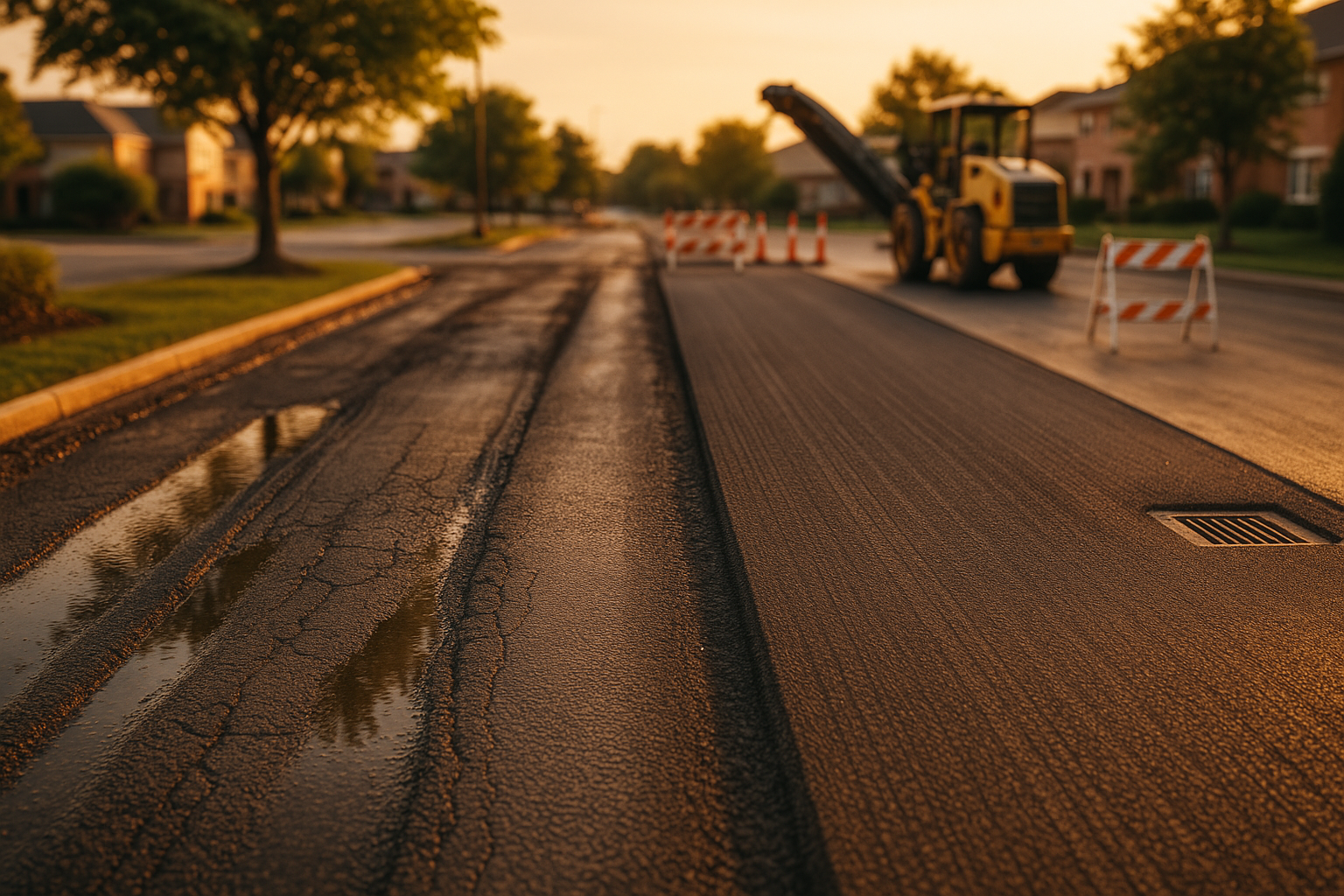
- Severe raveling: When aggregate loss is deep and potholes are forming, the only real fix is mill and pave. Grind off the top layer (you can recycle that material—see how milling and RAP work) and put down fresh asphalt. This resets the clock.
No matter which fix, don’t throw cold patch on it and call it a day. That’s a band-aid for a surface that needs surgery.
Sealcoating Won’t Save You (But It Helps Later)
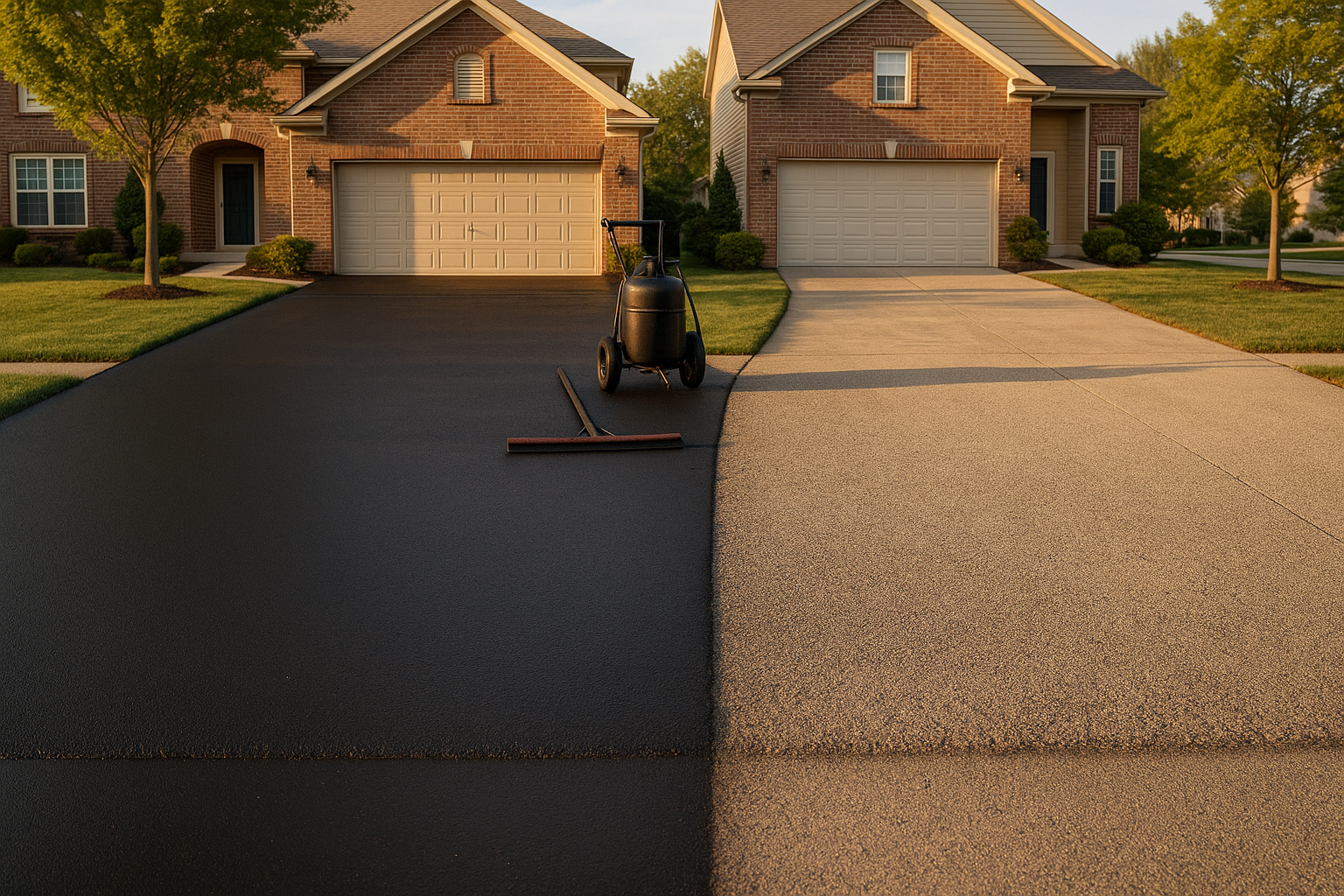
A lot of owners ask, 'Can’t I just sealcoat it to stop raveling?' Sealcoating is a protective coating, not a glue. If the surface is already losing aggregate, sealcoat will just peel off with the loose rocks. It might look better for a month, but it won’t fix the bond. Think of it like painting over rust—you have to treat the rust first.
Once you’ve properly repaired the raveling (with a fog seal, overlay, whatever), then a good sealcoat program makes sense to protect the new surface from oxidation and moisture. But it won’t resurrect a failing lot.
Timing and Weather: Don’t Fight the Indiana Calendar
We’re in a climate where you can’t pave when it’s freezing. The best window for raveling repairs in Indianapolis is typically late spring through early fall, when air and pavement temps are at least 50°F and rising, and the pavement is dry. Fog seals and sand seals need a few hours of dry weather to cure. Infrared patching can be done in slightly cooler temps if the sun is out. Thin overlays and mill-and-pave need a solid stretch of good weather—no rain for a couple of days after.
Check out our guide on asphalt paving weather limits for more details. And if you need to keep your parking lot open during repairs, consider phased work—closing a section at a time, using cones and signage, and scheduling during off-peak hours. That’s common for retail centers along 86th Street or offices in Fishers.
Budgeting Without the Surprises
When you’re comparing bids for raveling repair, make sure everyone is pricing the same scope. Ask for line items: sweeping and prep, tack coat, patch material (tonnage), overlay thickness, striping. A vague 'fix raveling' quote is a red flag. This article on evaluating paving bids breaks down what to look for.
For HOAs and commercial properties, think about pavement preservation as a long-term strategy. Spending a few thousand on a fog seal now can delay a $50,000 mill-and-pave by five years. That’s real money saved.
As a general contractor and asphalt contractor, we see a lot of bids missing those details. Don't let that happen to you.
After the Fix: Keep It From Coming Back
Once your lot is repaired, you need to change a few habits. In winter, use plow shoes or adjust blade height so you’re not scraping the surface. Go easy on deicing salt—use sand for traction instead. Sweep the lot regularly, especially in fall when leaves and grit fill the surface voids (that’s part of asphalt sweeping and prep). And get a simple asphalt maintenance plan: crack seal every couple years, sealcoat every 3-5 years, and fix small spots before they spread.
When It’s Time to Say Goodbye (and Replace)
If raveling covers most of the lot, you’re getting potholes every spring, and you can see base failures (soft spots, alligator cracking), then patchwork is throwing money away. A full mill and pave with base corrections and improved drainage might cost more up front but saves you from repeated repairs. And you can often recycle the old asphalt through RAP, which is better for the budget and the environment.
If your parking lot or driveway is shedding aggregate, don’t guess. We can come out, do a quick on-site assessment, and give you a clear, line-item plan with options that fit your budget. No pressure, just straight talk. PavementPros is a local general contractor and asphalt contractor serving Indianapolis, Carmel, Fishers, Zionsville, Westfield, Noblesville, Greenwood, Brownsburg, Avon, and Plainfield. Get a quote here.
Ready for a free lot assessment?
We walk the lot, photograph the problems, and hand you a written plan — no pressure, no obligation.