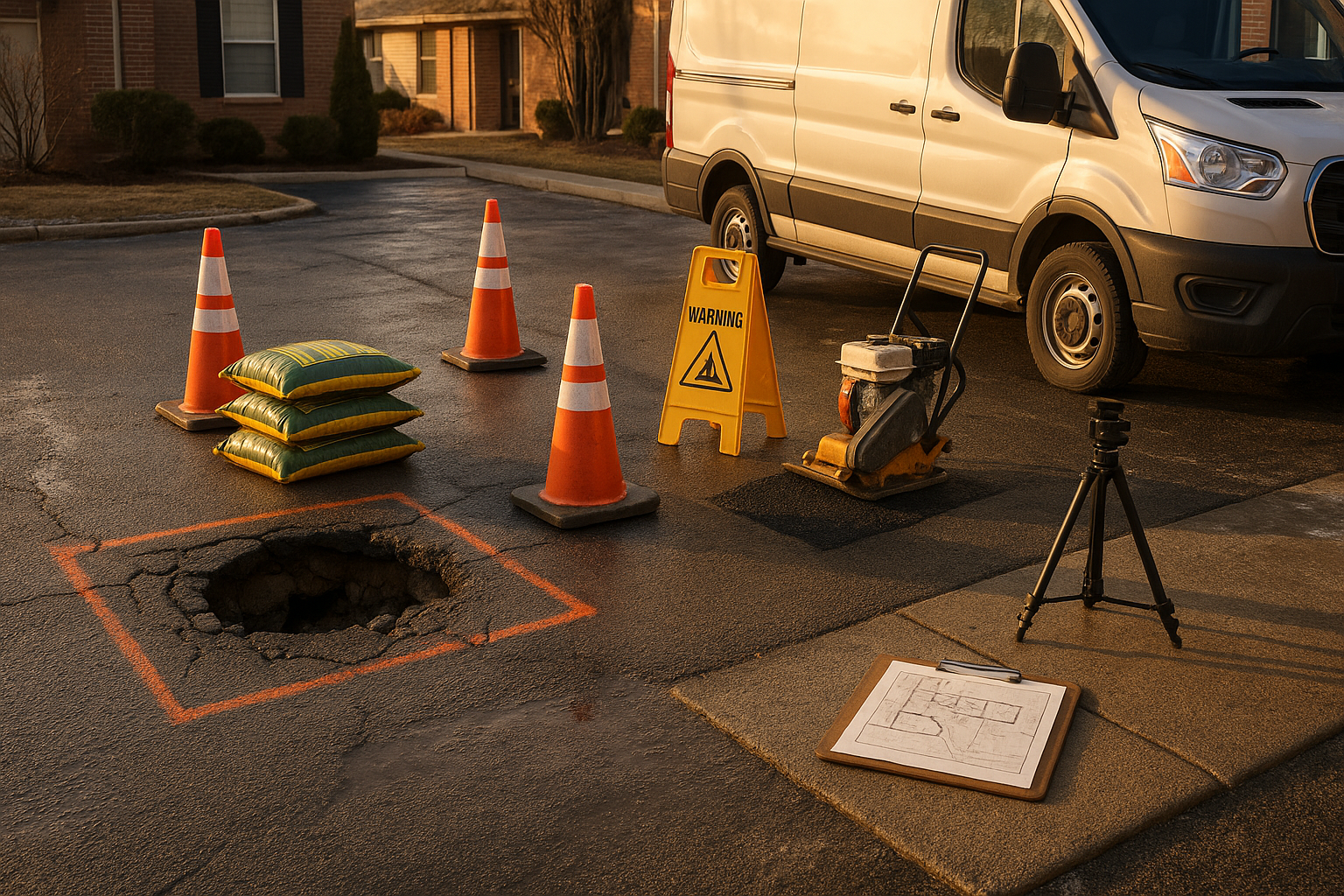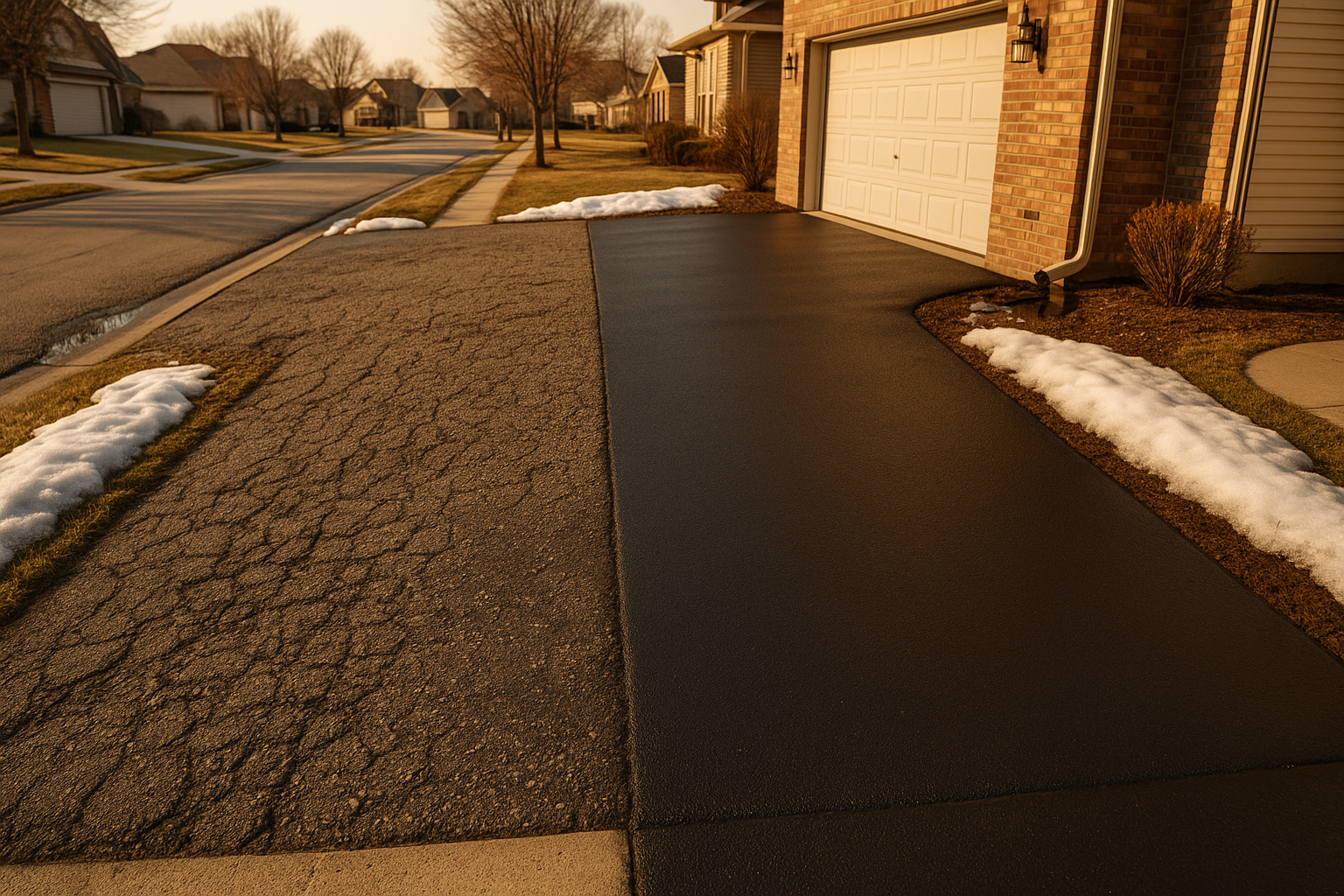
My neighbor in Carmel texted me last March with a photo of her asphalt driveway. Little pockmarks were everywhere, like someone had taken an ice pick to it. She thought salt doesn't hurt asphalt—only concrete. But by the time spring rolled around, her driveway looked worse than the city street out front. She'd spent all winter throwing down rock salt every time it snowed, and now she was looking at a $2,400 resurfacing job. The truth? Salt didn't melt her driveway. It just set up the conditions for winter to chew it up from the inside.
The Real Problem: Freeze-Thaw Cycles, Not Chemical Melting
Here's the thing that gets lost in the deicer debate: deicers don't actually dissolve asphalt. Concrete can have a chemical reaction with some deicers, but asphalt is petroleum-based, so it's mostly unreactive. The real damage comes from water. Deicers lower the freezing point of water, which means snow and ice melt into a brine that stays liquid even when the air temperature drops below 32°F. That brine seeps into every tiny crack, hairline fracture, and edge joint in your asphalt.
Then the temperature drops a little more. The brine refreezes. Water expands when it freezes, by about 9%. That expansion pushes against the asphalt from the inside, widening those cracks, popping off aggregate on the surface (that's raveling), and eventually leading to potholes. Central Indiana winters give us that exact freeze-thaw cycle over and over—sometimes three or four times in a single week. So when people ask, "does rock salt damage asphalt?" the honest answer is no, not directly. But rock salt keeps water in contact with the pavement longer and in more freeze-thaw cycles, and that absolutely leads to deicer damage asphalt over time.
Which Deicer Should You Use on Indianapolis Asphalt?
Not all deicers are equal. Some are worse for asphalt than others, and some are just too expensive for most driveways and small lots. Here's the quick rundown:
- Sodium chloride (rock salt): Cheap and works down to about 15°F. But it leaves behind a salt brine that keeps the pavement wet, and that brine gets tracked onto concrete aprons and sidewalks, causing scaling there. It's the most common deicer in Indiana because municipalities and plow contractors use it by the ton.
- Calcium chloride: Works to about -25°F, so it's great for bitter cold snaps. But it's hygroscopic, meaning it pulls moisture out of the air even after the snow stops. That extra moisture can pump fine aggregate out of the asphalt surface under traffic, which is exactly how raveling starts. So calcium chloride on asphalt is a bit riskier than rock salt.
- Magnesium chloride: Similar story. It's also hygroscopic and can leave a residue that attracts water. Magnesium chloride asphalt effects are mostly the same as calcium chloride—accelerated surface wear and loss of fines in older or already cracked pavement.
- CMA (calcium magnesium acetate): This one is a lot gentler on asphalt, concrete, metal, and landscaping. It doesn't contain chlorides, so it won't corrode rebar or kill grass. But it costs 3–5 times more than rock salt. For most Indianapolis driveways, CMA deicer is asphalt safe but overkill unless you have a brand-new surface and deep pockets.
For most residential driveways and small commercial lots around Indy, the practical answer isn't to pick the perfect deicer—it's to use as little as possible. Clear snow mechanically first, then spot-treat only high-traffic or shaded areas. That alone will reduce deicer damage asphalt more than any product swap.
A Smart Winter Protection Plan for Your Driveway or Lot
If you want to keep your asphalt from looking like my neighbor's driveway next spring, do these five things.
1. Crack Seal Before Winter Hits
Hot rubberized crack sealant is the single best ROI step you can take. It blocks brine and water from reaching the base layer. If you seal those cracks in the fall, before the first hard freeze, you stop most of the damage before it starts. We talk about this in our fall parking lot checklist for Indiana—fall is the time to handle this.
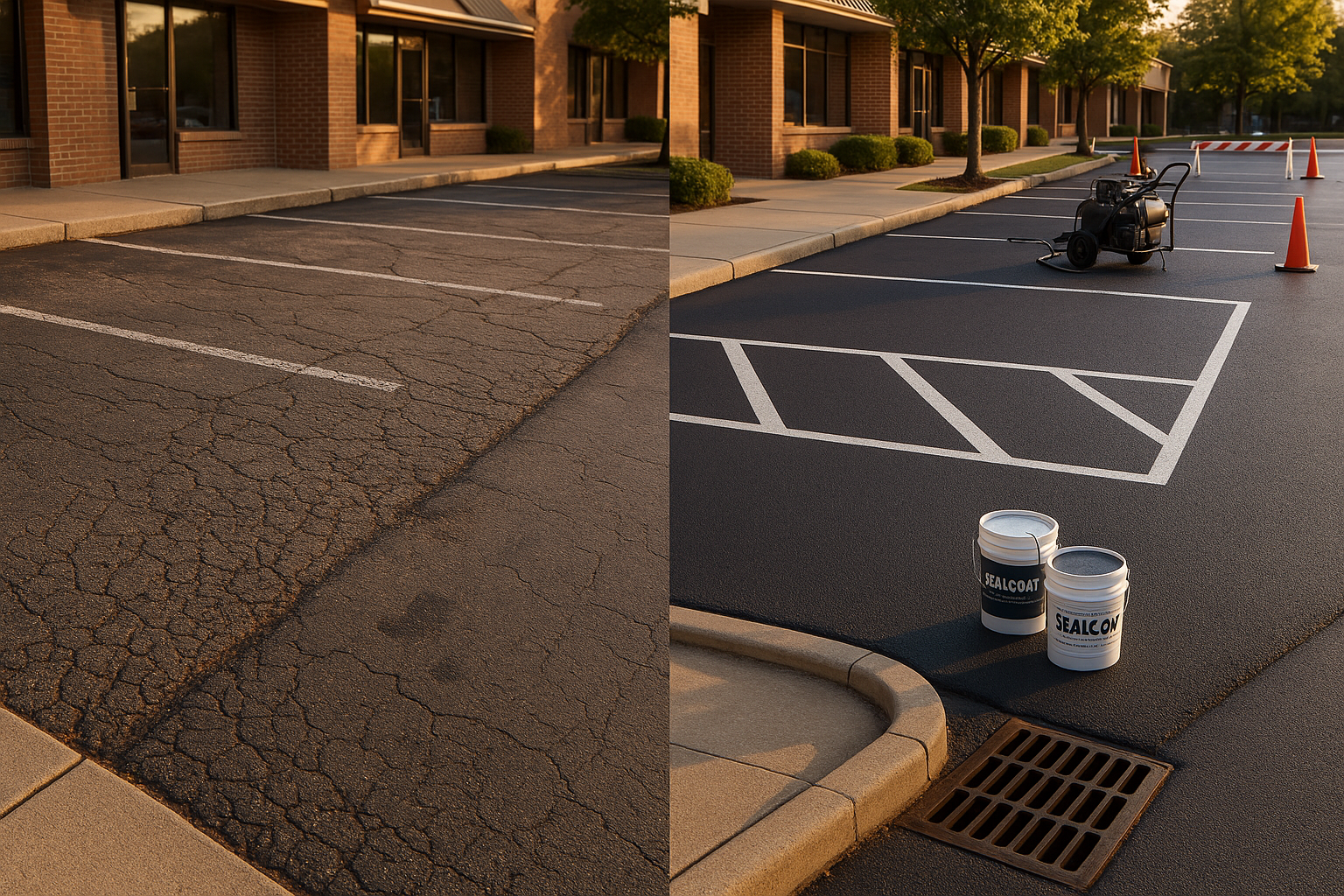
2. Sealcoating Isn't Just Lipstick
Some folks think sealcoating is only for looks. Nope. A high-solids, polymer-modified sealer with silica sand creates a wear layer that shields the asphalt binder from moisture and chlorides. It also improves abrasion resistance, so a plow blade doesn't scrape away the surface as easily. Just remember: fresh sealer needs about 30 days to fully cure before you apply any deicer. So if you didn't get it sealed last summer, plan for late spring or early fall—when temps stay above 50°F consistently. That's the best window for sealcoating in Indianapolis.
3. Coordinate with Your Snow Removal Guy
If you hire a plow service, write the deicer type and blade settings into the contract. Ask for rubber or poly cutting edges, or at least make sure the plow shoes are set correctly so the blade doesn't scrape down to the aggregate. Aggressive steel blades on a freshly sealed driveway can wreck the sealer in one pass. We've got a guide on what to look for in a snow removal contract if you want the nitty-gritty.
4. Don't Overdo the Deicer
Less is more. Calibrate your spreader, spot-treat north-facing and shaded spots instead of blanketing the whole drive, and sweep up leftover salt or sand after the storm passes. Anti-icing (putting deicer down before the snow) can use 70% less product than de-icing after the fact. That's a big deal for both your asphalt and your budget.
5. Fix Drainage Before the Freeze
Low spots, cracked pavement-to-curb joints, and downspouts that dump water across the driveway are all winter hazards. That standing water turns to ice and then to brine that seeps into every crack. The flat grades and clay soils all over the Indy area make this worse—water just sits there. Redirect downspouts, patch low areas, and seal those joints. It's boring work, but it pays off in February.
Don't Wait Until Spring—Here's What to Do Right Now
I hear it all the time: "It's already too late in the season to make a difference." That's not true. Yes, you can't sealcoat when it's 20°F outside. But you can clean out cracks and have them sealed with a cold-pour filler as a temporary measure. You can adjust your deicer plan with your snow contractor. You can sweep up excess salt after every storm. And you can schedule a full crack sealing and sealcoating job for late spring, before the next winter hits.
If you're in Indianapolis, Carmel, Fishers, Zionsville, Westfield, Noblesville, Greenwood, Brownsburg, Avon, or Plainfield, we'd be happy to walk your property and give you a simple winter deicer and plow plan—plus a clear scope and timeline for crack sealing and sealcoating. No pressure, just a straight answer on what your asphalt needs. Request a quote here.
Ready for a free lot assessment?
We walk the lot, photograph the problems, and hand you a written plan — no pressure, no obligation.