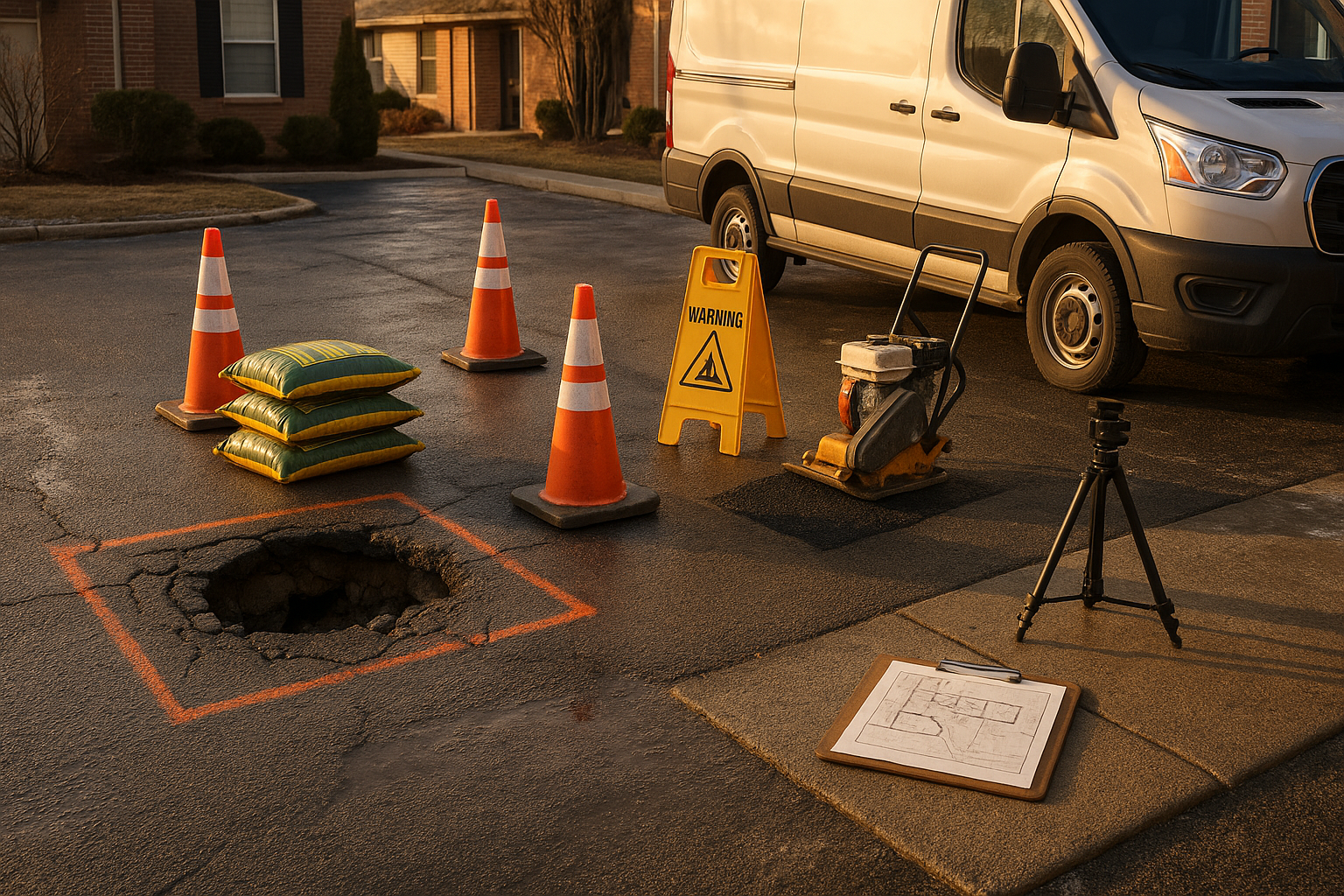
Last February, a property manager in Fishers texted me a photo of a pothole that had swallowed the front tire of a delivery van. The driver was fine, but the owner was not. She was worried about liability, angry at the constant freeze-thaw cycle, and tired of patching the same spot every few weeks. I get it. That's winter pothole repair in central Indiana: a game of whack-a-mole that feels like losing.
Why Indiana Winters Chew Up Asphalt
Indianapolis survives on a freeze-thaw loop from December through March. Water sneaks into tiny cracks, freezes, expands, and pops the pavement apart. When the ice melts, you get a void under the surface. Then a school bus, a garbage truck, or a snowplow rolls over it and the top layer collapses. Add road salt and brine eating away at the edges, and you've got a pothole that wasn't there on Monday but is three inches deep by Thursday.
Shaded north-facing drives in Zionsville and Avon are worse. Downspouts dumping water onto pavement make it worse. And if your lot sits near an I-465 interchange, the constant stop-start traffic just chews holes faster.
Which Holes Need Immediate Attention
Not every pothole is a five-alarm fire. But some are. If a pothole is in a walking path near the front door of a medical office on the north side, that's a trip hazard. If it's in a drive lane where cars dodge it and swing into oncoming traffic, that's a liability bomb. Those need a same-week fix.
On the other hand, if a hole is in a far corner of a lot with no traffic, you can probably wait. And if the base is frozen solid or the whole area is a swamp, a permanent fix won't hold anyway. That's where triage matters: find the dangerous ones, patch them now, and schedule the full-depth repair for a spring warm-up.
Cold-Weather Patching Options That Actually Work
You might have heard that you can't patch asphalt in winter. That's half true. Hot mix plants around Indianapolis mostly shut down or open sporadically from December to March, and paving crews get booked fast at the end of the season. So you can't always get the same material you'd use in July. But you can still make a safe, solid repair.
High-performance cold mix is the workhorse for winter pothole repair. This isn't the bagged stuff from the home center that crumbles in two weeks. The good stuff is polymer-modified and sticky enough to grab the sides of a wet, cold hole. You still need to clean out the loose chunks, square the edges where you can, apply a tack coat, and compact in lifts. That patch might flex a little, but it will survive snowplows and salt better than anything from a bucket.
Infrared asphalt repair is another option if the pavement is workable. We heat the existing asphalt with infrared panels, rake in some fresh material, and compact it. It creates a seamless bond along the edges, which cold patch can't always do. The catch: infrared works best on smaller areas and when the ground isn't too cold. On a sunny January afternoon in Greenwood, it can be a great fix. On a 10-degree morning in Carmel, not so much.
For bigger failures or spots with base problems, you might need a temporary patch now and a full-depth saw-cut repair later. That means cutting a clean rectangle, removing the bad material, and rebuilding the base in warmer weather. It costs more and takes longer, but it's the only real fix for a hole that keeps coming back.
What To Expect From a Winter Patch
Be honest with yourself: a winter patch is a Band-Aid. It might last six weeks or six months, depending on traffic, moisture, and how well it was compacted. Nobody can promise a winter patch will make it to July. But that doesn't mean it's a waste. A $200 temporary patch that stops a lawsuit or a broken axle is money well spent.
Ask your contractor about expectations, not guarantees. A good crew will tell you, 'We'll patch it now, watch it through the next thaw, and come back for a permanent repair in April or May.' That's the right attitude.
Residential vs Commercial: Not the Same Animal
Homeowners in Plainfield or Brownsburg call about a pothole in their driveway near the apron. That's usually a smaller, cleaner job. We might spend 45 minutes cleaning, packing cold mix, and feathering the edges so it doesn't catch a tire. Driveway pothole repair is more about neatness and less about traffic control.
Commercial lots are different. A retailer in Avon doesn't want a crew blocking the entrance at lunchtime. An HOA in Westfield needs signage, cones, and maybe off-hours work. We map the hazards, mark them with paint, and coordinate with the property manager so we're in and out between deliveries or after close. It's more project management than patching.
Prevention That Saves You Money Later
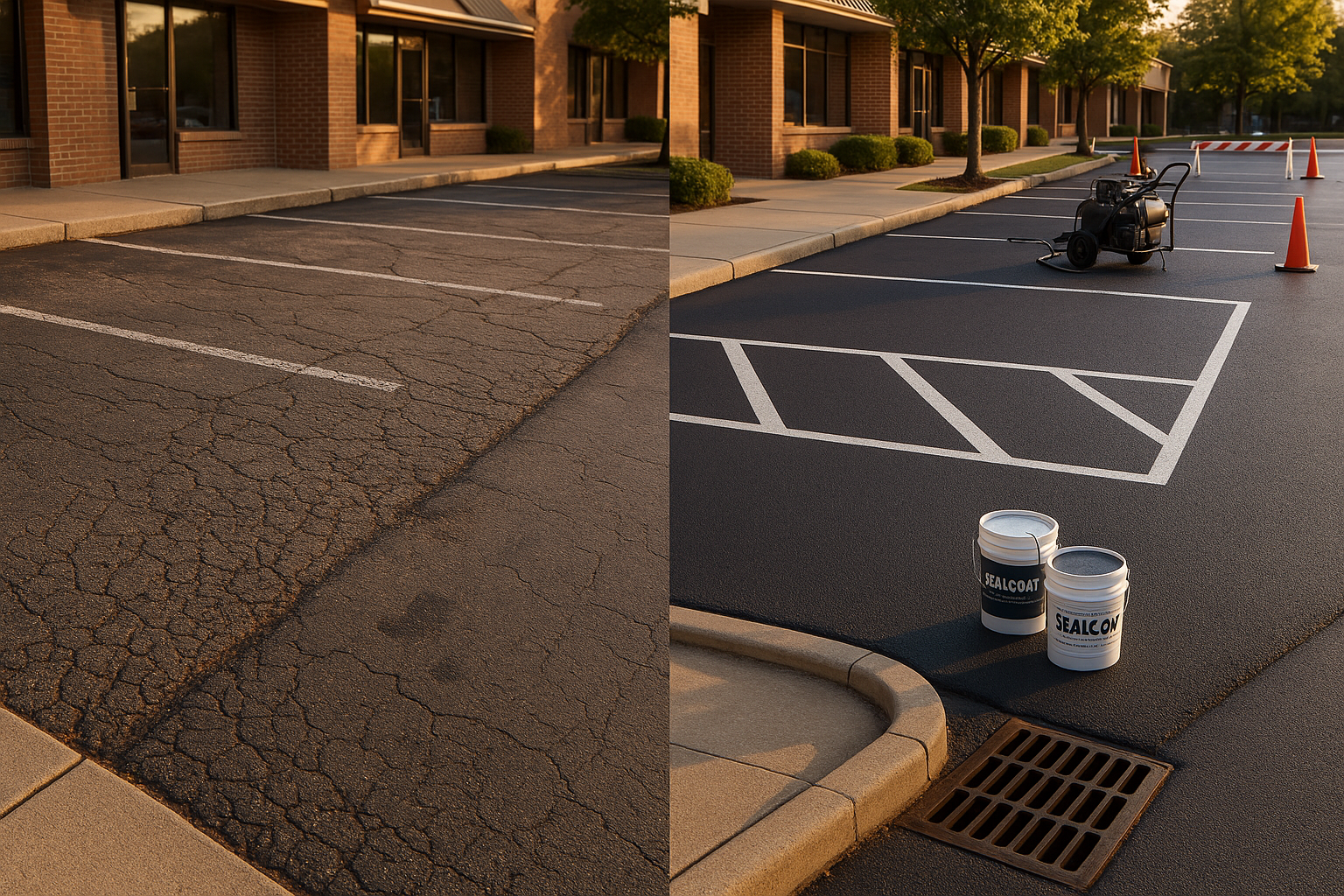
Most winter potholes start with a crack filled with water. So before the deep freezes hit, get your cracks sealed. A few hundred dollars of crack filling in October can save you thousands in February. Here's a good breakdown on DIY crack filling vs hiring a pro. Keep drains and gutter downspouts clear so water isn't dumping onto the pavement. And tell your snowplow operator to lift the blade at the edges instead of scraping bare asphalt. Plow damage on a lot in Noblesville looks like long, shallow gouges that turn into potholes by March.
One facilities manager in Fishers told me he started using a rubber edge on his plow blade. His winter patching bill dropped by half. Small change, big result.
Why Hire PavementPros Instead of a Bag of Patch
I get it. Your maintenance guy can throw a few bags of cold patch into a hole for $50. But here's what usually happens: the hole is still full of water, the patch doesn't stick, and it pops out after the next freeze-thaw cycle. Then you do it again. And again. A professional winter pothole repair means we clean the hole, remove standing water, square edges where feasible, apply a bonding tack, compact in layers, and leave the patch flush with the surface so it doesn't rip a plow blade off. That's the difference between a temporary fix and a temporary mess.
Plus, we document everything. Photos before and after, location maps, date and weather conditions. If someone claims they hit a pothole that you didn't fix, you have a record. That's not just good service; that's insurance for your insurance. (Some property managers also use lot condition documentation to stay ahead of claims.)
Ready To Get Your Lot Triaged?
Winter potholes won't wait for spring. If you manage a property in Indianapolis, Carmel, Fishers, Zionsville, Westfield, Noblesville, Greenwood, Brownsburg, Avon, or Plainfield, we'll walk the lot with you, mark every hazard, and give you a prioritized plan: what to patch this week and what to schedule for permanent repair once the plants open back up. No pressure, no upsells. Just an honest look at your pavement.
Get a free winter pothole assessment and quote
Ready for a free lot assessment?
We walk the lot, photograph the problems, and hand you a written plan — no pressure, no obligation.