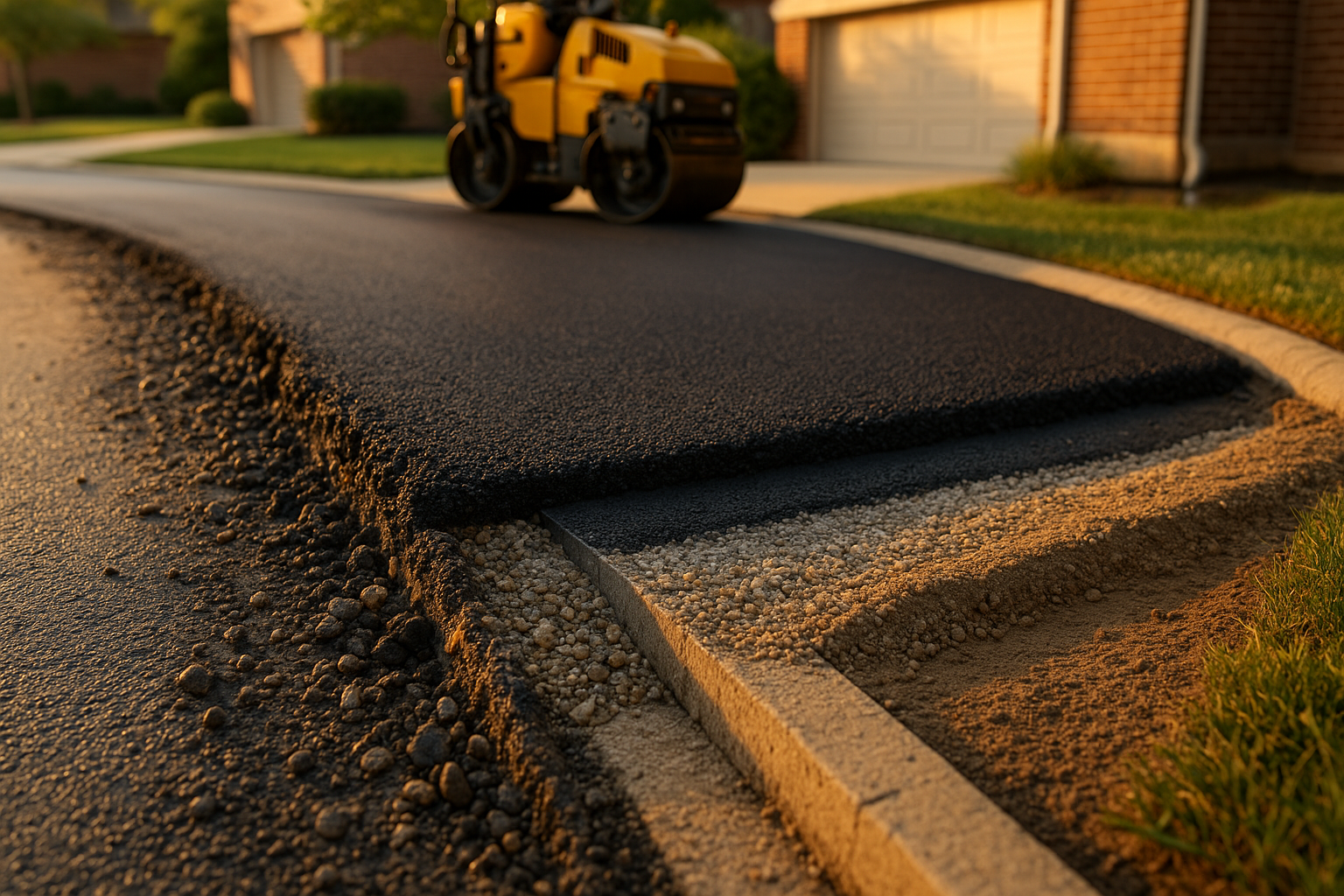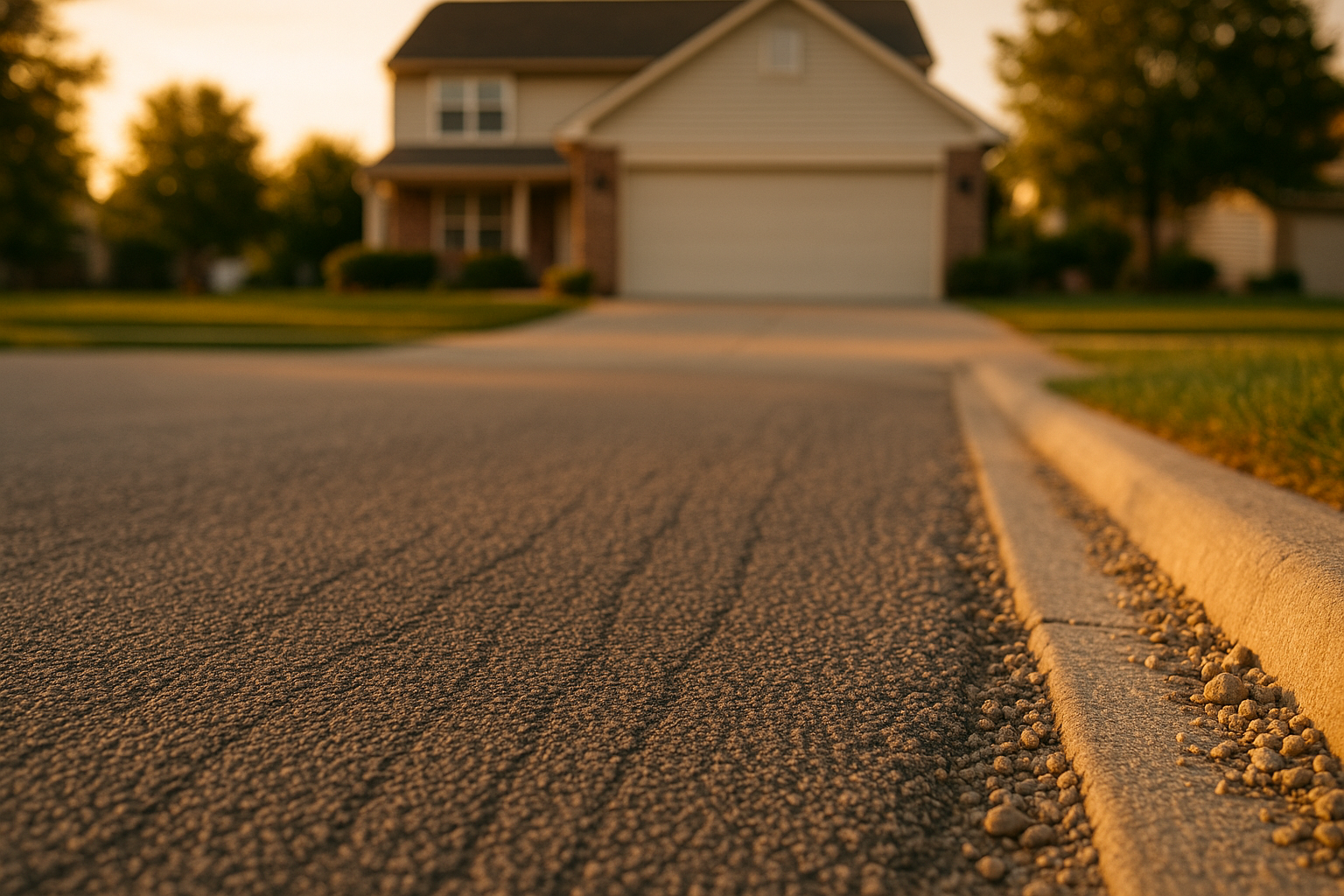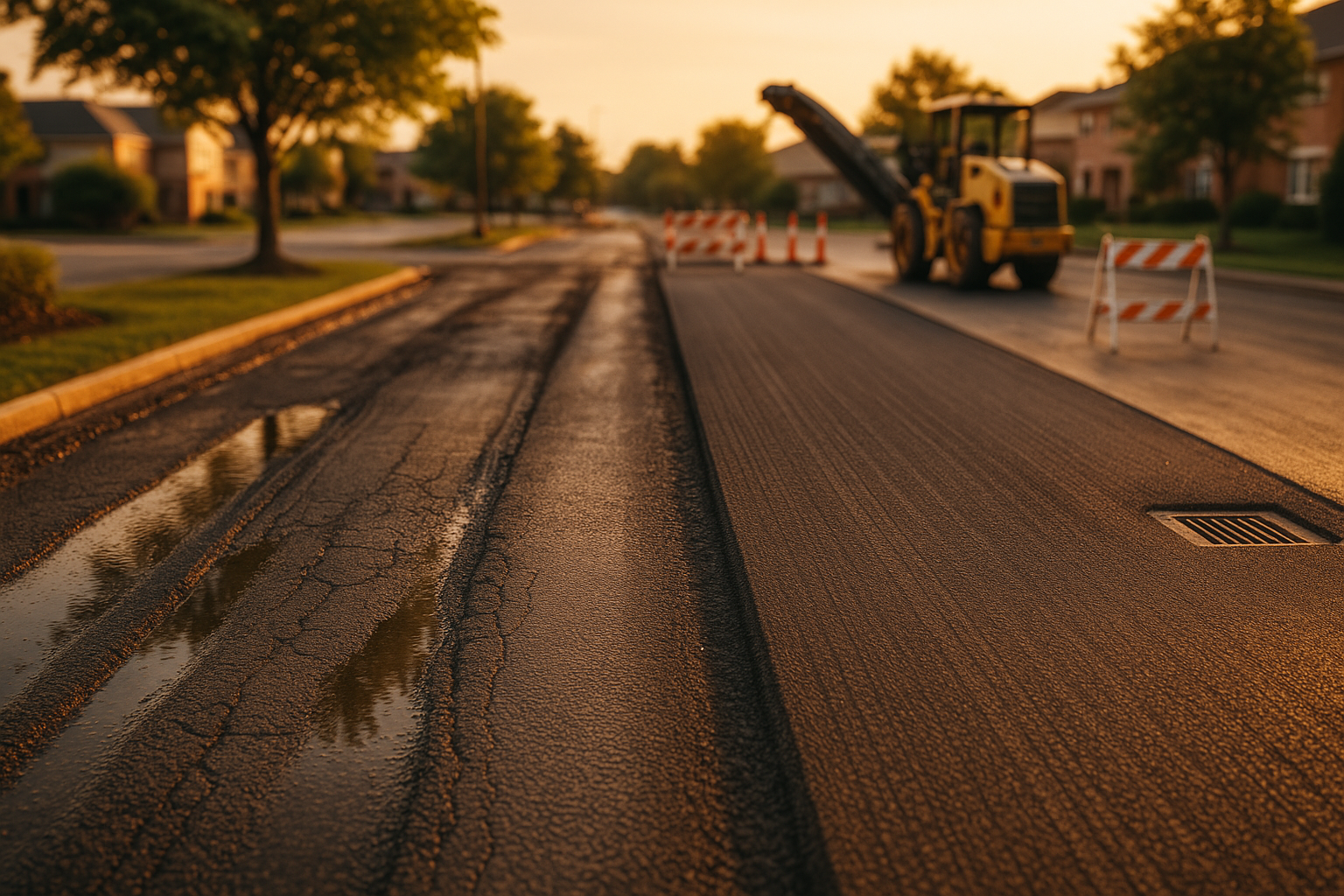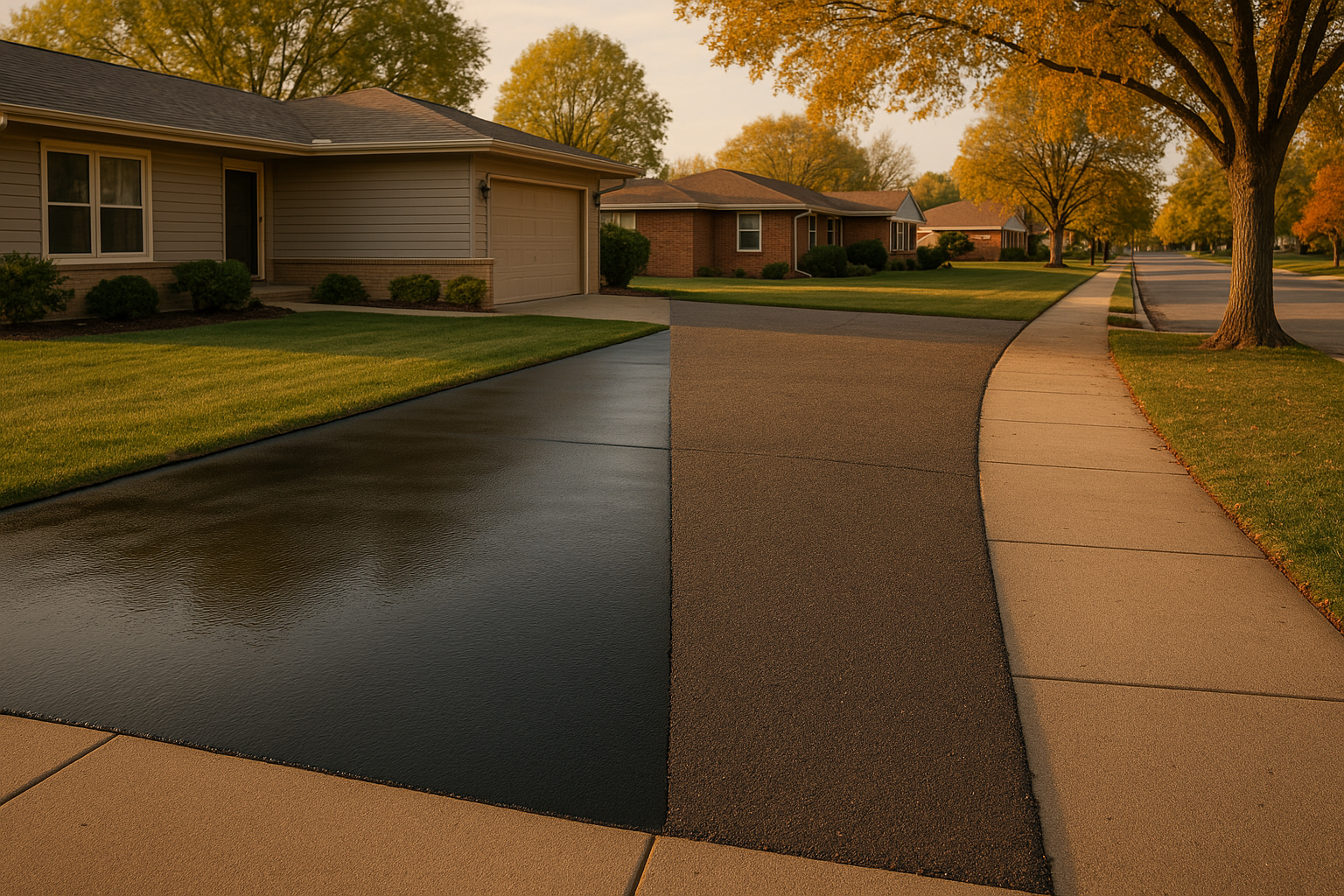
Last spring, a homeowner in Zionsville called us, panicked. Her driveway looked like a cracked jigsaw puzzle after just one Indiana winter. She’d paid a handyman to seal it the fall before, but the stuff was already peeling away. Turns out, the cheap “sealer” didn’t stand a chance against our freeze-thaw cycles and the salt from the city plow. She wished she’d known the difference between sealcoat types. If you’re a property manager or homeowner around Indianapolis, you’re probably facing the same question: coal tar sealer or asphalt emulsion? Let’s break it down like you’re a neighbor, not a chemist.
So, What Even Is Coal Tar Sealer?
Coal tar sealer is a black, liquid coating made from refined coal tar. It’s the old-school heavy hitter of the sealcoat world. When it cures, it forms a hard, slick layer that blocks water, oil, and UV rays. Asphalt emulsion, on the other hand, is basically tiny asphalt particles suspended in water. It’s thinner, more flexible, and way less smelly. But both aim to do the same thing: protect your asphalt from the elements. The big differences are in toughness, odor, and what’s inside.
The Good Stuff: Why Pick Coal Tar?
Fuel and Chemical Resistance
If you’ve got a commercial lot near a gas station or a warehouse driveway where trucks drip diesel, coal tar sealer is a champ. It laughs off gasoline, oil, and brake fluid spills. A fleet manager over in Greenwood told us his asphalt emulsion coating got soft and gummy after just a few months of fuel drips. We switched him to coal tar five years ago, and that lot still looks sharp. For residential use, unless you’re wrenching on classic cars or hosting a truck stop, you probably don’t need that level of toughness.
Longevity and UV Protection
Coal tar also blocks the sun’s UV rays better than most emulsion sealers. That dark black finish is a shield—it keeps the asphalt binder from drying out and getting brittle. In high-traffic areas, a well-applied coal tar sealcoat can add a year or two between recoats. But honestly, with our weather, no sealer lasts forever. Regular maintenance is still your best friend.
The Not-So-Good Stuff
Odor, Tracking, and Cure Time
Let’s be real: coal tar stinks. The odor is strong during application and lingers for a day or two. In a cul-de-sac in Carmel, that can annoy neighbors real quick. It also has a habit of tracking onto driveways and floors if it isn’t fully cured—something that happens more in our muggy summers. Shaded lots under big maples in Fishers? Expect a full 48 hours before you can safely drive on it. And if you jump the gun, you’ll be scrubbing black footprints off the entryway.
Environmental and Health Concerns
Coal tar contains polycyclic aromatic hydrocarbons, or PAHs. Some research links PAHs to health risks, and they can run off into storm drains and waterways. Many U.S. cities restrict coal tar sealers—retail stores don’t always stock them anymore. In Indiana, there isn’t a statewide ban, but always check with your HOA. Some neighborhoods in Westfield and Avon have said no. A few clients have corporate policies against it too. It’s worth a phone call before you commit.
Asphalt Emulsion: A Modern Alternative
Asphalt emulsion sealers are water-based and have a lot less odor. The plain stuff isn’t as fuel-resistant, but modern polymer-modified versions add rubbery polymers that boost flexibility and scuff resistance. They also handle freeze-thaw cycles well because they can stretch without cracking. For most Indianapolis driveways that see minivans and the occasional SUV, a good polymer-modified emulsion is plenty. It cures faster, tracks less, and doesn’t make the neighbors grumble.
What’s Legal in Indianapolis? And What Do HOAs Say?
We get asked all the time: “Is coal tar sealer banned in Indianapolis?” Not at the city level, but the landscape is changing. Big box stores have pulled it from shelves, and many HOAs—especially in newer subdivisions around Noblesville and Zionsville—prohibit it. Always ask the board or read your covenants. If you manage a commercial property, check with the owner. Compliance headaches aren’t worth the extra performance in most cases.
How Our Indy Weather Affects Sealcoating
Freeze-Thaw Cycles
Our winters are tough on asphalt. Water seeps into tiny pores, freezes, expands, and pops the surface. That’s why crack filling and sealcoating matter so much. A quality sealer fills those pores and keeps water out. But the sealer itself has to hold up. In our experience, a well-applied emulsion can handle the cycles fine, but coal tar’s harder shell sometimes micro-cracks if the temperature swings are wild.
Humidity and Cure Times
Summer humidity in Indy often stretches cure time. We shoot for application when the air and pavement temperatures are between 50°F and 90°F, with low rain chances for 24 hours. But if the air’s soupy, a coal tar job might need an extra day before traffic. We phase work lane-by-lane on commercial lots to keep businesses running. Don’t rush the cure if you’re striping lines—here’s a guide on cure times for that.
Prep Work Makes All the Difference
Oil spots? Clean and prime them first. Cracks? Rout them out and fill them. Potholes? Proper patching is non-negotiable. Without that prep, even the priciest sealer peels in months. We pressure wash the whole surface before any seal goes down. That step alone can add a year to your sealcoat’s life. If you're weighing a full repave versus sealing, this comparison might help you decide.
How Long Does It Last Around Here?
In Central Indiana, residential sealcoating every 2–3 years is a safe bet. Commercial lots with heavier traffic? Plan for every 2–4 years. Snowplows and salt can scrape off a season’s worth of sealer, so don’t stretch it. Some folks think coal tar sealer lasts forever—it doesn’t. It might buy you one extra year, but the real key is sticking to a schedule. A simple maintenance plan is cheaper than rebuilding a lot from scratch.
Cost Isn’t Just About the Sealer
A lot of people ask, “How much more does coal tar cost?” The truth is, the material itself is only part of the picture. The big drivers are the number of coats, how much crack repair is needed, layout complexity, and traffic control. A line-item quote shows you where the money goes. We broke down typical sealcoating costs in another post, too.
Making the Right Call
There’s no perfect sealer for every spot. A driveway in Brownsburg that only sees minivans? Polymer emulsion is your friend. A loading dock at a warehouse in Plainfield? Coal tar might make sense—if your policies allow it. Our crew at PavementPros walks the property with you, eyeing traffic patterns, fuel exposure, shade, and budget. Then we lay out a clear plan, no guesswork. Ready to stop worrying about your lot? Let’s walk the site together and get a straight-up quote.
We serve Indianapolis, Carmel, Fishers, Zionsville, Westfield, Noblesville, Greenwood, Brownsburg, Avon, Plainfield, and the surrounding metro.
Ready for a free lot assessment?
We walk the lot, photograph the problems, and hand you a written plan — no pressure, no obligation.