Last spring, a hotel GM in Carmel called me, half laughing, half frantic. A guest had snapped a heel in a crack by the lobby entrance. Not exactly the welcome they'd planned for a bridal party. He told me, "I didn't think about the lot until someone complained. Now I can't unsee it." That's how it goes with hotel parking lots. They're the first thing guests see and the last thing you think about—until there's a problem. In Indianapolis, with our wild freeze-thaw cycles and heavy event weekends, hotel parking lot maintenance isn't just about looks. It's about safety, brand reputation, and not losing revenue over something as fixable as asphalt.
Why your hotel parking lot deserves a real plan
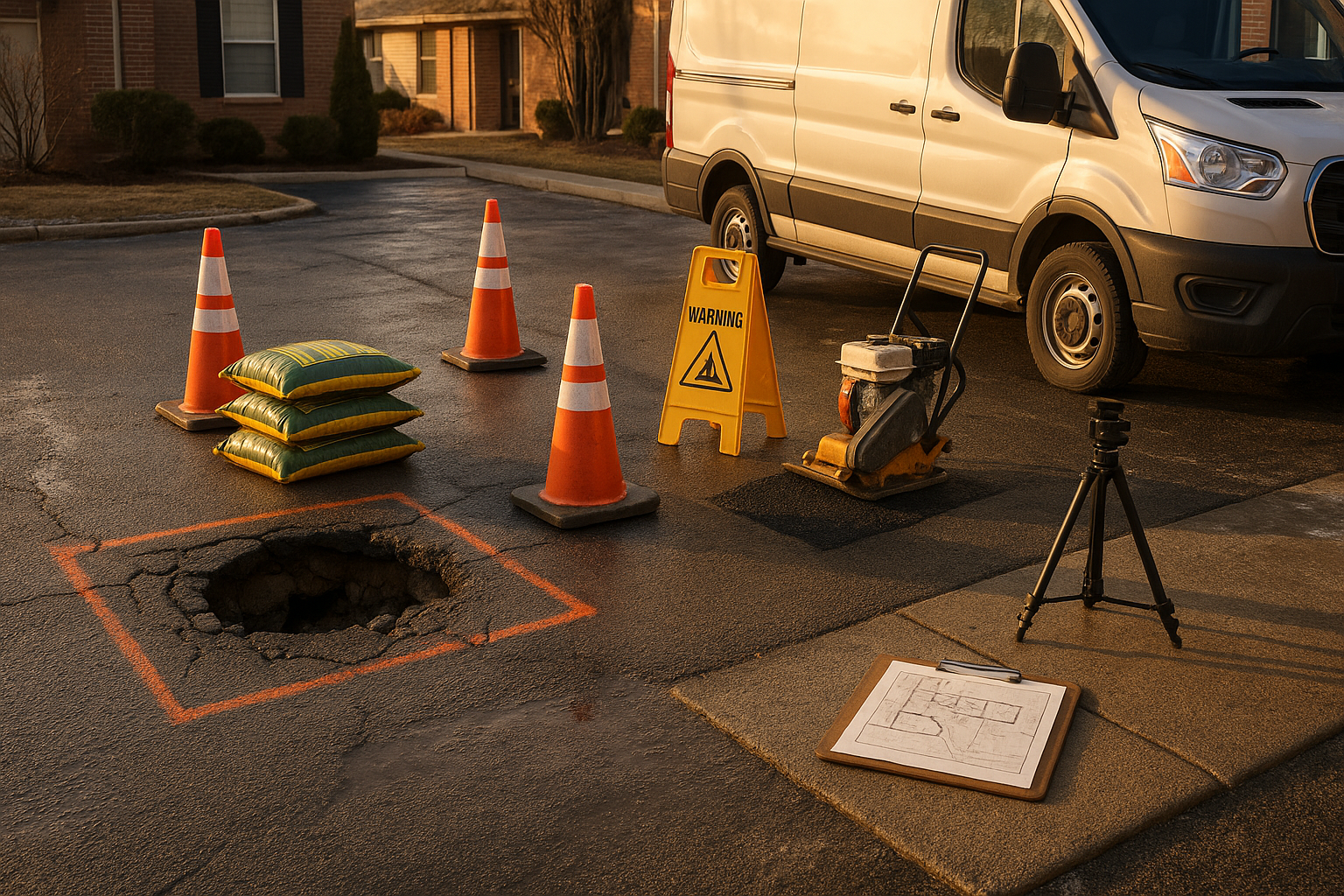
A beat-up parking lot sends a message before a guest even steps inside. Cracks, faded lines, potholes—they scream neglect. And in the hospitality business, first impressions stick. I’ve heard from more than one facility manager that corporate brand audits will ding them hard if the lot isn’t up to standard. Beyond that, there’s the safety piece. Trips, slips, cars bottoming out—those turn into liability claims faster than you can say "room service." With Indianapolis weather hammering pavement from November to March, a reactive approach costs way more than a preventive plan. De-icing salts eat away at surfaces, and the freeze-thaw cycle that gives us our pothole season every spring means cracks widen fast if you ignore them. A proactive hotel parking lot maintenance schedule keeps guests safe and your reviews clean.
What hotel parking lot maintenance really covers
When we walk a hotel property, we’re not just kicking tires. A full-service plan for a hotel in Indianapolis or the surrounding areas—Carmel, Fishers, Zionsville, Noblesville, Greenwood, you name it—has to tackle a few big buckets.
ADA and wayfinding
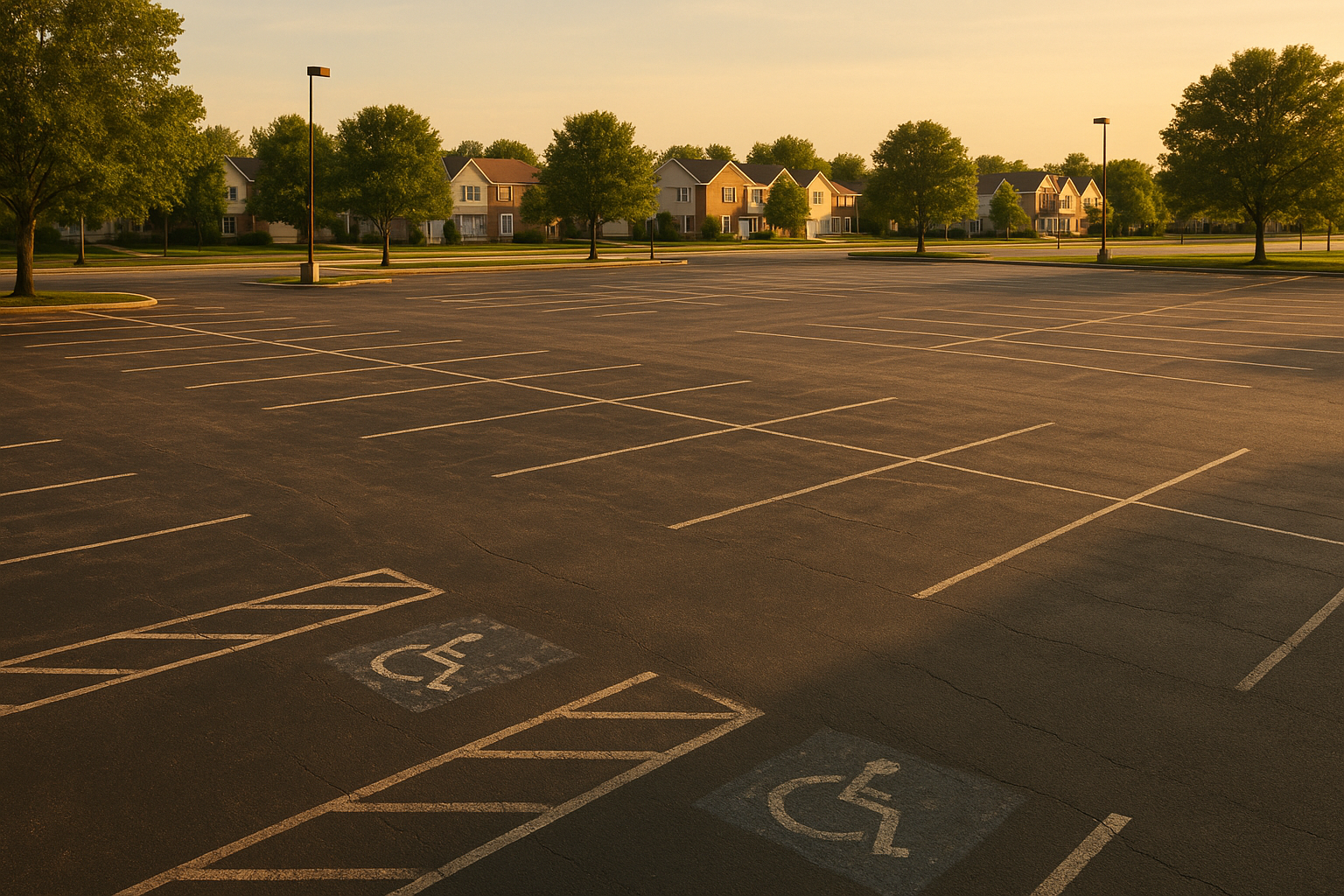
This is where a lot of hotels get nervous. ADA parking compliance is non-negotiable, and the rules are specific: stall counts, dimensions, van-accessible aisles, routes to entrances. At a busy convention hotel or an airport property near IND, valet and shuttle lanes need crisp, high-contrast striping that can handle constant traffic. Thermoplastic markings are our go-to because they survive Midwest winters and don’t fade after one season. We also mark EV charger stalls—a growing need—and make sure fire lanes and curbs are painted per local fire code. Clear wayfinding isn’t just about rules; it reduces guest frustration and keeps the flow smooth when a sold-out weekend hits.
Drainage and standing water
Indianapolis gets real rain, and a lot of hotel lots—especially around I-70 and I-465—sit on flat ground with clay soil that doesn’t drain well. Standing water leads to slip hazards, ice patches in winter, and faster pavement breakdown. We inspect catch basins and curb inlets to make sure they’re clear and graded right. If water is pooling near the entrance or in accessible aisles, it’s a problem that needs fixin’. You can read more about the causes and solutions for standing water in parking lots here. Proper drainage repair keeps your lot safe and extends the life of the asphalt.
Materials that hold up to Midwest weather
We spec materials that can take what Central Indiana throws at them. Polymer-modified sealers, hot-pour crack sealants that actually flex with the ground, DOT-spec asphalt for patches—these aren’t the cheap fillers you get from a fly-by-night crew. For line striping, we recommend low-VOC paints or thermoplastics that won’t peel after one blast of de-icing salt. And when we’re putting in wheel stops or speed bumps, we pick plow-friendly designs so your winter plow driver doesn’t destroy them by February. If you’re weighing the pros and cons, this comparison of wheel stops and bumper blocks might help.
How PavementPros works around your guests
Nobody wants to explain to a wedding party why they can’t park or listen to the hum of a crack router during check-in. That’s why phasing and night work are standard for hotel parking lot maintenance. We map out closures in small sections, often overnight, so the lot is open during peak hours. We coordinate with shuttle schedules, valet operations, and deliveries—even ride-share pickup zones—to keep things moving. If there’s a big event in town (think Indy 500, Big Ten football, anything at the convention center), we build the schedule around it. You get daily updates for the front desk so they’re never caught off-guard by a guest question. And we use traffic control and clear signage so even a half-closed lot feels manageable. For a deeper dive into keeping your business running during lot work, check out this guide.
A year-round maintenance calendar for Indianapolis hotels
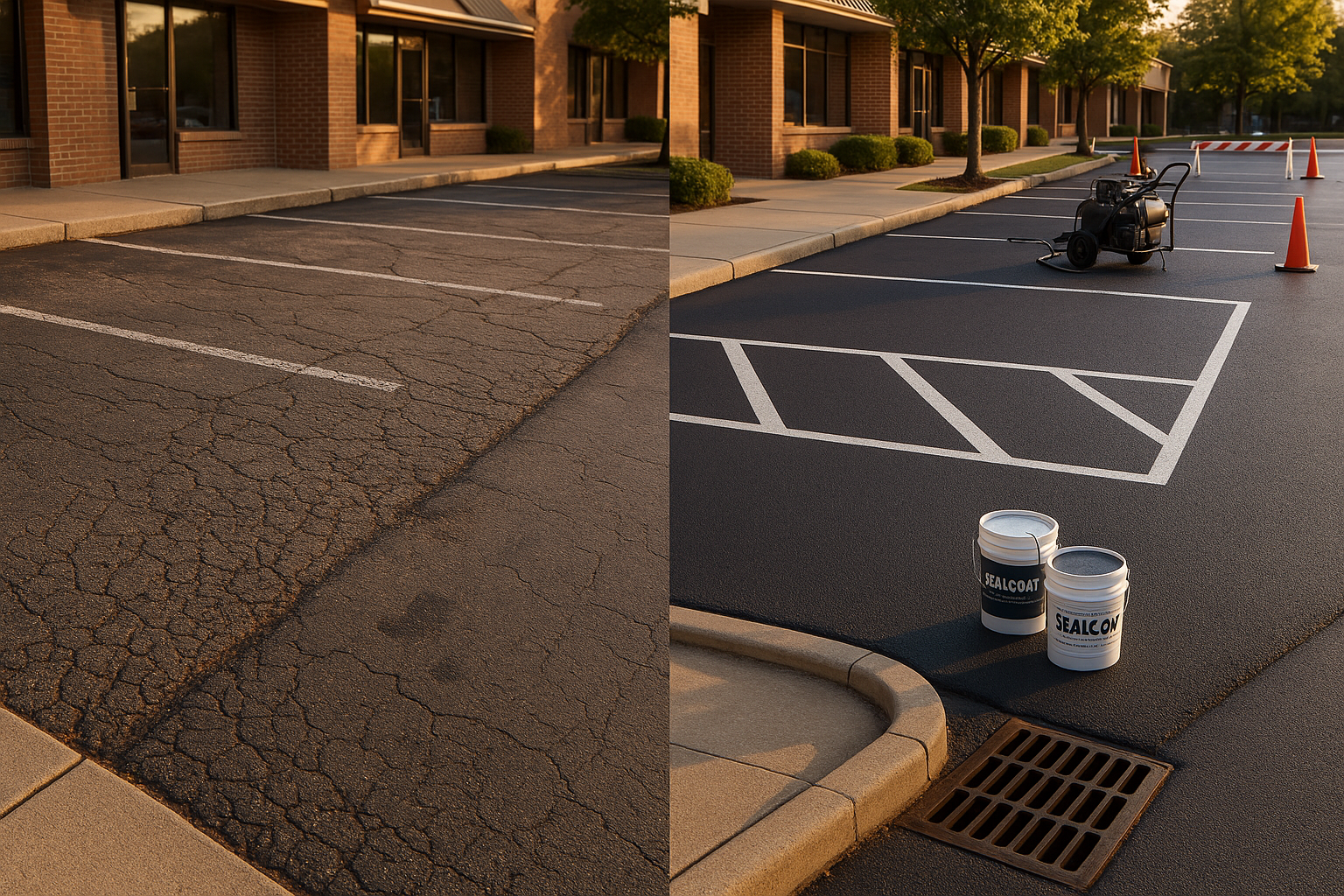
Timing is everything here. In Central Indiana, sealcoating and striping need warm, dry weather—typically April through October. Spring is ideal for crack sealing to shut out moisture before the next freeze-thaw cycle. Summer is prime for sealcoating and full restriping, especially if you’re downtown or near the airport where summer event traffic is nonstop. Fall is about prepping drains and making sure surfaces are sealed before winter’s salt and plows chew them up. Then winter: we help you mark edges and protect wheel stops so plow blades don’t leave scars. Come spring, it’s time to assess de-icing salt damage and do spot repairs. Sticking to a preventive maintenance plan—sealcoating every 1–3 years, annual inspections—can double the life of your asphalt. For a look at how to stretch your lot’s lifespan, read this.
Ready to get ahead of the cracks?
The best time to start hotel parking lot maintenance was before that first heel snapped. The second-best time is now. PavementPros does a free, no-obligation site walk at your property in Indianapolis, Carmel, Fishers, Zionsville, Westfield, Noblesville, Greenwood, Brownsburg, Avon, or Plainfield. We’ll give you a condition rating and a phased plan that works around your occupancy—no guesses, no pressure. Just a clear scope and a quote so you can budget right. Reach out through our quote page and let’s talk.
Ready for a free lot assessment?
We walk the lot, photograph the problems, and hand you a written plan — no pressure, no obligation.