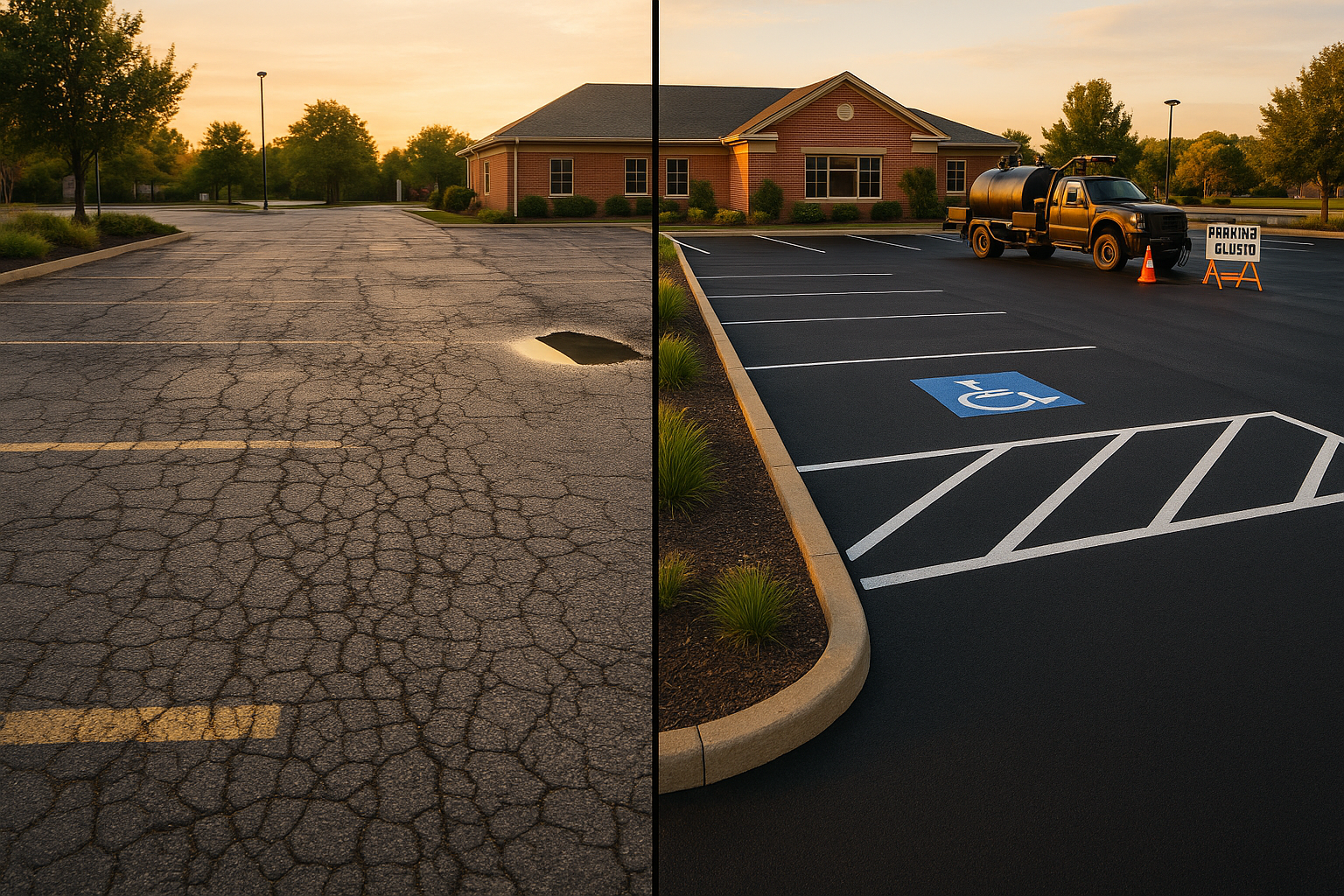
Last spring, I was talking with a church facilities guy in Carmel. Every Sunday, he'd watch families dodge potholes and faded lines in the lot. After a brutal Indiana winter, the asphalt looked like a gray, cracked mess. He felt embarrassed, like the building was shouting "we don't care" before anyone even walked in. Then he got the lot sealcoated. The Monday after, the blacktop was rich and dark, lines crisp. Members kept saying the property felt brand new. That's the thing about parking lot sealcoating—it's not just about protecting asphalt. It's about first impressions, safety, and keeping small problems from becoming wallet-draining repairs.
Sealcoating in Indianapolis isn't a luxury. It's a necessity. Our freeze-thaw cycles, road salts, plow blades, and brutal summer sun work together to age asphalt fast. Without a protective shield, your lot slowly oxidizes, starts raveling (that's when little stones pop loose), and loses its flex. You end up with alligator cracks, standing water, and eventually, a full-depth replacement. A sealcoat every few years interrupts that downward spiral and saves you serious money. Plus, a jet-black lot just looks maintained, which matters whether you run a strip mall in Greenwood or a medical office in Fishers.
Why Indianapolis Lots Need Sealcoating More Than You Think
Central Indiana weather is tough on pavement. One day it's 40 degrees and raining, the next it's 15 and snowing. Water sneaks into tiny cracks, freezes, expands, and pries the asphalt apart. Come spring, those hairline fractures are full-blown cracks. Then plow trucks scrape off the oxidized surface, and de-icing salts chew away at the binders that hold everything together. It's a slow-motion wrecking ball.
Sealcoating creates a flexible barrier that blocks water, UV rays, and oil from reaching the asphalt. Think of it like sunscreen and a raincoat rolled into one. It slows oxidation so the pavement stays pliable longer. For facilities in high-traffic areas—like the retail centers along 96th Street or near the Speedway—a regular maintenance schedule is the only way to avoid constant patching. We recommend planning parking lot sealcoating about every 24 to 36 months. After a couple of winters, you'll see fading, loose aggregate, or the lot starts needing more frequent sweeping. Those are signs it's time.
Some owners in Westfield or Noblesville ask why a south-facing lot ages faster. It's just sun exposure. That open sky bakes the asphalt, drying out the oils. Add in heavy traffic from school drop-offs or weekend services, and the wear doubles. A two-coat sealcoating application puts an even, protective film down that buys you years. It's a lot cheaper than an overlay or full reconstruction. And if you're managing a commercial property, you know that asphalt sealcoating Indianapolis contractors offer different material options—we'll walk you through which makes sense for your site, not just what's on the truck.
What Actually Happens During a Sealcoating Project
A lot of folks imagine a crew just rolls in, sprays black goop, and leaves. Real sealcoating is more methodical—and that method is why it lasts. Here's the step-by-step, so you're not surprised.
Prep Work: It's All About the Surface
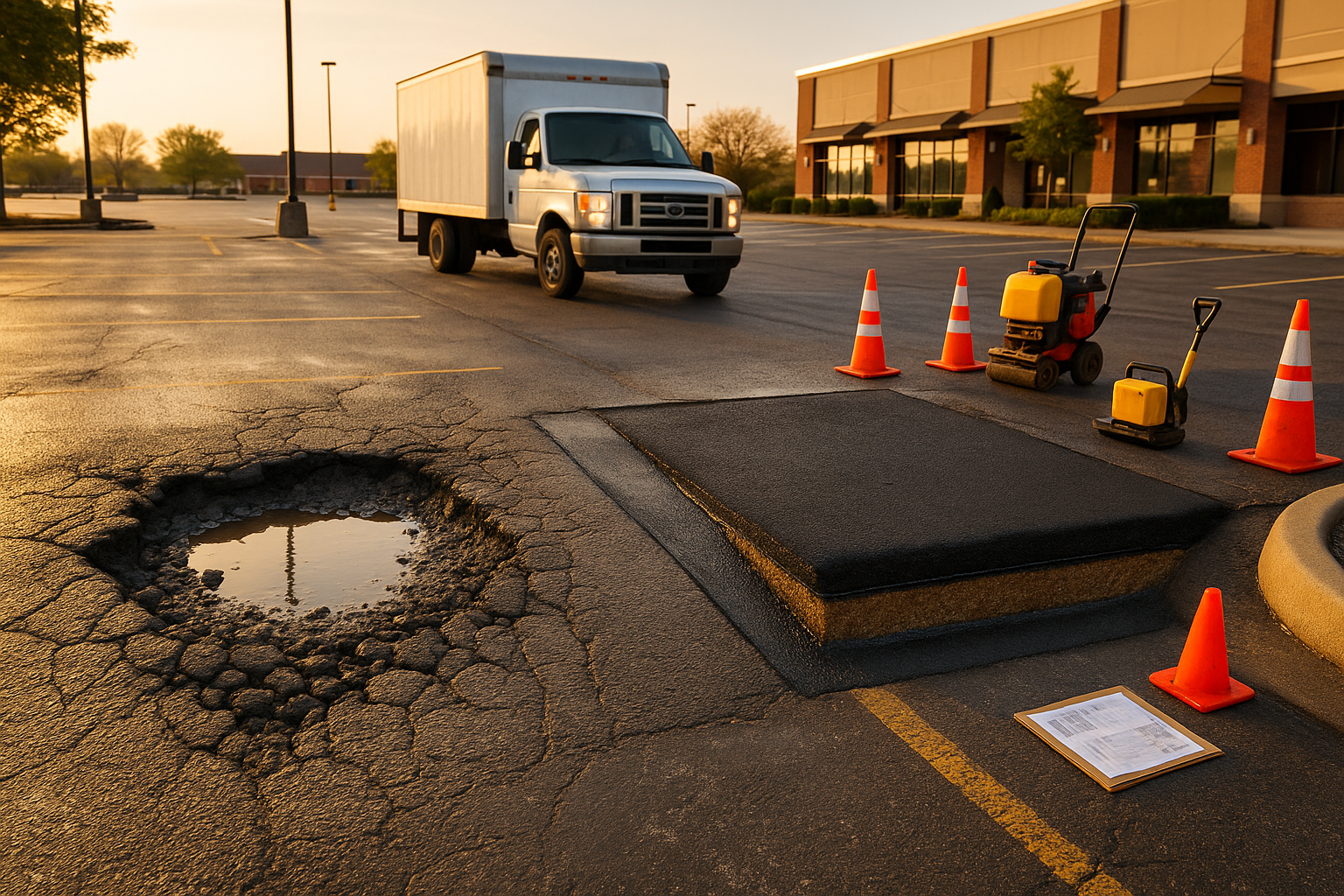
The crew starts by sweeping and power-cleaning every inch. Leaves, dirt, and loose gravel have to go. Oil spots get scrubbed and primed so the sealer bonds. Any vegetation poking through edges gets yanked. This is also when crack sealing happens. Filling cracks with a rubberized hot-pour material keeps water out and stops them from widening. If you've got deeper damage—potholes or birdbaths—those get patched before any sealcoat. Skipping this step is like painting over a rusty car; it might look okay for a month, then it fails.
We always tell our Avon and Brownsburg clients: water is the enemy. That's why we check drainage too. If your lot has low spots that puddle after a rain, we might recommend leveling or adding drains before sealcoating. Otherwise, that standing water will break down the new surface fast.
Applying the Sealer
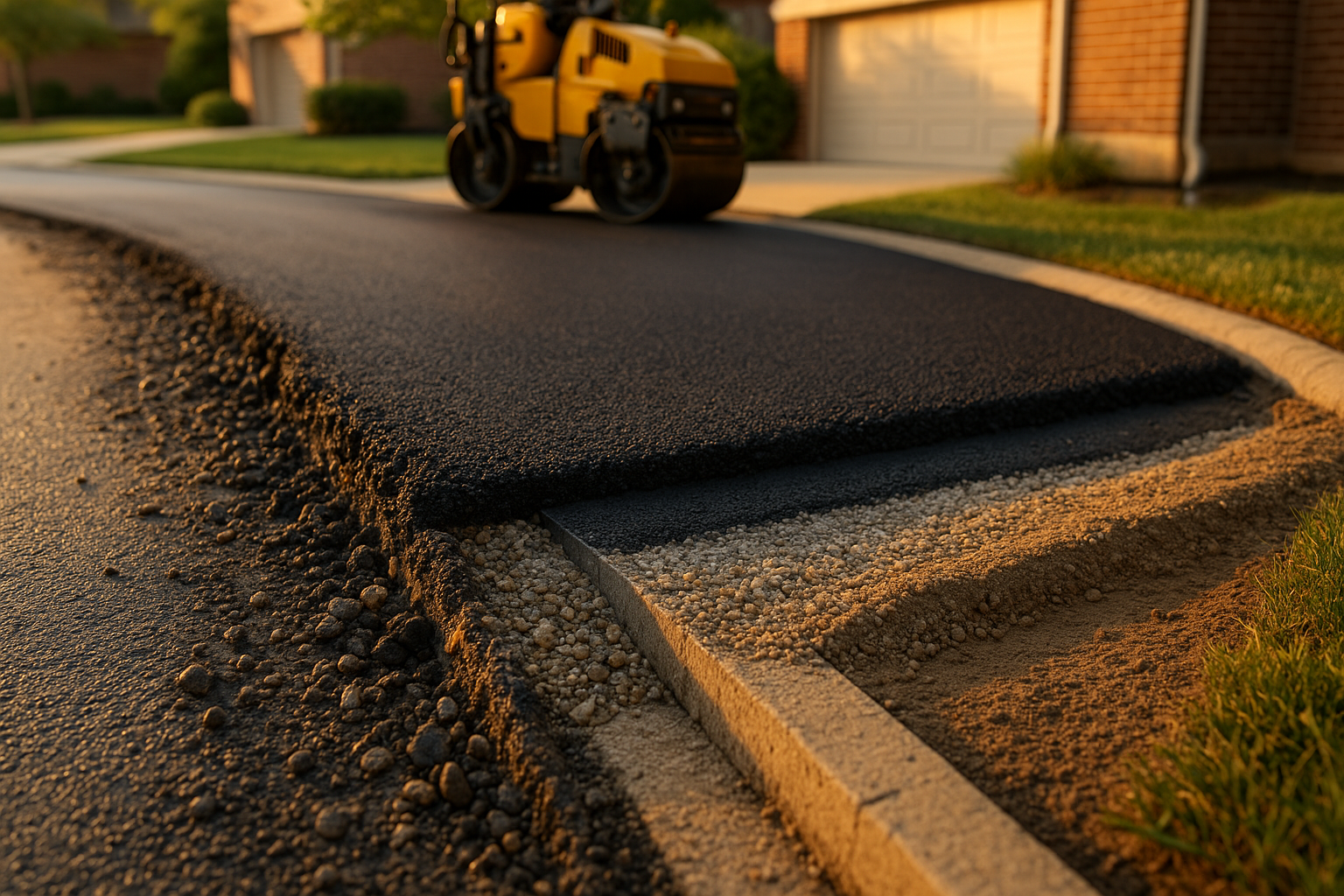
Most jobs use a commercial-grade asphalt emulsion sealer with sand and latex additives. This mix gives you better durability and traction than old-school coal tar—and it's safer for people and pets. (Coal tar has fallen out of favor due to odor and environmental rules; many properties now require asphalt-based sealers.) The sand adds grip so the surface isn't slick when wet, and latex helps it flex with temperature shifts. A quality two-coat sealcoating system means spraying or squeegeeing on one coat, letting it set, then applying a second. High-traffic lanes might get an extra pass. Edges along curbs and buildings get masked to keep sealer where it belongs—no overspray on brick facades or storefront doors.
For lots with heavy truck traffic, like industrial parks in Plainfield, we may adjust the mix for extra toughness. But the core idea is the same: a uniform, weather-tight skin bonded to the asphalt.
Curing and Reopening
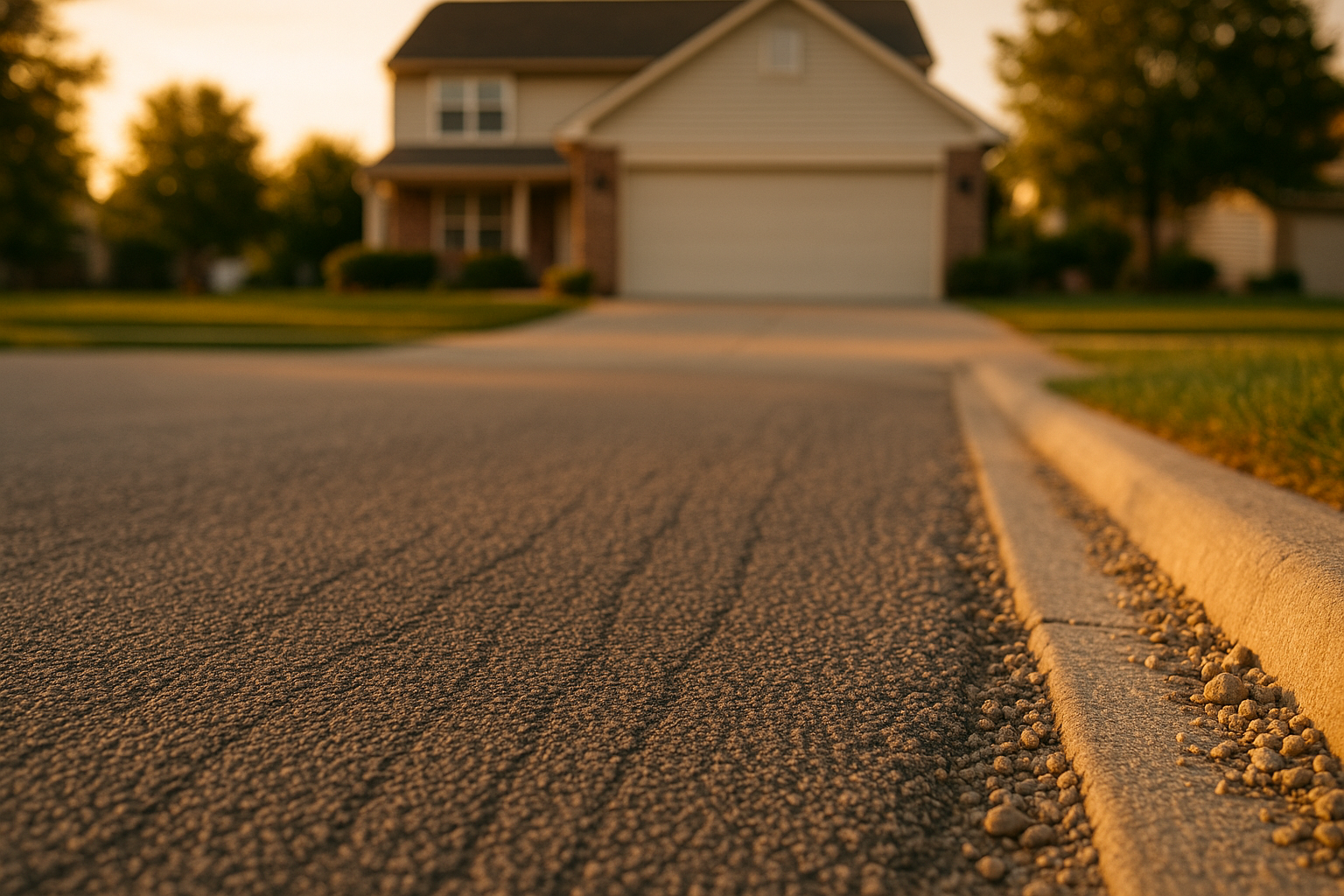
Once the sealer is down, it needs time to cure. Temperature and humidity matter a lot. In Indiana, the sweet spot is late spring through early fall, when nights stay above 50°F and rain isn't in the forecast for at least 24 hours. A typical lot cures enough for foot traffic in a few hours, but vehicles should stay off until the next day. We always pin down an exact cure time based on the weather and the sealer's specs. If you're a business that stays open, we can phase the work—half the lot sealed one day, the other half the next. That keeps access open. Sure, it takes more planning and maybe a little extra for traffic control for sealcoating, but it beats shutting down entirely.
Striping and Final Touches
After the sealcoat is fully cured, the crew comes back to restripe. Old lines get chalked out, then sprayed fresh. This is the perfect time to check ADA striping requirements. Do you have the right number of accessible spaces? Are the access aisles wide enough? Are the signs at the correct height? A quick review now prevents fines and lawsuits later. We often walk the lot with the property manager to confirm stall counts, fire lane markings, and any directional arrows. Once the paint is dry (usually just a couple of hours), the lot is ready to open.
Common Worries (And Honest Answers)
Will the sealer track inside? Not if it's dry. The crew won't open the lot until the surface is set. For apartment complexes in Zionsville, we even post signs so residents know when to walk and when to drive.
What about the smell? Asphalt emulsion sealers have a faint odor that fades fast, usually within a day. It's nothing like the strong coal tar fumes. If you have sensitive occupants, we schedule around that and can vent areas if needed.
Rain might ruin it—what if the forecast changes? We watch the radar like hawks. If rain pops up within the cure window, we delay. No one wants to redo work because of a surprise shower. That's part of knowing the best time to sealcoat in Indiana—May through September gives us the most reliable weather, but we always have a backup date.
Does sealcoating fix cracks and potholes? Not by itself. It seals small surface imperfections, but cracks and holes need repair before the sealer goes on. A good contractor won't just spray over damage; they fix it first. That's the difference between a cheap job and one that lasts.
What about sealcoating cost Indianapolis clients ask about—what drives the price? Square footage is the biggest factor, then the number of coats, any patching or crack filling, and how you need the job phased (night or weekend work adds labor). Line striping is usually quoted separately. For a typical commercial lot, you're investing a fraction of what a full repave would cost. And when you spread that over the years it adds to the lot's life, it's a smart line item.
How PavementPros Takes the Headache Out
We get it—coordinating maintenance at a busy property is a pain. Tenants need access, customers need to park, and nobody wants a messy job. That's why our process starts with a sit-down walkthrough. We measure the lot, check slopes and drains, and talk about your concerns. Then we draw up a clear scope of work—mapped out with phases if needed—so you see exactly what's happening and when. We'll even help you send a notice to tenants or post signs ahead of time.
Our crews are local, meaning we know the quirks of Indianapolis-area lots. The short curing windows when humidity spikes in July. The way falling leaves in Carmel can mess up a clean surface in October. How to protect drains per local guidelines. And we're not happy until the lines are straight and the curbs are clean.
If your lot is looking tired, let's talk. No pressure, no sales pitch—just a real conversation about what you need. Give us a call or hit the form on our site for a free on-site assessment and a line-by-line quote. Get your quote here. While you're at it, check out our guide on choosing a parking lot contractor and how to extend your asphalt's life. A well-planned sealcoat project is one of the simplest ways to protect your property and keep it looking sharp for years.
Ready for a free lot assessment?
We walk the lot, photograph the problems, and hand you a written plan — no pressure, no obligation.