My neighbor Dave in Fishers is a smart guy, but he made a mistake after his driveway got paved last May. The crew told him he could seal it after 30 days. He bought a bucket from the hardware store, dragged out the squeegee, and sealed it over Memorial Day weekend. By mid-August, the sealer was peeling off in big gray flakes. The problem? New asphalt needs time to cure before sealcoating. Those oils and soft binders have to oxidize and harden first. In Indianapolis, the answer to when to seal a new asphalt driveway isn't a simple number on a calendar—it's a mix of weather, surface condition, and patience.
Why You Can't Seal It Right Away
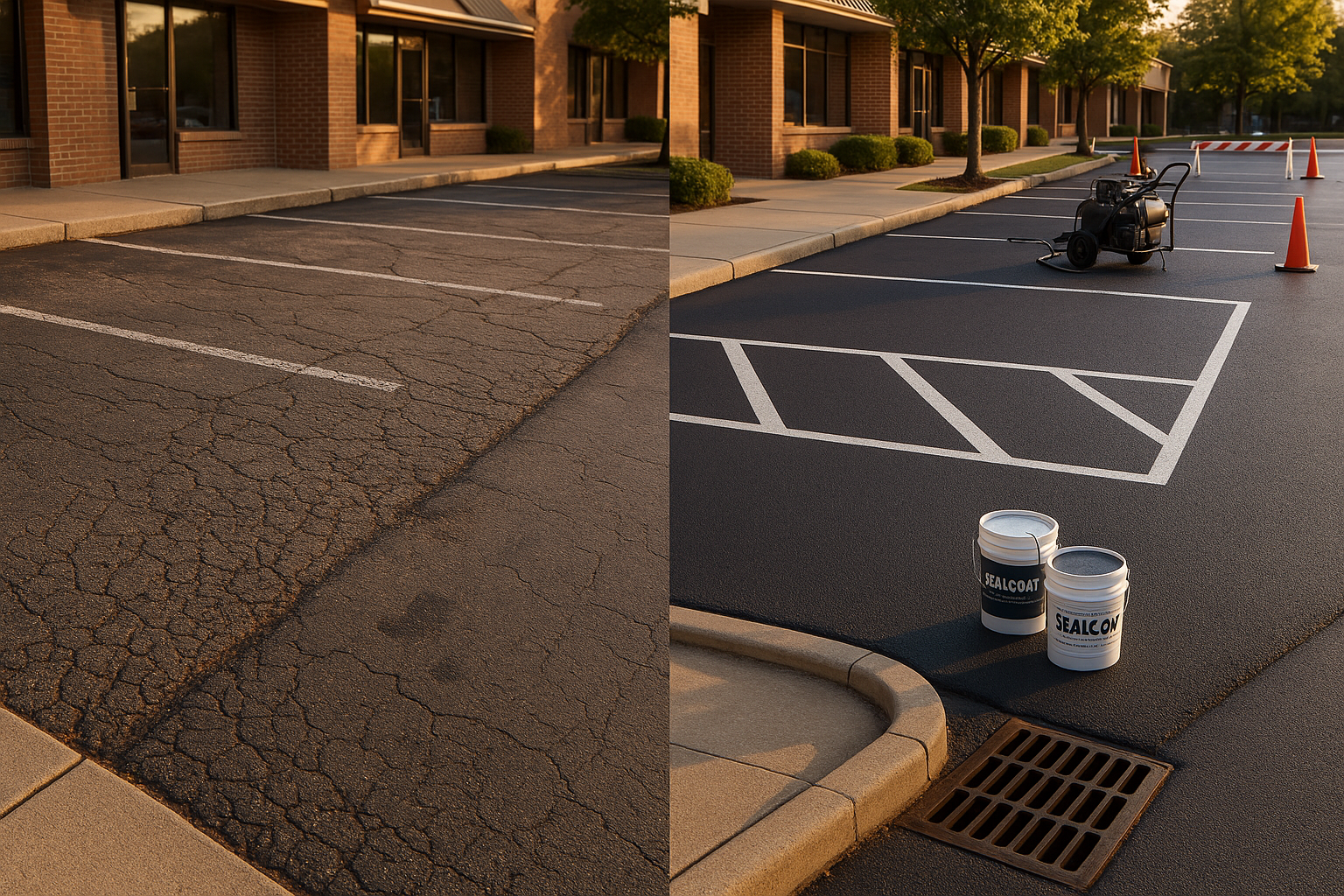
Fresh asphalt is full of oils that make it flexible. Over time, those oils rise to the surface and evaporate. That's what turns the driveway from shiny black to a matte darker gray. If you seal too early—say, after only 30 days—you trap those oils underneath. The sealer can't bond, and you get peeling, scuffing, and a mess that looks worse than if you'd done nothing. That's why most paving pros around Indianapolis tell you to wait at least 90 warm days. But that's a minimum, not a guarantee. For a typical residential driveway in places like Carmel or Greenwood, 6 to 12 months is more realistic. The exact time depends on how thick the asphalt was poured, the mix design, and how hot the summer gets. So the general rule for when to seal a new asphalt driveway in Indianapolis is: wait until the asphalt has oxidized, not just until a certain number of days.
When Is the Best Time to Seal Around Indianapolis?
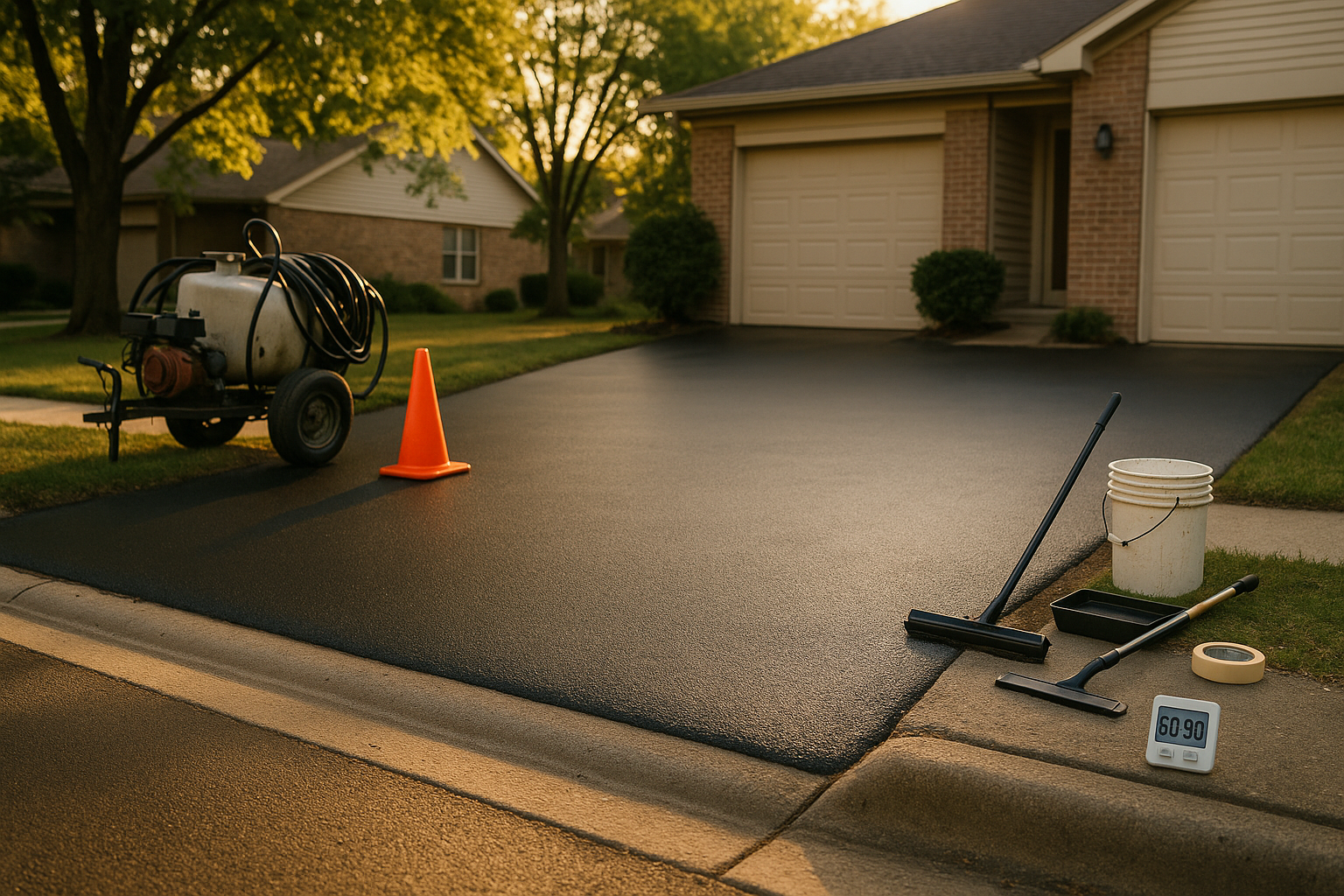
In Indiana, the sealcoating season runs from late May through September. Why? Because sealer needs warm pavement to dry right. The pavement temperature should be at least 50°F and rising—ideally between 60 and 90°F. If it's too cool, the sealer takes forever to dry and might not cure correctly. If it's blazing hot, it can dry too fast and leave roller marks. You also need a dry surface and no rain in the forecast for about 24 hours after application—longer if it's humid (and let's be honest, summer in Indy can be sticky). Those late-afternoon thunderstorms are a real concern. So if your driveway was paved in April or May, it might be ready by late August or September. That's a perfect window. If you got it paved in August or later, don't rush it. Let it go through winter and seal it the next late spring or early summer.
How to Tell If Your Driveway Is Ready
Forget counting days. Look at the surface. New asphalt is glossy black. As it cures, it fades to a dark gray or even brownish-gray. That color change is oxidation happening. Also, the surface shouldn't feel tacky or soft on a hot day. If you walk on it, your shoes shouldn't leave marks (or at least only very light scuffing). Another test: sprinkle a little water on the driveway. Does it soak in quickly, or does it bead up like water on a waxed car? If it beads heavily, the oils are still sealing the surface from within. If it wets out and darkens the asphalt, it's ready. If you're trying to figure out when to seal a new asphalt driveway, the water test is your best friend. A brand-new driveway might still look black after six months, but if water beads, wait longer. This is the most common mistake people make—they think black means not ready, but actually the surface can be black for months after paving. Trust the water test.
But What About Cracks and Prep?
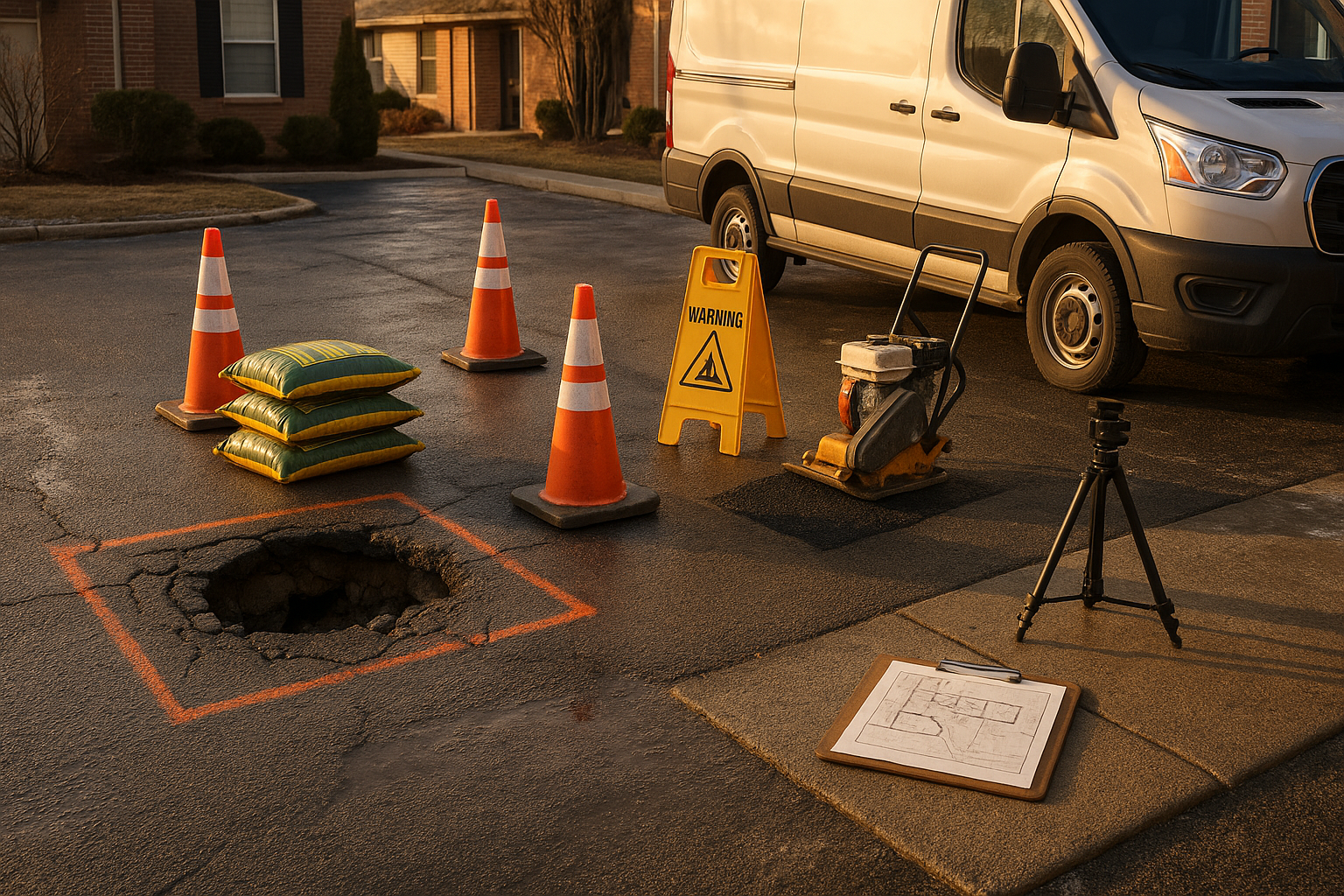
If you waited through a winter, you might notice some hairline cracks. That's normal—Indiana's freeze-thaw cycles and snow plows can open small cracks even in new asphalt. Before you seal, those cracks need to be filled with a proper crack sealant. Not the stuff in a squeeze bottle from the hardware store. A professional can apply hot-pour rubberized crack sealer that flexes with the pavement. Also, you need a clean surface. No dirt, leaves, or grass clippings. Especially in tree-lined neighborhoods like Zionsville or Westfield, shade slows down curing and debris collects on the driveway. We'll edge the driveway, trim any grass, and treat any oil spots (like from a leaky car) with a primer. And we'll mask off adjacent concrete, pavers, and landscaping so you don't get sealer where it shouldn't be. Check out our guide to crack sealing in cold weather if you're planning to wait until spring but have some cracks already.
DIY vs. Professional: The Mess, Downtime, and Cost
I get it—a bucket of sealer from the hardware store costs about $30. A professional job might cost a few hundred dollars for an average driveway in Indianapolis. But consider what you're getting. A pro will use a squeegee or spray system to apply two thin coats, not one thick one. Two coats give a more even, longer-lasting finish on a first seal. They'll also handle the prep work—cleaning, crack filling, edging. Doing it yourself takes a whole weekend, and if it rains before the sealer cures, you'll have a streaky mess. Downtime? After sealing, keep foot traffic off for 6 to 12 hours. Cars should stay off for 24 to 48 hours—longer if it's humid or the driveway is in shade. That's about the same whether you do it yourself or hire someone, but a pro won't leave puddles or roller lap marks. For a clearer picture on local pricing, take a look at our driveway sealcoating cost breakdown for Indianapolis.
Plan Your First Sealcoat Now (Before Winter)
If your driveway was paved this spring or early summer, late August or September is your sweet spot. The pavement has had enough warm days to oxidize, the weather is still warm enough for the sealer to cure, and you'll get it protected before the first hard freeze. If it's already October and your driveway was paved in July, you might be better off waiting until next May. Sealing in the fall is possible, but falling leaves and cool nights can mess up the finish. Plus, if the sealer doesn't cure before freezing temps arrive, it can fail. The goal is to get that first seal on as soon as the driveway is truly ready, so it can handle a winter of salt, plows, and freeze-thaw cycles. If you're not sure whether your driveway is ready, don't guess. We'll come out, take a look, and tell you straight. We'll help you decide exactly when to seal a new asphalt driveway based on your specific conditions. It's a quick service call, and even if it's not time yet, we can schedule you for the right window. Request a driveway readiness check and a clear, itemized quote.
Ready for a free lot assessment?
We walk the lot, photograph the problems, and hand you a written plan — no pressure, no obligation.