Last October, I got a call from a homeowner in Fishers. She'd spent the weekend staring at the long, jagged cracks running through her asphalt driveway—the kind that snakes from the garage to the street like a dry riverbed. She knew she needed to seal them before winter, but every time she checked the weather it seemed too cold, too wet, or too windy. She asked me, 'Is there ever a right time to do this in Indiana?' And that's the question I hear most from folks in Carmel, Greenwood, and all around Indianapolis. The answer isn't just about the air temperature—it's about the crack sealing temperature.
Here's the thing: crack sealing isn't a DIY guessing game. It's a science with a narrow window of perfect conditions. Miss that window and you're not just wasting money—you're setting yourself up for bigger cracks next spring. Let me break down what actually matters when it comes to sealing cracks in Indiana.
Three Temperatures You Can't Ignore
Most people look at the forecast and think, "It's 55 degrees—perfect day to seal the driveway." But there are actually three temperatures at play, and only one shows up on your phone's weather app.
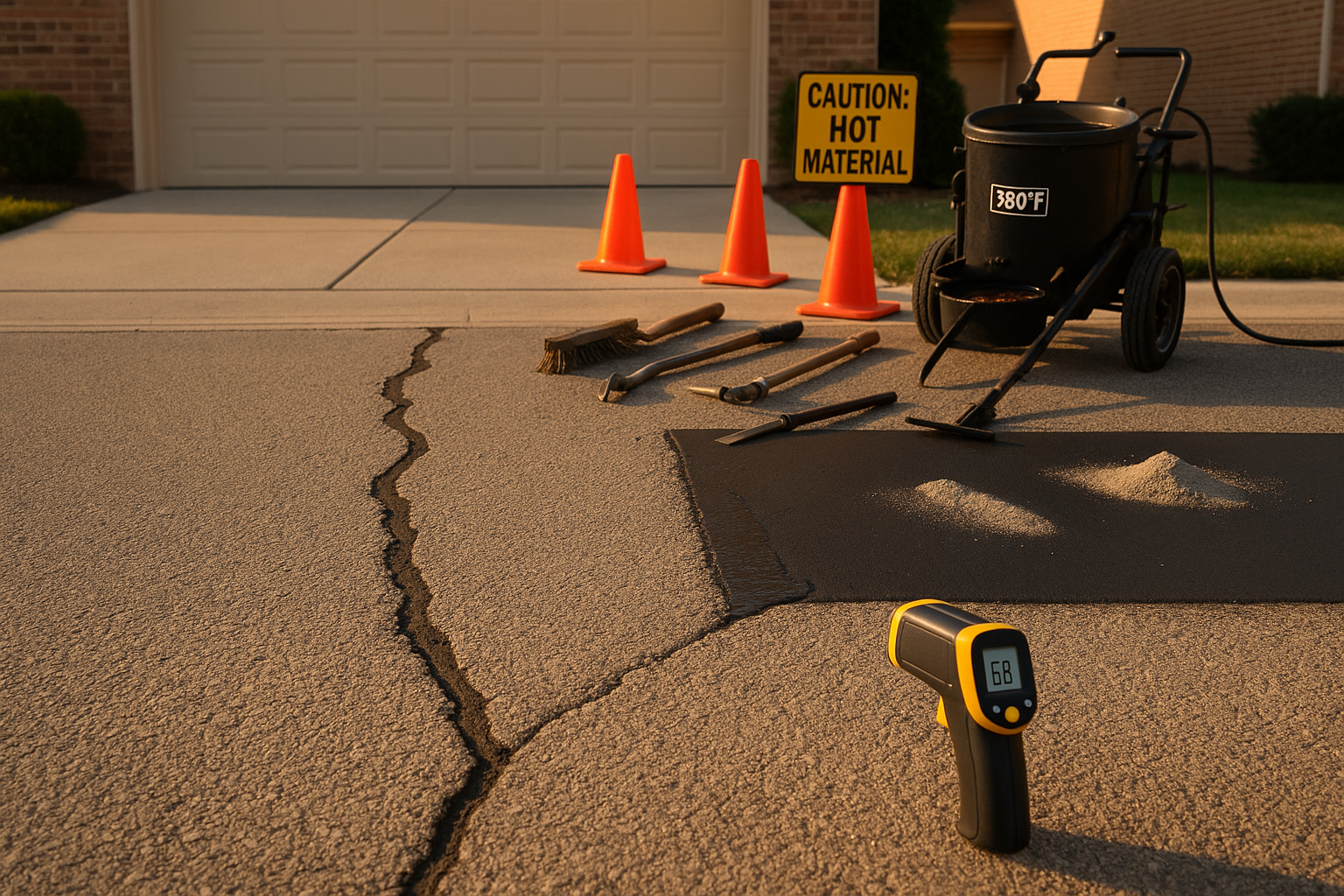
First, the air temperature. That's easy. Second, the pavement temperature. Your asphalt soaks up sun all day. On a 55-degree spring afternoon, a dark driveway might be 75 degrees. On a 95-degree July day, it could hit 140. That's why we don't go by the weather app—we use an infrared thermometer on the actual surface. Third, the material temperature. Hot-pour rubberized crack sealer runs through a kettle at around 375 to 400 degrees Fahrenheit. If the kettle is too cold, the sealer won't flow into the crack. Too hot, and it breaks down and loses flexibility.
For the best bond, we look for a pavement surface between 50 and 80 degrees. We can work above 40 degrees if it's rising and the pavement is dry. Below 40? No go. The sealer won't grab the crack walls properly, and you'll end up with a peel-out come spring.
Why Spring and Fall Are the Real Crack Sealing Seasons in Indiana
Indianapolis sits in a weird weather pocket. We get hot summers, cold winters, and two short windows in between that are just right. Mid-April through early June, and then again from late August to mid-October—those are your sweet spots for crack sealing temperature and overall conditions.
Summer sun can turn a black parking lot into a frying pan. At 120-plus degrees, the sealer stays soft too long and tires can track it all over the place. Winter is even worse. Cold pavement means no adhesion, and the freeze–thaw cycles we get every January and February will undo any cheap fix by March. Plus, once the deicers come out, salt finds its way into every open crack and eats at the base. If you've got cracks right now, check out our piece on salt and deicer damage to pavement to see why waiting is a risk.
Fall is also tricky because leaves and wind can mess with a clean surface. We've learned to clear a 12-inch swath around each crack before routing or sealing. A north-facing driveway in Zionsville with a big oak overhead might stay wet until lunchtime, while a sunny lot in Avon is bone dry by 10 a.m. That's why we schedule site visits, not just dates.
If you're thinking about the full fall checklist for your lot, we wrote about that too.
What Goes Into a Proper Crack Sealing Job
Crack sealing is more than squirting black goo into a gap. We start by assessing the crack. If it's a working crack—meaning it opens and closes with temperature changes—we may rout it first. Routing cuts a clean reservoir along the crack edges so the sealer has a better grip. Then we clean the heck out of it: wire brushes, compressed air, and often a hot-air lance to chase out every bit of dust and moisture. A dry, clean crack face is non-negotiable.
After prep, we run a premium rubberized hot-pour sealant that meets ASTM D6690 Type II or III. That's just a fancy way of saying it's designed to flex with the pavement instead of cracking apart. We apply a controlled overband—about a half to three-quarters of an inch wide—and then squeegee it smooth. On warm days, we might dust the fresh seal with a light blotting sand so shoes and tires don't track it onto floors or driveways.
A property manager in Broad Ripple once told us his lot had cracks that kept coming back after a cheap cold-pour fix. The stuff peeled out in a month. We came in, routed the worst ones, cleaned them out, and filled with the rubberized sealer. Two years later, still holding. That's the difference between crack filling and crack sealing—and why patches sometimes pop out.
After we finish, most driveways and parking lots can reopen in 30 to 60 minutes, depending on shade and pavement temperature. We cone off the area and use signage so nobody drives through too early.
When We'll Reschedule (And Why That's a Good Thing)
We've had to call off jobs at the last minute because the overnight low dipped below 40, or a pop-up storm rolled through Noblesville, or a shaded court in Westfield stayed damp until 2 p.m. That's not us being difficult—it's us protecting the bond.
Here's what makes us say no: rain within 12 hours, standing water or active dew on the surface, pavement temp below 40 or above 95 with high UV, winds over 15 mph that blow dust into the cracks, or an overnight forecast near freezing right after application. We watch the 48–72 hour weather window before we ever fire up the kettle.
If conditions turn sour the morning of the job, we'll call you and reschedule. It's a simple go/no-go call based on what the pavement tells us, not what the calendar says.
Quick Answers to Common Indiana Crack Sealing Questions
Can you seal cracks in winter if the sun is out? Nope. Even on a sunny 35-degree day, the pavement never warms enough for proper adhesion. You'd get a temporary black line that flakes off by spring.
How long before I can drive on freshly sealed cracks? Usually 30 to 60 minutes. In shaded areas or on cool days, we might ask you to wait a little longer. We'll tell you before we start.
Is DIY cold-pour sealer just as effective? Not even close. Cold-pour is like putting a band-aid on a cut that needs stitches. It hardens and cracks out within months. Hot-pour rubberized sealer moves with the pavement and lasts years.
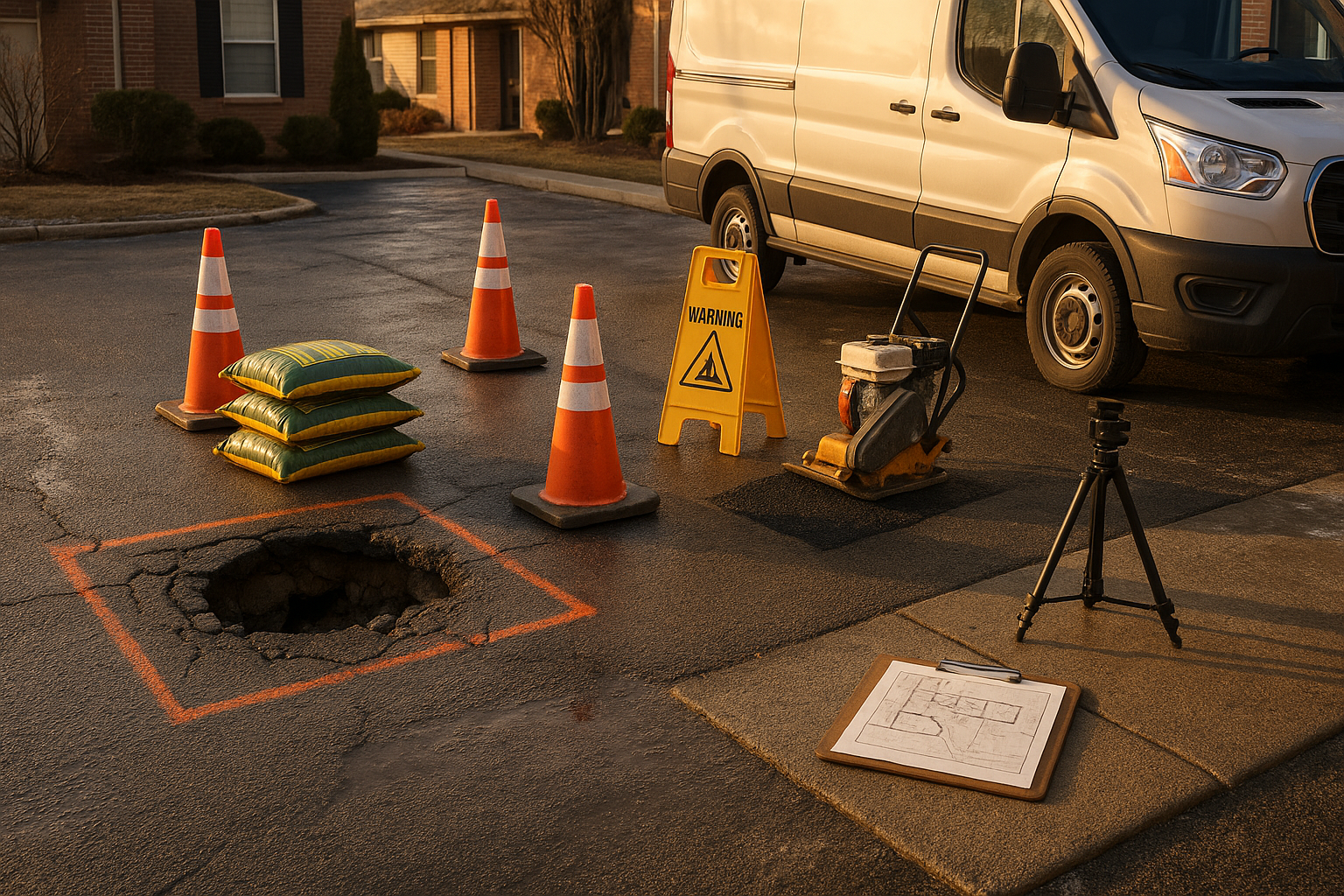
Will sealing fix alligator cracking and potholes? No. Alligatored areas mean base failure—you need patching or repaving first. Sealing is for linear, defined cracks that move. We'll tell you the difference when we inspect.
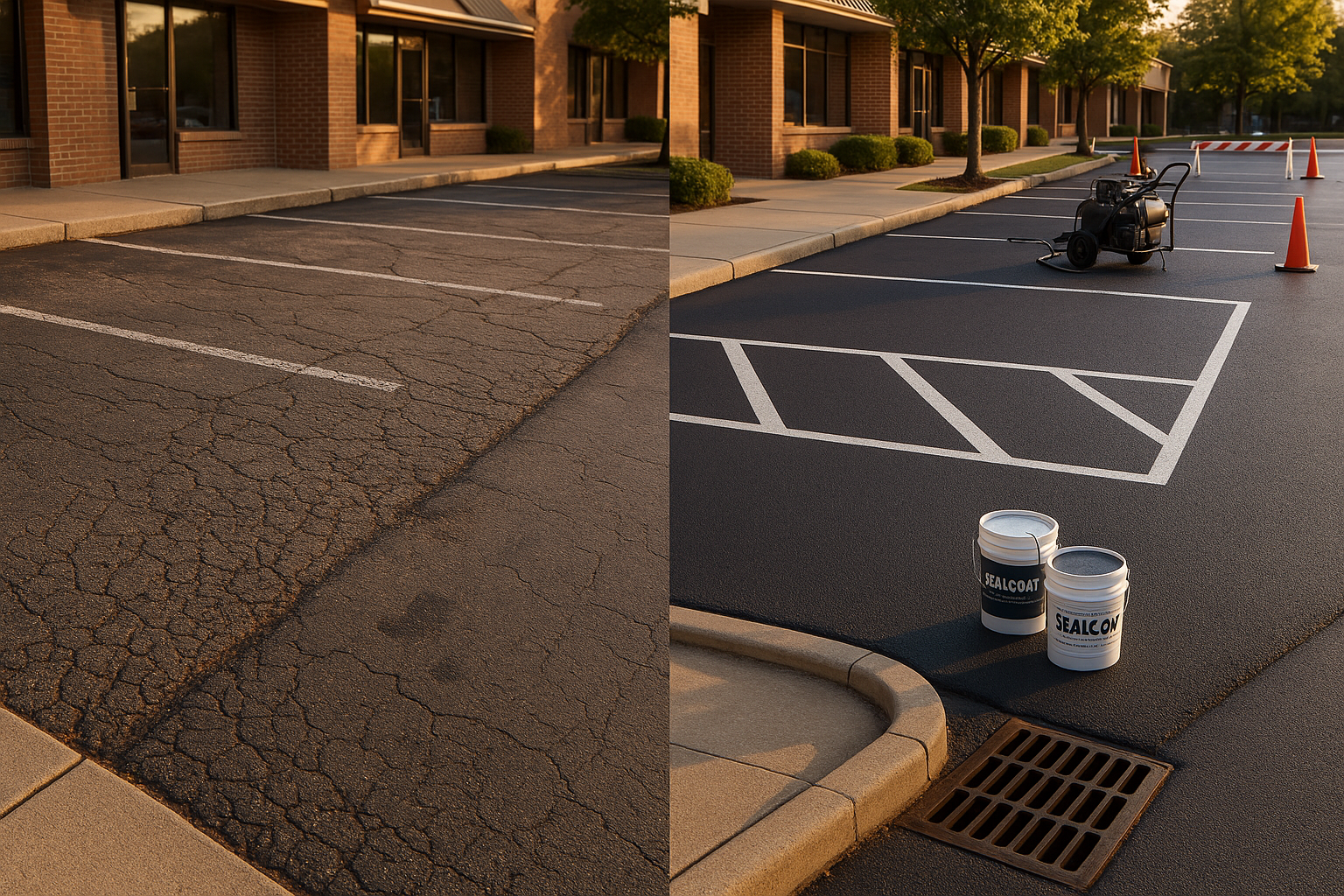
For more on what sealing can and can't do, check out our blacktop driveway sealing guide.
If you're tired of guessing about the crack sealing temperature on your own driveway or parking lot, give us a shout. PavementPros will come out, check the pavement temp with an infrared thermometer, clear out any debris, and give you a straight answer on timing, materials, and cost. No pressure, no jargon. Just a plan that works for your place in Indianapolis—whether you're in Carmel, Westfield, Noblesville, or anywhere else in the metro. Click here to schedule your free on-site check.
Ready for a free lot assessment?
We walk the lot, photograph the problems, and hand you a written plan — no pressure, no obligation.