Back in spring, a buddy of mine in Fishers pulled into his driveway after a week of heavy rain and his truck sank right up to the axles. Again. He'd had that gravel driveway for years—topped it off every couple seasons, but the mud always won. He called me, half-laughing, half-cursing: "I'm done. Can you just pave over this mess?" The short answer? Not without some serious prep work. But the long answer is what he needed to hear, and it's what will save you money and headaches if you're looking at a gravel to asphalt conversion.
What's Going On Under That Gravel?
You might think the gravel you've got is a base. Sometimes it is—if it was put down right. But around here, most gravel drives were never built like a real road. They were just dumped on top of whatever was there. That might be decent fill, or it might be that sticky Indiana clay that turns to soup when wet, then bakes into brick when dry.
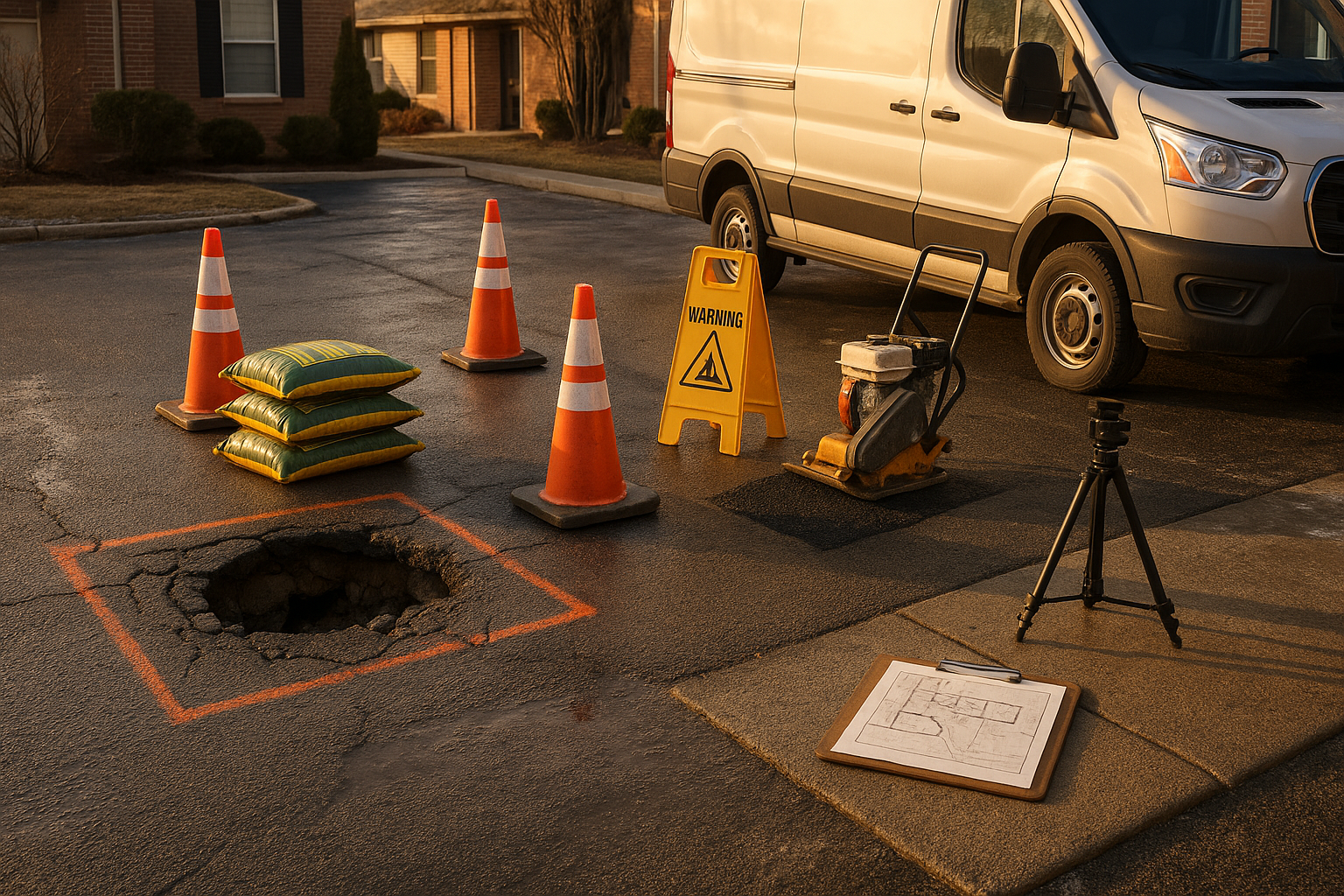
Before any paving happens, we've got to find out what's really down there. We proof-roll the area—basically drive a heavy roller over it and watch for soft spots that pump or squish. Those weak areas get dug out and replaced with compacted aggregate. Over clay, we often lay down a geotextile fabric. It's like a tough blanket that keeps the stone from sinking into the clay and keeps the clay from oozing up into your new asphalt. That's a big deal for freeze-thaw cycles here. Without it, you'll get those alligator cracks and potholes in a few years. That's what happened to my friend's neighbor over in Carmel—skip the fabric, pay twice later.
Drainage and Grading: Water's Gotta Go Somewhere
Gravel soaks up water, so you never really notice how badly your lot drains. Asphalt doesn't soak up anything. If the grade sends water toward your garage or foundation, you'll know it fast. That's why we establish a crown or a cross-slope of about 1.5 to 2 percent. So water runs off to the sides, not puddle in the middle or pool by the house.
Most conversions need swales—shallow ditches that carry water away. Some need a new culvert under the drive if you've got a ditch along the road. And for commercial lots, we might add a catch basin or tie into existing drainage structures. If you've ever seen a parking lot after a thunderstorm in Avon or Plainfield, you know why this matters. Water finds the low spot. Your new asphalt shouldn't be that low spot. We can help you with drainage details in this article on catch basin repair and parking lot drainage.
How Thick Does the Asphalt Need to Be?
This isn't a one-size-fits-all. For a plain residential driveway that only sees cars and maybe a light pickup, a typical section might be a couple inches of hot mix asphalt over a properly compacted stone base. But if you've got a long driveway, or you get regular delivery trucks, or you've got a small business lot, you need more. We might spec a thicker base and a binder course underneath the surface layer. Think of it like building a sandwich—the bread is your stone base, the meat is the binder, and the surface course is the nice crust that seals it all together.
We use hot mix asphalt made with aggregate blends designed for Indiana's winters. That's the stuff that survives dozens of freeze-thaw cycles without falling apart. And we compact each lift properly. You want it plow-safe—snow plow blade skimming over, not tearing up the edges. If you've ever borrowed a neighbor's plow and left a strip of asphalt in the yard, you know what I mean.
Edges and Street Tie-Ins: The Details Nobody Thinks About
Your new asphalt needs a strong edge. Otherwise it starts to unravel at the sides, and that looks worse than gravel. We usually install a crushed stone shoulder along the edges—it gives support and keeps grass from creeping in. And where your driveway meets the street, you've got to follow Indianapolis DPW standards for the apron. That's the part in the right-of-way. Some HOAs in Zionsville or Westfield have their own rules too, so it's worth checking before you dig.
If you're converting a commercial lot, transitions at sidewalks and ADA ramps matter. We've done plenty of asphalt repairs with infrared technology for seamless patches, but for a full conversion, we build those transitions right the first time.
So What Does It Cost, and How Long Will It Take?
Here's the honest answer: more than just dumping a new layer of gravel, less than you'll spend patching and re-graveling for the next decade. The price depends on square footage, how thick we go, how much base repair you need, drainage structures, and access constraints. We don't pad quotes. We come out, look at your site, and give you a line-item proposal. No surprises.
Timing matters. The best paving window is May through October. We can do base work earlier if the ground dries out, then top-lift later. And you're not locked out forever—on a typical residential drive, you can usually walk on it the next day and drive on it within 24 to 48 hours. Full cure takes a bit longer, but you're not camping in the street.
Let's Bust a Few Myths
"Can't you just pave over my existing gravel?" No. You need proper compaction and a stable base. Paving over loose gravel is like putting new siding on a rotten frame. It won't last.
"Do I need a permit to convert my driveway?" Often yes, especially if you're touching the street apron or right-of-way. We help you figure out what the city or county wants.
"Can you reuse my existing gravel?" Sometimes. If the gravel is clean and the right size, we can incorporate it into the base. That can save you money.
"Will winter installation ruin the asphalt?" We generally don't pave when it's freezing. But if you need to get on the schedule, we can phase the job and do the top lift in spring.
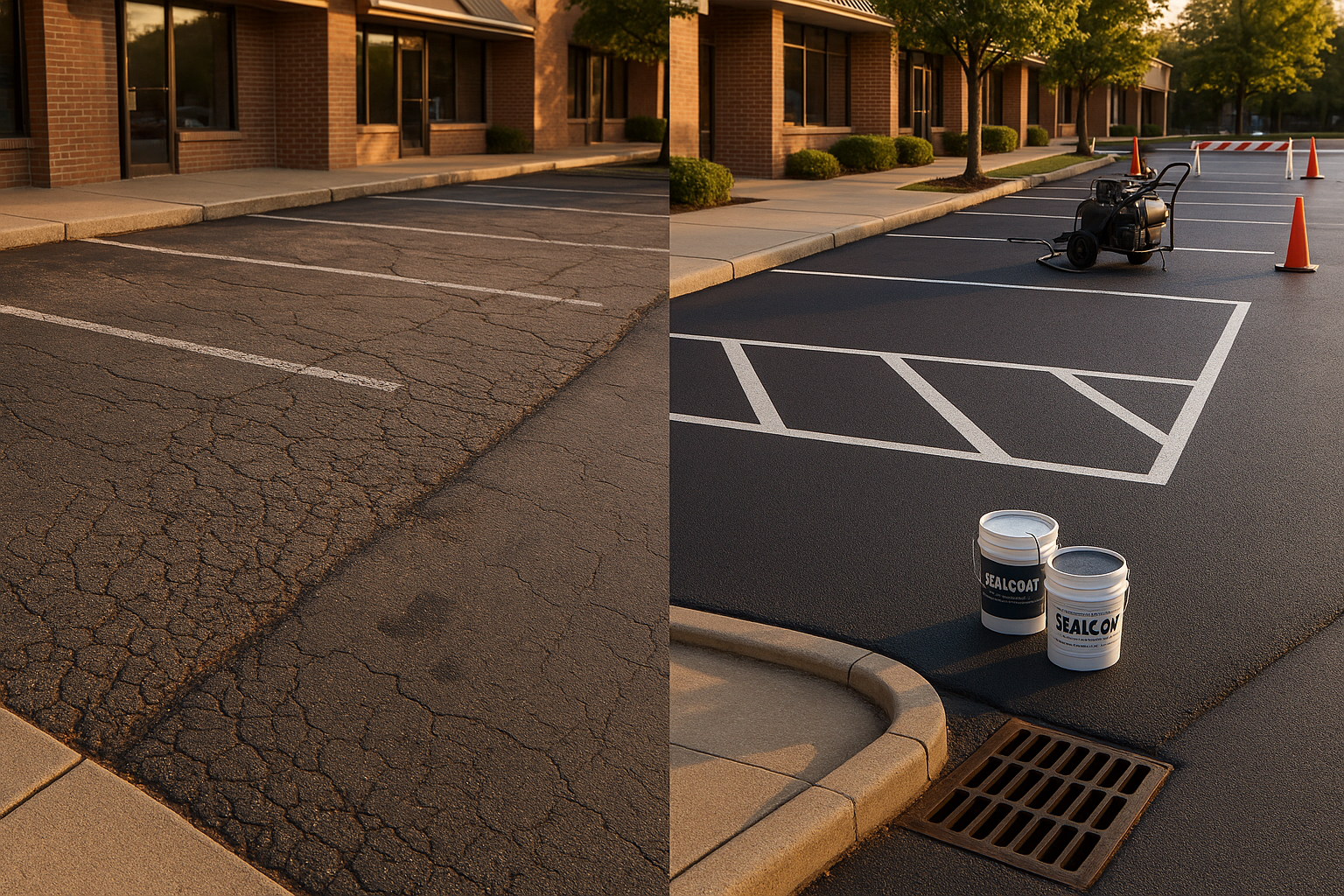
"Do I have to sealcoat right away?" Wait about a year, then sealcoat. After that, every 3–5 years, plus crack sealing when needed. It's a lot less maintenance than raking gravel every spring.
Why Make the Switch?
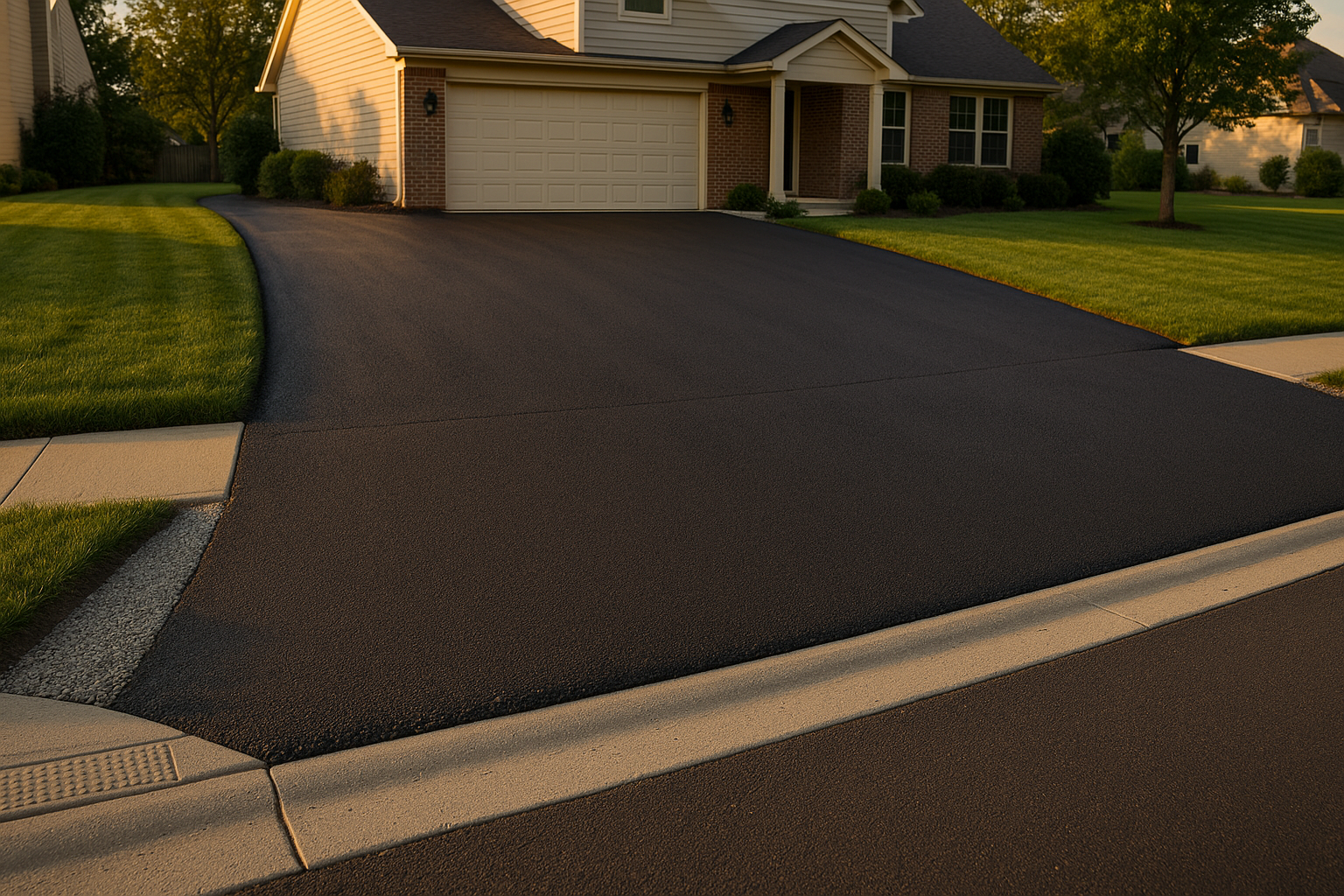
A gravel lot has its charm, but it also has dust that coats your car, mud that tracks into your house, and ruts that swallow your mailbox. Asphalt gives you a clean surface that drains, plows easily, and looks like you actually care about your property. It also adds value—buyers in Noblesville and Brownsburg don't get excited about gravel.
If you're tired of the dust and the mud and the constant topping off, let's talk. We'll come out, look at your site, and give you a straight plan for a gravel to asphalt conversion that fits your lot and your budget. No pressure, no fluff. Just an honest assessment and a fixed-scope proposal. You can start by requesting a quote and we'll schedule a time to walk it with you.
Meanwhile, if you want to learn more about what happens to old asphalt or how we handle small repairs, check out our post on asphalt milling and recycling. It's pretty interesting stuff if you're into that kind of thing.
Ready for a free lot assessment?
We walk the lot, photograph the problems, and hand you a written plan — no pressure, no obligation.