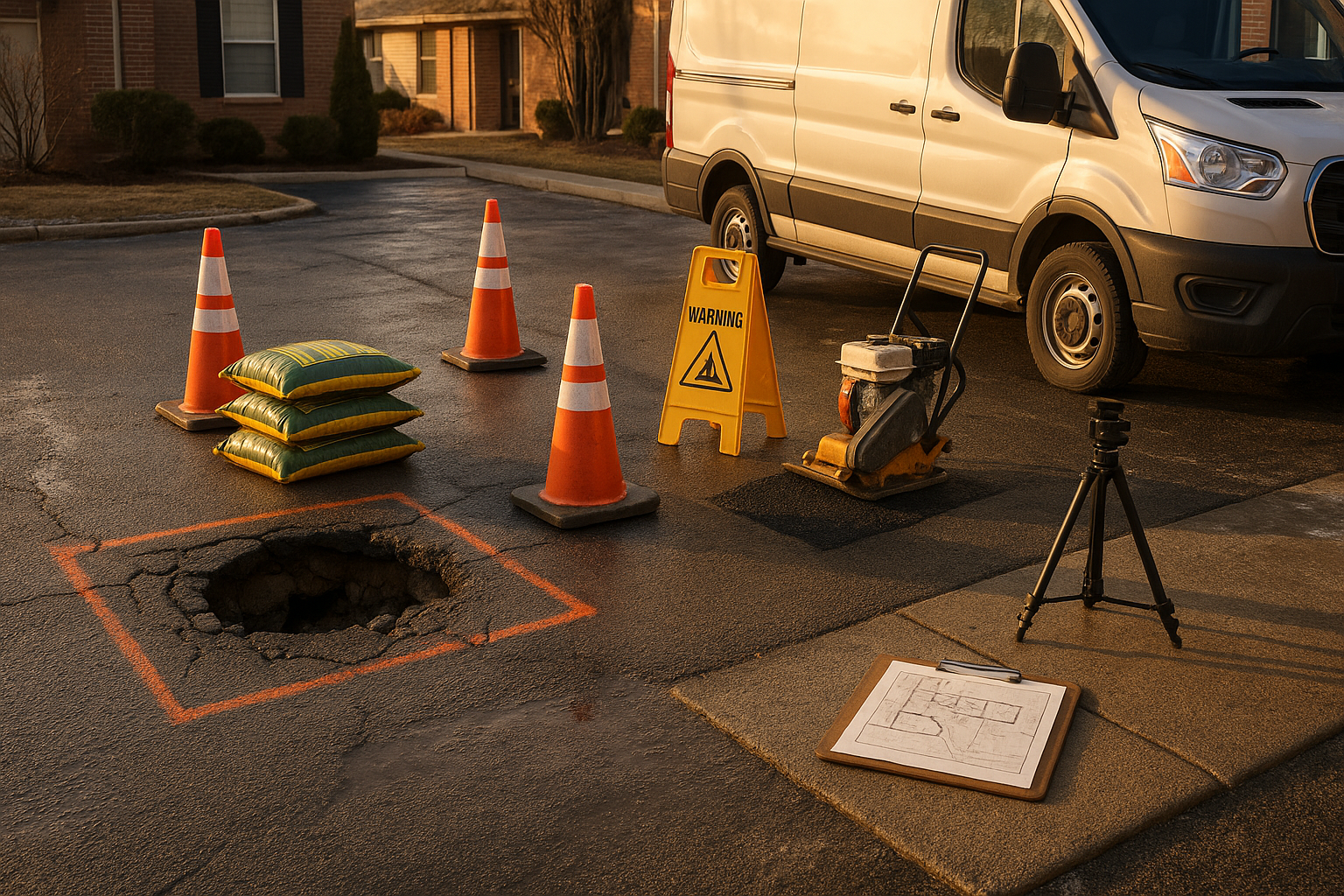
Jerry owns a dry cleaner in Broad Ripple. Last fall he stood in his parking lot, staring at a crack that was barely a half-inch wide. "Next spring," he said. That winter, the freeze-thaw cycles did what they always do — widened it into a canyon, let water in, froze again, and popped a pothole the size of a dinner plate by February. The eventual fix? A full-depth patch, plus base repair, and a frustrated call to his accountant. What would've been a few hundred dollars in crack sealing turned into a few thousand. And that's the distilled, unvarnished reality of reactive vs. preventative pavement maintenance.
The Domino Effect of Waiting
Preventative pavement maintenance isn't a fancy phrase for "extra spending." It's a program: seasonal inspections, crack sealing, sealcoating, patching, restriping, and keeping water moving where it's supposed to go. The goal is to handle the small stuff before it becomes the big stuff. When you skip it, water gets into the base through tiny cracks, freezes, expands, and blows apart the asphalt from underneath. A single pothole is just the visible part of a much larger failure. And here in Indianapolis, with clay-heavy soil that holds moisture like a sponge, that failure spreads fast.
I hear this from facility managers in Fishers and Carmel all the time: "We just need to get through one more winter." But winter is exactly what your pavement can't survive without help. Deicing salts and snowplow blades chew up surfaces that are already stressed. By March, what started as surface oxidation is a network of alligator cracks and ponding areas. That's when the real invoices start rolling in.
What Preventative Maintenance Actually Looks Like
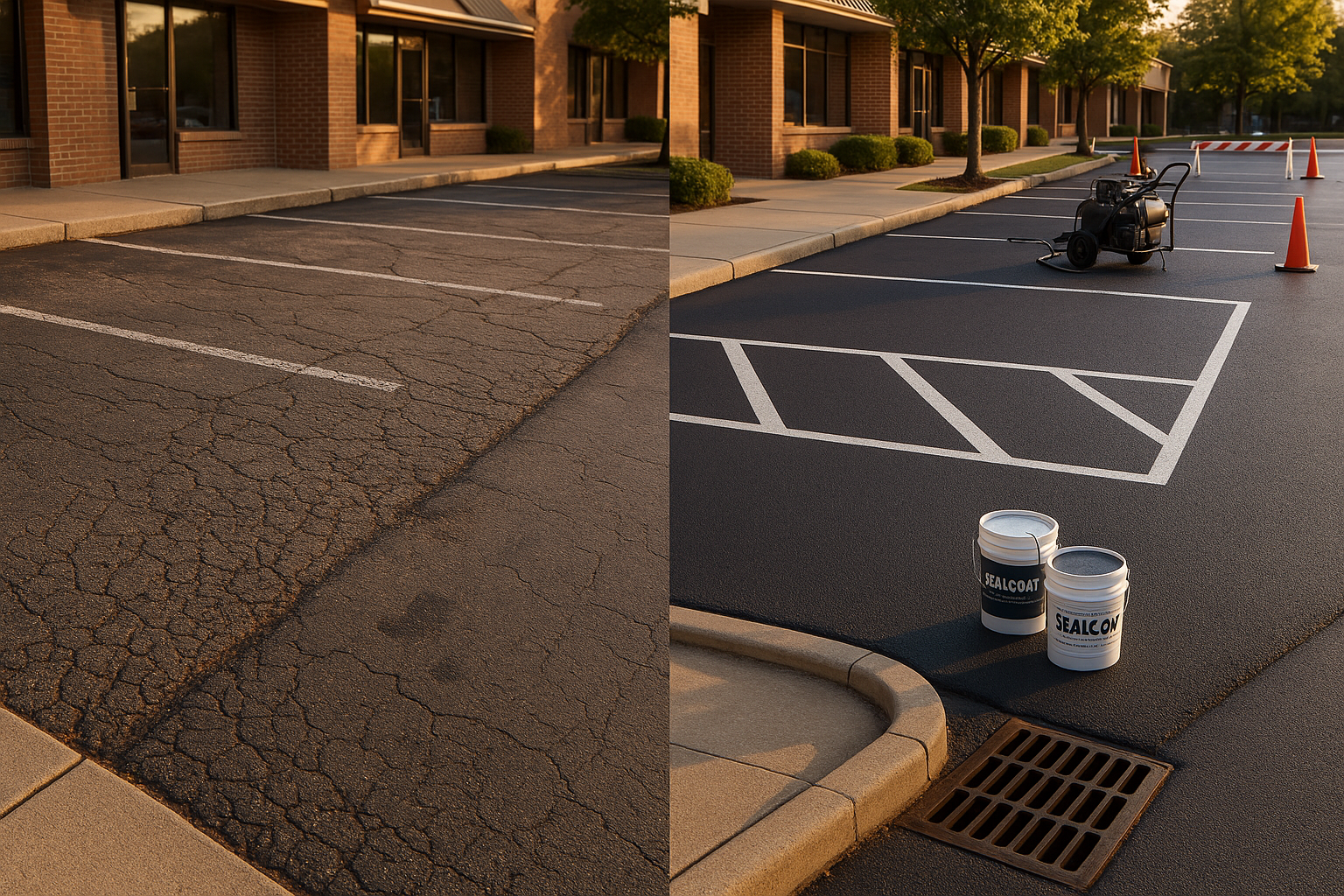
The core of any asphalt preventative maintenance plan is pretty simple. Regular sweeping, so debris doesn't grind into the surface. Hot-applied crack sealing — not the cold-pour stuff from the hardware store that fails in weeks — done before water gets to the base layer. Sealcoating on a cycle that matches your traffic, usually every two to three years for most commercial lots, which fights off UV rays, oil drips, and oxidation. Targeted patching for the spots that already failed, and fresh striping so the lot doesn't look like a ghost town.
But here's the part most people skip: drainage. Standing water is asphalt's worst enemy. Clogged catch basins, settled areas, or curbs that don't direct water to drains — these all cut your pavement's life in half. A proper maintenance check includes clearing those drains and checking slopes. (This is one of those things that's not flashy, but it's the difference between a lot that lasts and one that crumbles.) We do a lot of catch basin and drainage repair in Greenwood and Avon where older lots were built before modern stormwater rules.
Timing is Everything in Indianapolis
Central Indiana weather doesn't care about your budget calendar. The best crack sealing gets done in early fall or late spring, when pavement is warm but not hot and rain isn't constant. Sealcoating needs dry weather and overnight lows above 50 degrees — so we commonly schedule that May through October. If you wait until November noticing cracks, you're already into the freeze-thaw danger zone. And once winter hits, salting and plowing make things worse. Every season that passes without attention means deterioration accelerates.
There's a counterintuitive point: starting a maintenance plan in summer is smart, even if it feels late. Addressing drainage and sealing before fall rains gives you a leg up for the winter. I've watched a lot in Noblesville get sealcoated in September, then sail through January freezes without a single new crack. The nearby lot that deferred "just because it's late in the year"? It needed five patches by April.
The Hidden Savings Nobody Talks About
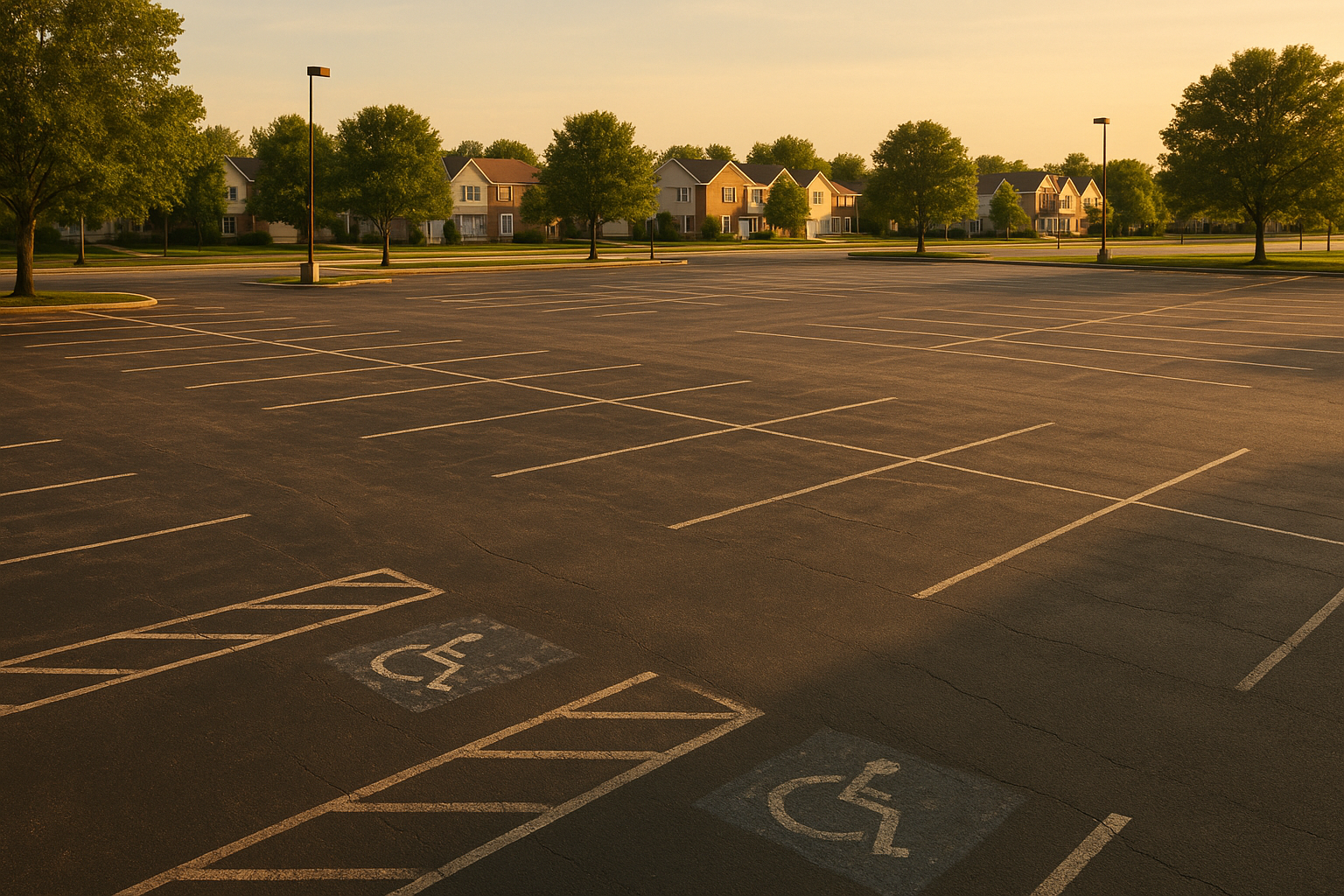
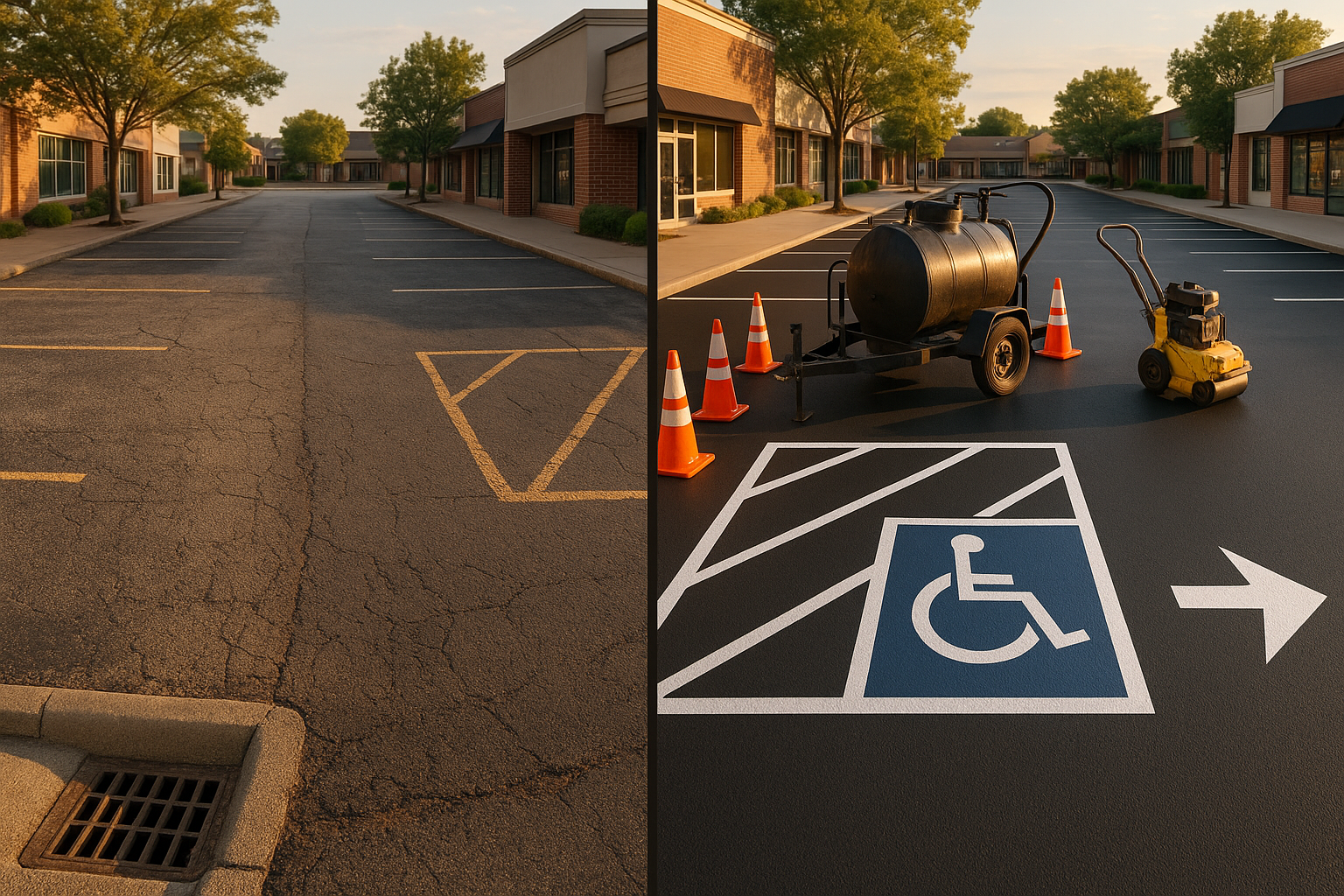
Beyond the direct repair costs, preventative pavement maintenance protects you in ways that don't show up on the initial quote. A well-striped, clean lot with clear ADA stalls and access aisles reduces liability. It tells your customers or tenants that you've got your act together. And when you phase the work properly — maybe doing half the lot at a time — the disruption to business is minimal. We've handled plans for retail strips where we worked Sunday nights, and Monday morning nobody even knew we'd been there.
There's also the cost of losing a day or more to major reconstruction versus a few hours for sealcoating and restriping. One church in Zionsville put off restriping for years; when we finally did it, they realized how dangerous their faded crosswalks had become. That's the silent liability. A fresh, crisp lot isn't just aesthetic — it's functional, compliant, and gets people where they need to go without guessing.
When It's Time for More Than a Patch
Sometimes, though, you've let things slide too long. If you're seeing alligator cracking across more than 20% of the lot, or you've got areas that chronically hold water even after drain cleaning, you're likely looking at a structural issue. Base failure can't be fixed with surface treatments. That's when you need a heavier resurface or even a reconstruction. A good contractor evaluation will tell you honestly, and a written maintenance plan from PavementPros maps out what needs immediate attention and what can wait — no scare tactics, just a transparent schedule.
Ready for a Smarter Plan?
If you're tired of surprise potholes or the annual scramble to "just get it done before winter," it's worth a conversation. We don't do high-pressure sales. Instead, we'll walk your lot with you — anywhere from Indianapolis to Plainfield, Brownsburg to Westfield — and show you exactly what we see. Then we'll hand you a prioritized, phased maintenance plan that fits your budget and your calendar. It's the kind of clarity that turns a stressful expense into a predictable line item. And that's the whole point of preventative pavement maintenance: you call the shots, not the weather. Reach out through our quote form and we'll set up a time that works for you.
Ready for a free lot assessment?
We walk the lot, photograph the problems, and hand you a written plan — no pressure, no obligation.