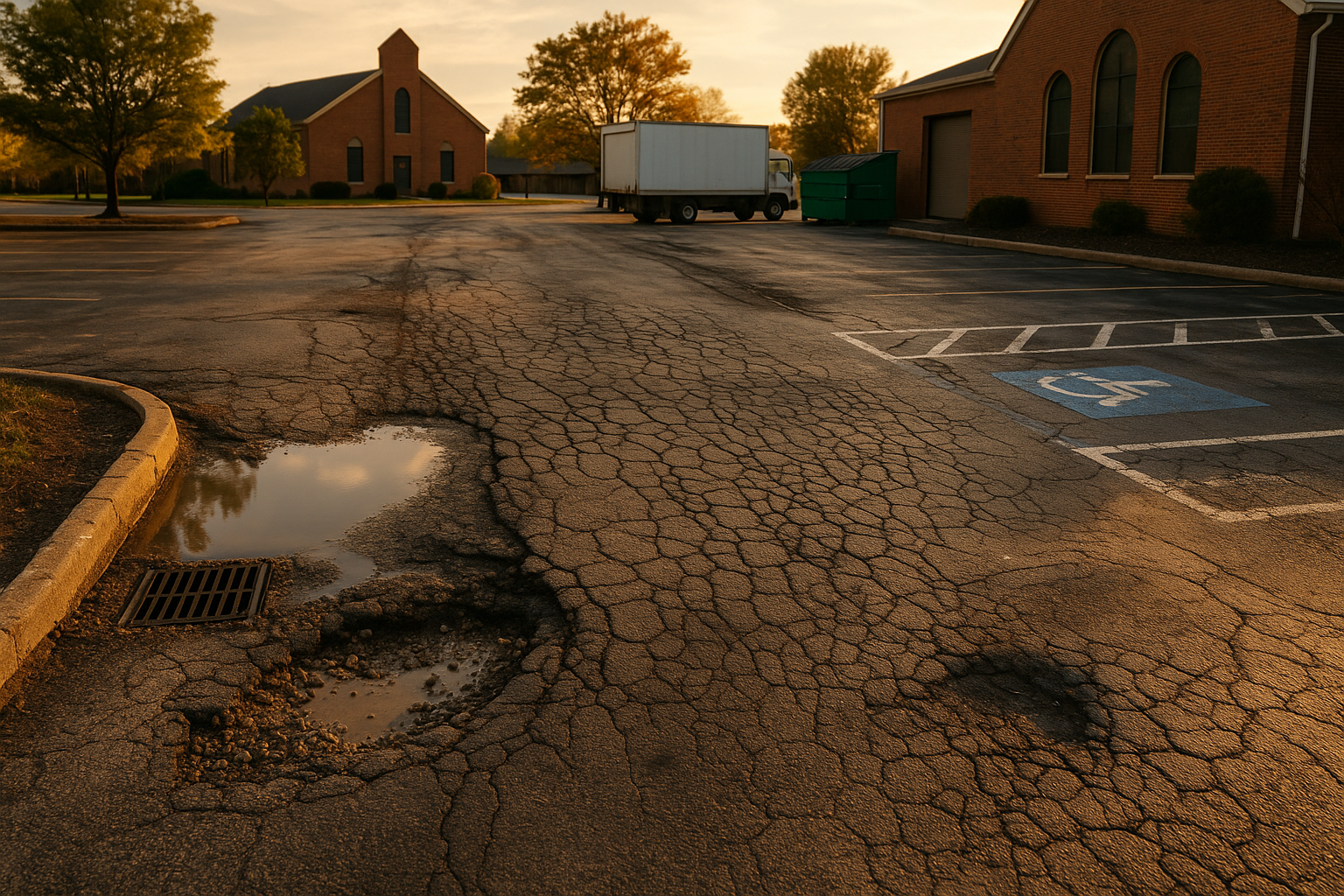
Last spring I got a call from a church admin in Fishers. She was practically in tears—every Sunday, elderly members were tripping over potholes in the lot. The deacons had tried patching with cold mix from the hardware store, but after a few rains, the holes were back, bigger and meaner. She needed to know: why do potholes keep coming back in our parking lot? And more importantly, how do we stop them for good?
If you’ve got a commercial property anywhere around Indianapolis—from Carmel to Greenwood—you’ve probably asked the same thing. Chances are, you’ve already slapped some cold patch in the worst spots and called it a day. But here’s the thing: that’s like putting a Band-Aid on a leaky pipe. To really fix the problem, you’ve got to understand what’s happening under your feet.
The Real Culprit: Water and Our Crazy Midwest Weather
Potholes don’t just appear out of nowhere. They’re almost always born from water. See, asphalt isn’t like a solid concrete slab—it’s a little porous, especially as it ages. Tiny cracks open up from sun exposure, from oil drips, from just sitting there. Then it rains, or snow melts. Water seeps through those cracks and gets into the gravel base underneath. By itself, that’s not a disaster. But here in central Indiana, we get those classic freeze-thaw cycles that mess everything up.
When the temperature dips below freezing, that trapped water turns to ice and expands. It pushes up on the asphalt and weakens the base. Then when it warms up again, the ice melts, leaving a void. Now you’ve got a hollow spot just waiting to collapse. The next time a delivery truck or even a couple of SUVs roll over that spot, the asphalt cracks and falls in. Bingo—a pothole.
That’s the basic answer to why potholes form parking lot surfaces around here. It’s not just the cold; it’s the back-and-forth. And Indianapolis gets a ton of that. We can go from a hard freeze at night to a sunny 45° by afternoon, several times a winter. That’s prime pothole-making weather.
But water doesn’t only come from below. Flat areas in your lot—those birdbaths of ponding water after a rain—are trouble spots. If the drainage isn’t right, water just sits there and seeps in. Over in Brownsburg I saw a lot where a clogged catch basin created a mini-lake every spring. Within two years, that whole section was alligator cracking and then turned into a crater. Fixing the drainage had to happen before any patch would hold.
Other Troublemakers: Traffic, Plows, and Time
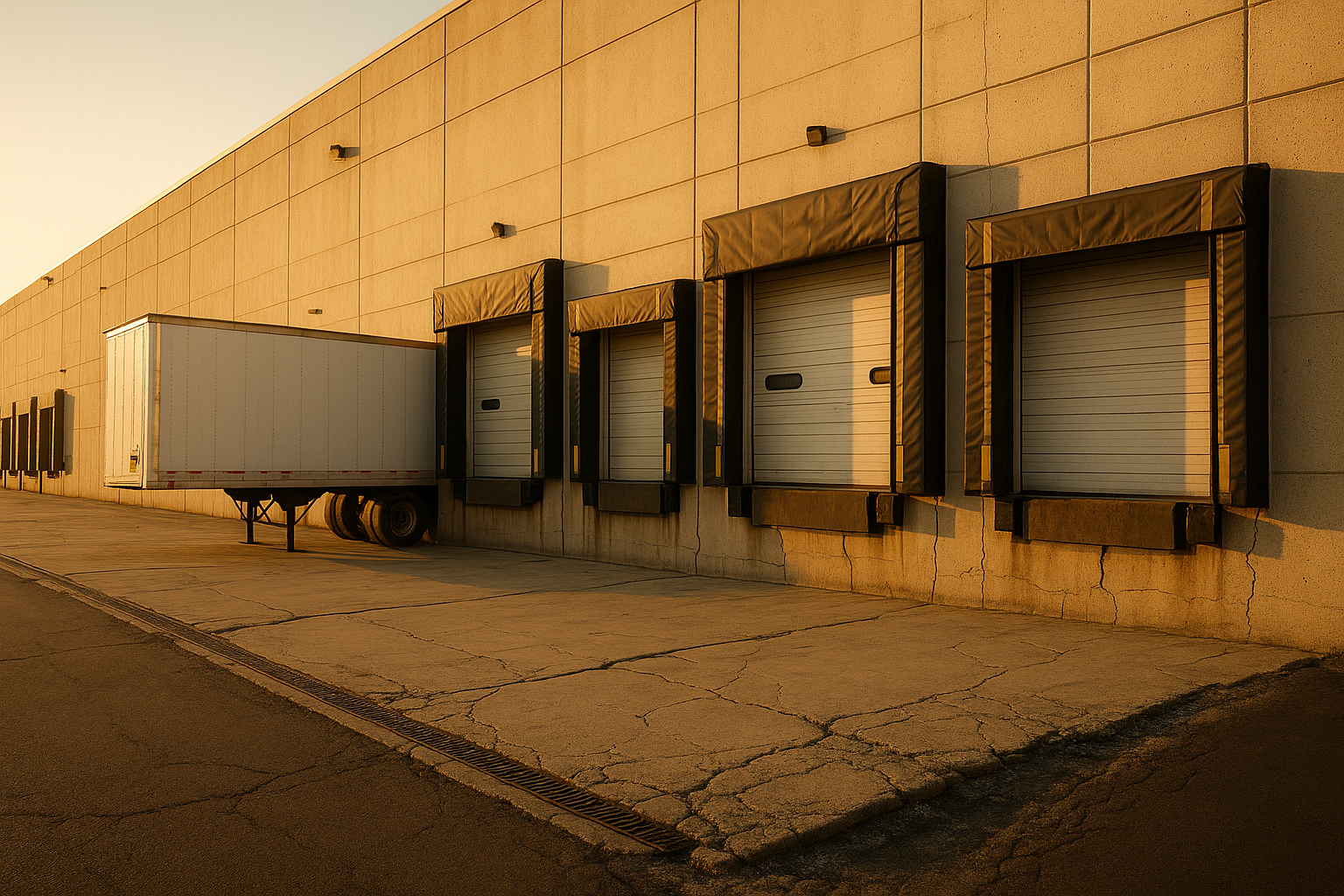
Water and freeze-thaw might be the main villains, but they’ve got helpers. Heavy traffic concentrates stress. The wheel paths in your lot—where cars and trucks drive over and over—get pounded. Semis pulling into a delivery zone off I-465? That twisting motion from turning wheels can tear up asphalt near dumpsters and loading areas. I’ve seen back corners of Carmel retail lots just disintegrate because a delivery truck makes the same tight turn every morning.
Then there’s winter damage from snow plows. A plow blade can catch the edge of a small crack and rip it wide open. Deicing salt and chemicals? They might melt ice, but they also eat at the asphalt surface, making it brittle. Oxidized asphalt from years of sun fades from black to gray and loses its flexibility, so it cracks easier. Everything works together to open up paths for water.
And don’t forget clay soil. Much of Marion County and the ’burbs sit on clay-heavy subgrade that holds water like a sponge. When that gets saturated, it loses strength. Your asphalt might look okay on top, but underneath, the base is turning to mush. That’s called base failure. You can’t fix that with a surface patch.
Fixes That Actually Last (and When to Do Them)
So you’ve got potholes. Now what? The right repair depends on how deep the problem goes.
For small, narrow cracks, crack sealing is your cheapest, fastest defense. It keeps water out of the base. Do it in dry weather, ideally before winter hits. Sealing is like giving your lot an umbrella. In fact, sealcoating every couple of years makes a huge difference. It’s not just cosmetic—that black coat slows oxidation and fills tiny surface pores so water has a harder time getting in. (Check out our comparison of sealcoating vs. doing nothing if you’re on the fence about the cost.)
When a shallow pothole forms but the base is still solid, a surface patch or infrared repair can blend new asphalt into the old, and you can drive on it almost right away. That’s great for quick fixes in high-traffic areas. But if you’ve got a deep hole, crumbling base, or alligator cracking—we’re talking full-depth patching. That means cutting out the bad asphalt and a chunk of the damaged base, compacting fresh stone, and putting in new asphalt. Yes, it costs more upfront, but it actually lasts. Unlike cold patch, which is basically a temporary plug. Far too many folks waste money on cold patch every spring when a proper repair would have solved it.
Timing matters here in Indy. Our best paving season runs from late spring through early fall. Winter repairs are tough because asphalt plants shut down when the temperature drops too low. But you can still plan ahead. Come spring, get an assessment of all the damage, map out the worst spots, and schedule repairs in a logical order. That way you’re not shutting down your whole lot at once. For example, you might fix the deepest holes in April, seal cracks and sealcoat in May, and restripe in June.
If your lot has more than a few potholes, and you’re seeing wide cracks and ruts, you might need a full-depth reconstruction or an overlay. That’s a bigger conversation, but it’s better than patching the same spots year after year.
Why Restriping Is Part of the Fix
After you’ve filled potholes and sealcoated, don’t skip the restriping. It’s not just about looks. Clear stall lines and arrows keep drivers in the right paths, which can actually reduce stress on certain areas—like if you’ve had problems with trucks cutting corners, a well-placed painted island can redirect them. Plus, after a repair, your old stripes might be gone or in the wrong place. Restriping brings order back.
And here’s a big one: ADA compliance. Indiana has specific requirements for handicap parking spaces, access aisles, and signage. If you’ve done patchwork that changed the lot layout even a little, you’ve got to make sure your ADA stalls are still compliant. I’ve seen businesses get hit with fines because they didn’t re-stripe their handicap spots correctly after paving. Not worth the risk. We wrote more about ADA parking rules in Indiana, so give that a look.
Striping also makes your lot safer and easier to navigate. That’s a big deal for customers. If you’re worried about the cost, yes, striping is an added expense, but it’s usually not huge—check out our striping cost breakdown to get a ballpark.
Common Questions We Hear
We get these a lot from property managers and business owners around Indianapolis:
Can sealcoating really prevent potholes? It helps, but it’s not magic. Sealcoating slows down water absorption and oxidation, so cracks form slower. But if you’ve already got big cracks, you need to seal those first, then sealcoat. Doing it on a regular schedule (every 2-3 years) is your best bet.
What’s the difference between crack sealing and just patching? Crack sealing fills a narrow crack with hot rubberized tar to keep water out. Patching is for when there’s a hole. If the crack has turned into a small hole (like a divot), that’s a patch job. For big decisions, our crack filling vs patching vs repaving article goes deep.
How do I know if my lot has base failure? If you see alligator cracking (those interlocking cracks that look like alligator skin) and the pavement sinks when you step on it, that’s base failure. Water got to the subbase, and the soil underneath is weak. That needs full-depth patching or a reconstruction—not a surface fix.
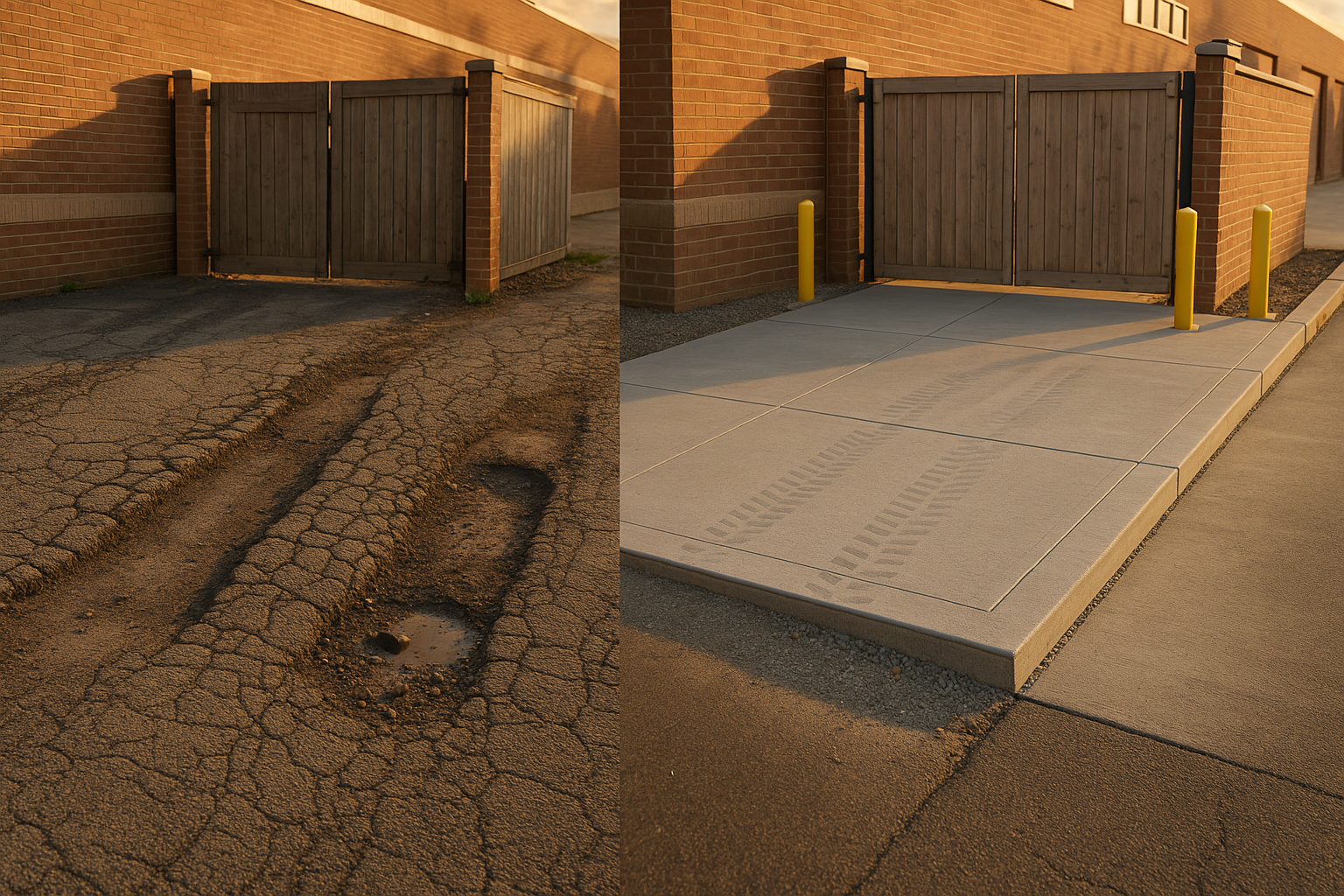
Won’t heavy delivery trucks just destroy the repair again? If the repair is done right—with full-depth patching and proper compaction—it should hold up as well as the original pavement. But if you have constant heavy loads in one area, you might need a thicker pavement design there. We can reinforce high-stress zones like dumpster pads and loading docks.
How can we stay ADA compliant after restriping? Make sure you maintain the correct number of accessible spaces, the right dimensions for stalls and aisles, and proper signage. Even minor adjustments like widening a stall to meet code can trigger a compliance update. Better to have a pro check it.
Let’s Get Your Lot Ready for the Next Round
Potholes are a pain, but they’re not inevitable. With a smart combination of drainage fixes, timely crack sealing, proper patching methods, sealcoating, and restriping, you can keep your parking lot solid for years. The key is to stop reacting to emergencies and start planning ahead. That’s where we come in.
At PavementPros, we’ve been chasing Indianapolis potholes for a long time. We know the soil, we know the weather, we know the shortcuts that don’t work. Whether you’ve got a small church lot in Zionsville or a busy retail center in Avon, we can walk the lot with you, map out every crack and drain, and give you a clear, no-pressure plan with phased options to fit your budget.
Book a free lot assessment and striping plan today. Just click over to our quote form, and we’ll come out, take a look, and give you a straightforward quote—no jargon, no pushing services you don’t need. Let’s beat the next freeze-thaw season before it beats your asphalt.
Ready for a free lot assessment?
We walk the lot, photograph the problems, and hand you a written plan — no pressure, no obligation.