I remember talking to a property manager in Castleton last spring. He'd just gotten a $12,000 quote for emergency pothole fixes and a full sealcoat plus restripe. His lot looked like a war zone — and it was only March. "I thought I could push it one more year," he said, shaking his head. That one year of skipped maintenance turned into a budget-buster. If you're managing a parking lot anywhere from Greenwood to Fishers, you know that feeling. But it doesn't have to be that way. A little planning and some honest numbers can keep your lot — and your budget — from falling apart.
What Goes Into a Parking Lot Maintenance Plan?
At its simplest, annual parking lot maintenance in Indianapolis is a few key services that stack up to protect your asphalt from our brutal freeze-thaw cycles. Think of it like changing the oil in your car: skip it, and you'll pay for a new engine later. Here's what a typical plan covers:
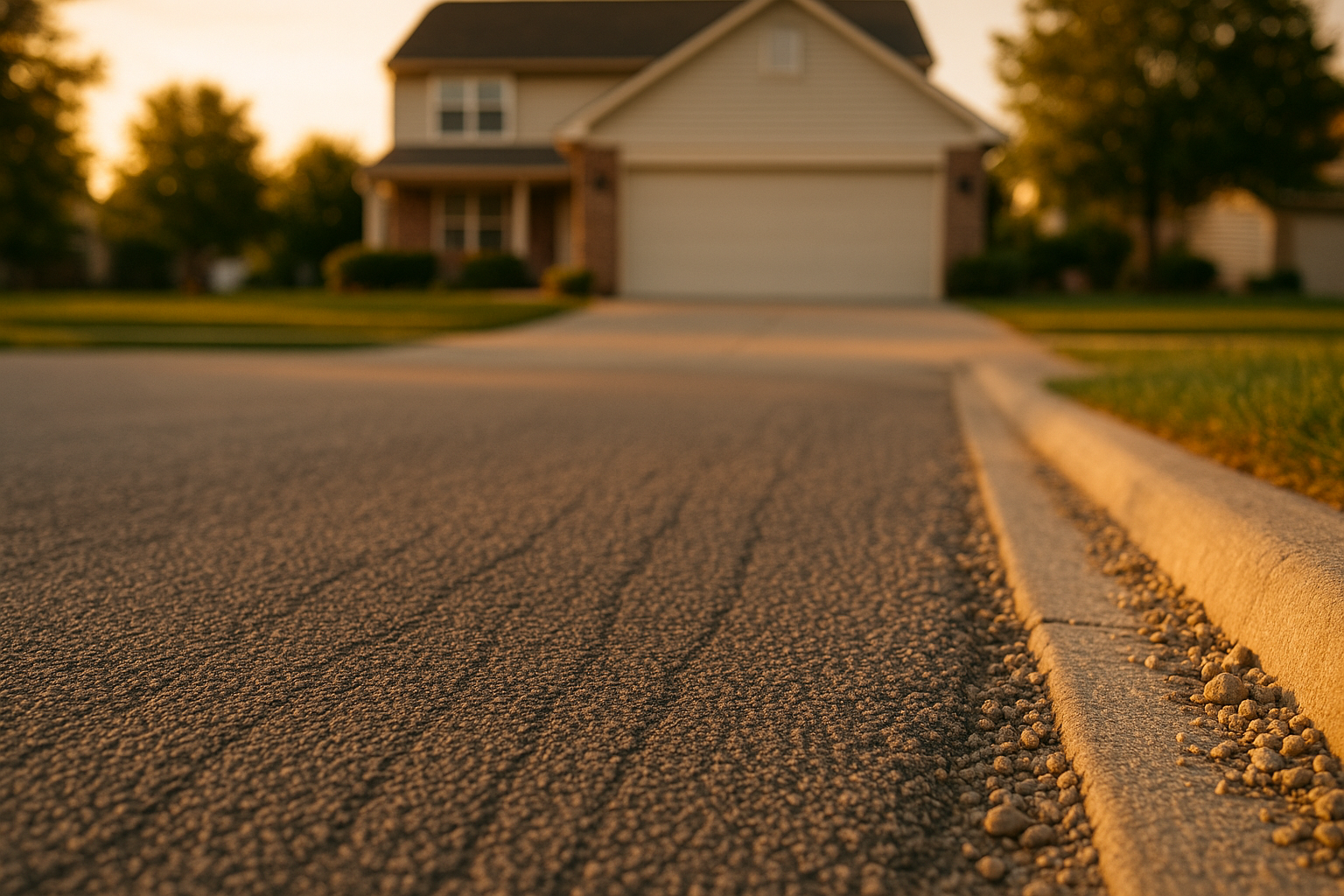
- Crack sealing - filling those linear cracks before water gets in and freezes, popping the pavement apart.
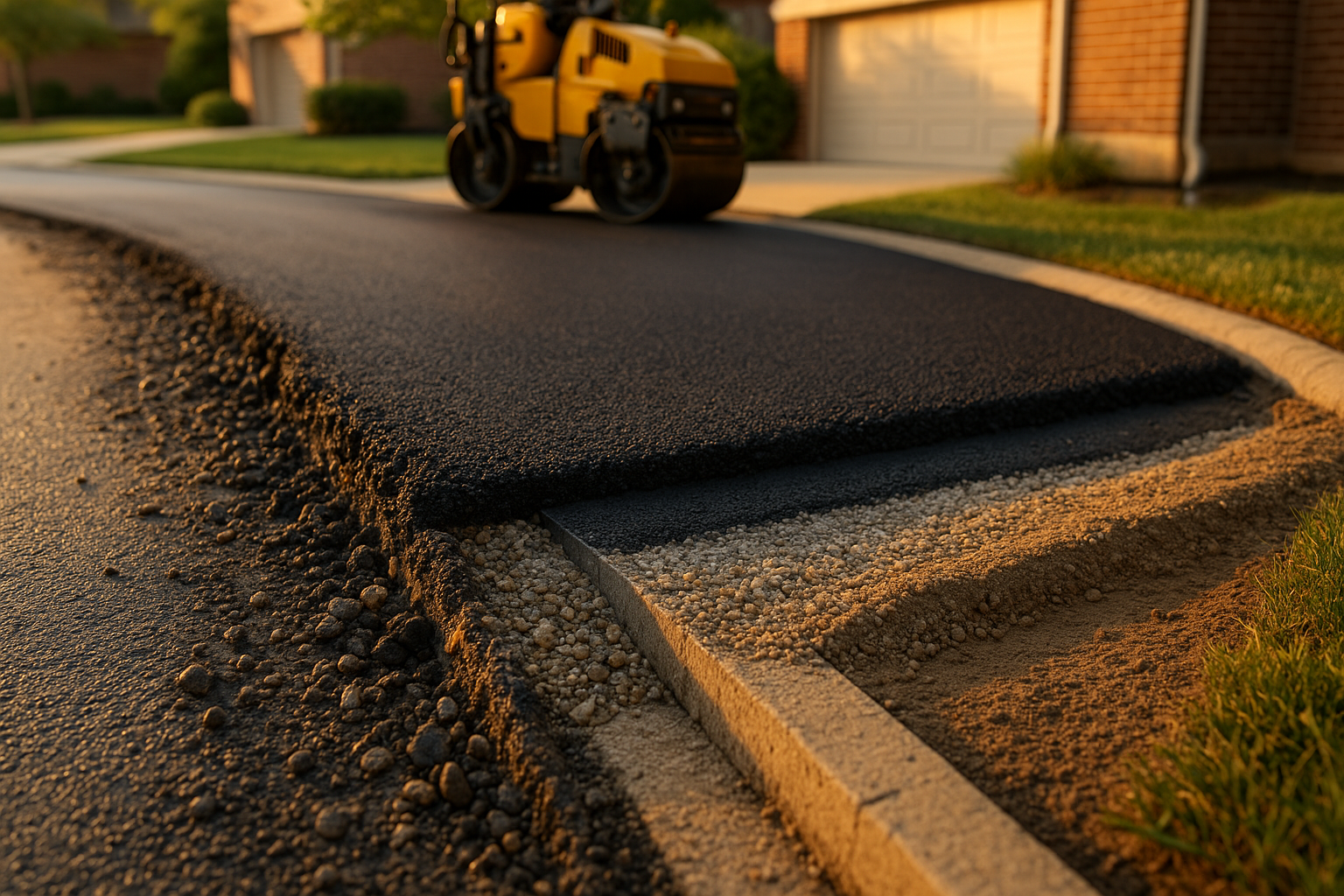
- Pothole patching - cutting out and replacing failed asphalt areas; if you see alligator cracking, don't wait.
- Sealcoating - applying a protective coating that blocks UV rays, oil, and salt from chewing up the surface.
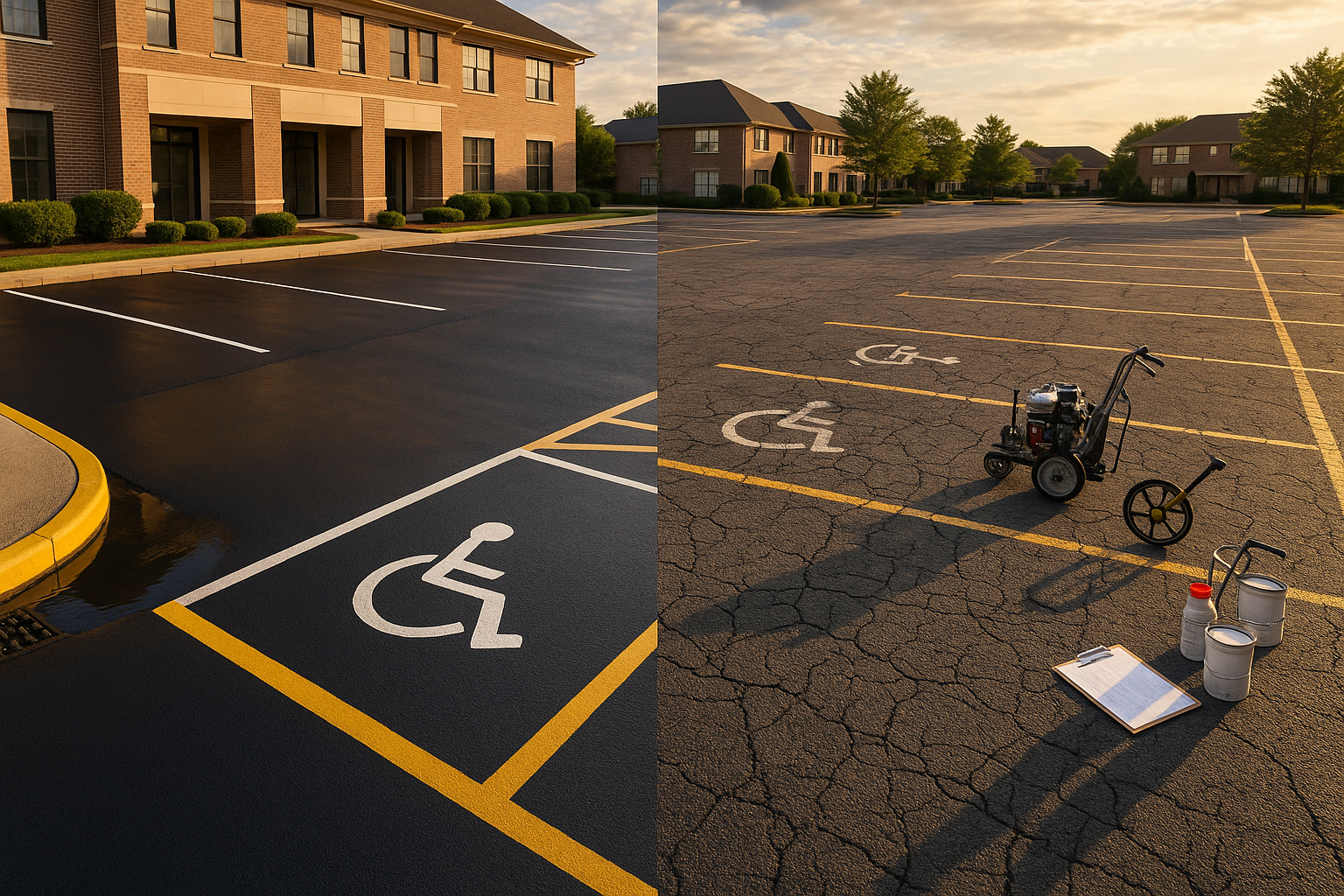
- Striping and curb painting - keeping lines crisp for safety and ADA compliance.
- Cleaning and prep - blowing off debris, treating oil spots so sealer bonds properly.
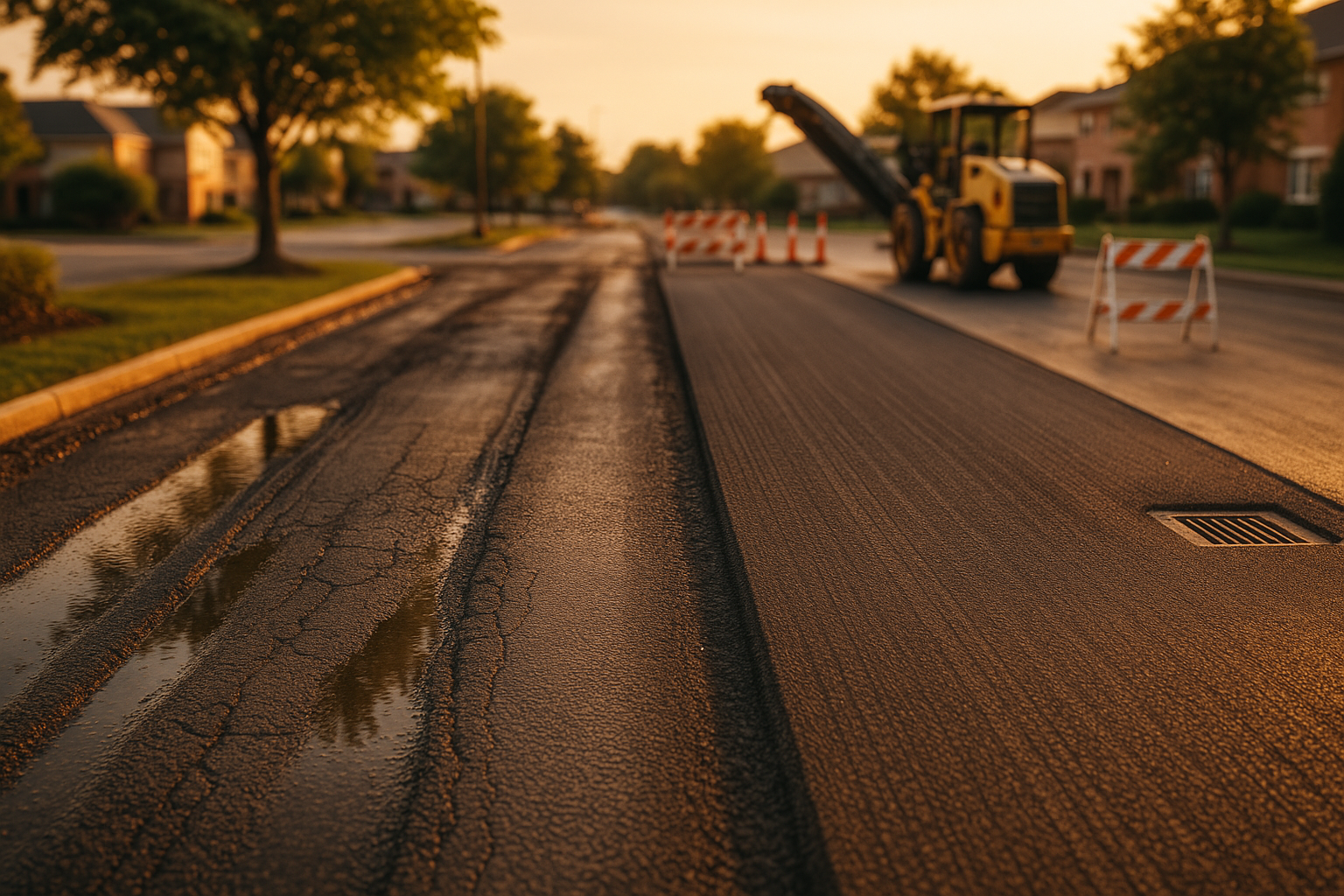
And sometimes you'll need minor drainage fixes, like adjusting a catch basin or regrading a birdbath area that holds water. Standing water is enemy number one for asphalt in central Indiana.
The Real Costs (Indianapolis Edition)
Now, let's talk numbers. I'll give you ballpark ranges based on what we see around Indy, Carmel, and Noblesville. But remember: every lot is different. The biggest cost drivers are square footage, current pavement condition, and how much traffic the lot sees — a church lot gets less abuse than a busy retail strip.
When you're looking at asphalt maintenance cost, it helps to break it down by service. For a typical commercial lot, here's what you might expect:
- Sealcoating: Two coats with sand added for grip? Usually $0.18–$0.35 per sq ft. That's your parking lot sealcoating cost Indianapolis range, depending on access and oil stains. Coal tar sealer often runs a touch higher than asphalt emulsion, but it holds up better to gas and oil. The coal tar vs asphalt emulsion cost debate often comes down to your lot's exposure. (More on that breakdown here.)
- Crack sealing: Your asphalt crack sealing cost depends on crack density and depth. Routed and hot-pour sealed cracks run $1.00–$3.00 per linear foot. If you've got a lot of linear feet—and many older lots do—this can add up fast. But it's way cheaper than letting those cracks become potholes. We talk more about the difference between crack filling and crack sealing here.
- Pothole repair cost: Skin patches (just the top layer) might be $4–$8 per sq ft, but full-depth repairs with proper base work can go $9–$15 per sq ft. Especially after a heavy winter, when plow blades have scraped the surface raw, full-depth is often the only lasting fix.
- Parking lot striping cost: Per linear foot for lines, $0.20–$0.45. Or per stall, including ADA symbols and access aisles, figure $4–$8 per stall. Curb paint typically $1.50–$3.00 per linear foot for a clean, bright yellow edge. We do a lot of line striping Indianapolis and curb painting Indianapolis work that keeps lots safe and sharp.
So for a 20,000 sq ft lot with moderate cracking, you might budget around $0.15–$0.25 per sq ft annually when you spread the cost of sealcoating every two to three years plus yearly crack filling. That includes cleaning and prep, which is usually $0.03–$0.07 per sq ft. But to get a true parking lot maintenance cost Indianapolis number, you need an on-site look. Over the phone, we can't see that one area behind the dumpsters that's sinking toward the storm drain.
Thinking about the life-cycle cost of asphalt helps avoid sticker shock. Instead of reacting to damage every spring, a parking lot maintenance plan smooths out spending over years.
Timing and Phasing: Don't Fight the Weather
If you've spent any time in central Indiana, you know our weather does whatever it wants. But for asphalt work, the sweet spots are April through June and then late August to October. Pavement temps need to be 50°F and rising, and the surface needs to be dry. Trying to sealcoat in November? You might get away with it if we have a warm spell, but the sealer won't cure right and you'll end up redoing it in the spring.
For businesses that can't shut down the whole lot—a medical office in Avon, say, or a restaurant in Broad Ripple—we phase the work. We'll sealcoat half the lot on a Saturday afternoon, let it cure 24 hours, open it Sunday evening, then do the other half the next weekend. Or work nights if you've got good lights. Communication with tenants is everything; we usually help with door hangers or emails so people don't drive over fresh sealer.
Freeze-thaw asphalt damage Indiana is a real budget-killer. That's why our timing and material choices lean toward toughness—read more about how our winters tear up asphalt.
Why Cheap Bids Usually Aren't
I've seen bids that seem like a steal—then I look closer. They might be spraying one thin coat of watered-down sealer, skipping crack routing, or ignoring the ADA stall dimensions. A few years back, a church in Fishers took a low bid and by the next spring, the sealcoat was peeling up in sheets. They paid twice: once to the cheap guy, then again to us to fix it right.
When you compare commercial asphalt maintenance Indianapolis quotes, ask: How many coats? What's the solids content of the sealer? Will they hot-route cracks or just pour fill? What about warranty? A decent workmanship warranty is normal.
Also, coal tar sealer is still allowed in Indiana, and we use it on commercial lots where oil staining is heavy—like restaurant or auto shop lots. It's tough as nails but requires safe handling. Asphalt emulsion is more environmentally friendly and doesn't off-gas as much, but it won't resist chemicals as well. Both have their place. For a deeper dive, our full sealcoating guide breaks down cost and performance.
A Real-World Story
A property manager overseeing three office buildings near Keystone Crossing called us panicked after a tenant tripped on a pothole and threatened a lawsuit. His lot hadn't been maintained in five years—he was just patching emergencies. We did a full assessment, gave him a phased plan spread over two years so he didn't have to cough up $30,000 at once. Year one: crack seal and pothole repair the whole lot. Year two: sealcoat and restripe. Now he's on a three-year cycle and his annual budget is predictable. He also posted notices about the work and offered tenants an alternate entrance during sealcoating weekends; nobody complained. Actually, they liked the safe, sharp-looking lot.
Getting Your Custom Estimate
You don't have to guess. At PavementPros, we start with an on-site walk. We measure everything—linear feet of cracks, pothole areas, square footage—and document it on a map. Then we give you a line-item parking lot maintenance estimate that spells out everything: prep, crack sealing, sealcoating (including number of coats and product type), striping layout with ADA counts, and phasing options. No surprises. And we can schedule around your business's needs, whether you're in a busy Plainfield retail center or a quiet Zionsville church property.
If you're ready to stop sweating over parking lot maintenance cost and start planning, schedule a free on-site assessment today. We'll walk you through what your lot really needs and show you how a little maintenance now saves a ton later.
Ready for a free lot assessment?
We walk the lot, photograph the problems, and hand you a written plan — no pressure, no obligation.