I got a call from Mike last spring—he owns a hardware store over in Greenwood. He was stressed, talking fast. A customer had tripped in his parking lot and twisted an ankle. The culprit? A pothole that started as a hairline crack two winters ago. Mike figured he’d save a few bucks and wait. That one crack turned into a cobweb of damage, and now he was staring down a lawsuit and a five-figure asphalt repair bill. “If I’d just had some kind of plan,” he said, shaking his head.
He’s not alone. Over in Fishers and Carmel, I talk to property managers all the time who treat parking lot upkeep like a surprise expense, not something you schedule. But here’s the thing: asphalt in central Indiana takes a beating. Freeze-thaw cycles, snow plows, heavy spring rains, and our clay soil all gang up on pavement. Without a parking lot maintenance plan, you’re just waiting for the next phone call like Mike’s.
That’s where a clear, written plan changes everything. It’s not just a list—it’s a schedule of small, predictable fixes that stop the big, expensive ones. Think of it as your asphalt’s annual physical. At PavementPros, we build these plans for lots all over the Indy metro, from Zionsville to Greenwood, and they all share a few basic parts.
The True Cost of Winging It
Skipping preventive work feels like saving money. Until it doesn’t. A crack left unsealed lets water down to the base. Come winter, that water freezes, expands, and pushes the asphalt apart. (That’s our famous freeze-thaw damage—check out how it works here.) Then spring rains wash out the weak spots. Now you’ve got alligator cracking, potholes, and a base that’s turning to mush.
Liability is the other headache. Uneven pavement, missing line striping, potholes in a dimly lit corner—all of it can trip up a visitor. Around here, we’ve seen claims spike after rough winters. A parking lot maintenance plan isn’t just about looks; it’s a safety net that shows you’re serious about protection.
And downtime? I hear that worry a lot: “We can’t shut down our lot.” But planned work is way less disruptive than an emergency. We can phase sections, work weekends, or use after-hours. A sudden base failure that forces a full closure, that’s what really kills your business.
What Goes Into a Real Plan
Every lot is different, but a solid parking lot maintenance plan covers these pieces. We’ll walk them with you rather than handing you a generic template.
Crack Management: Sealing vs. Filling
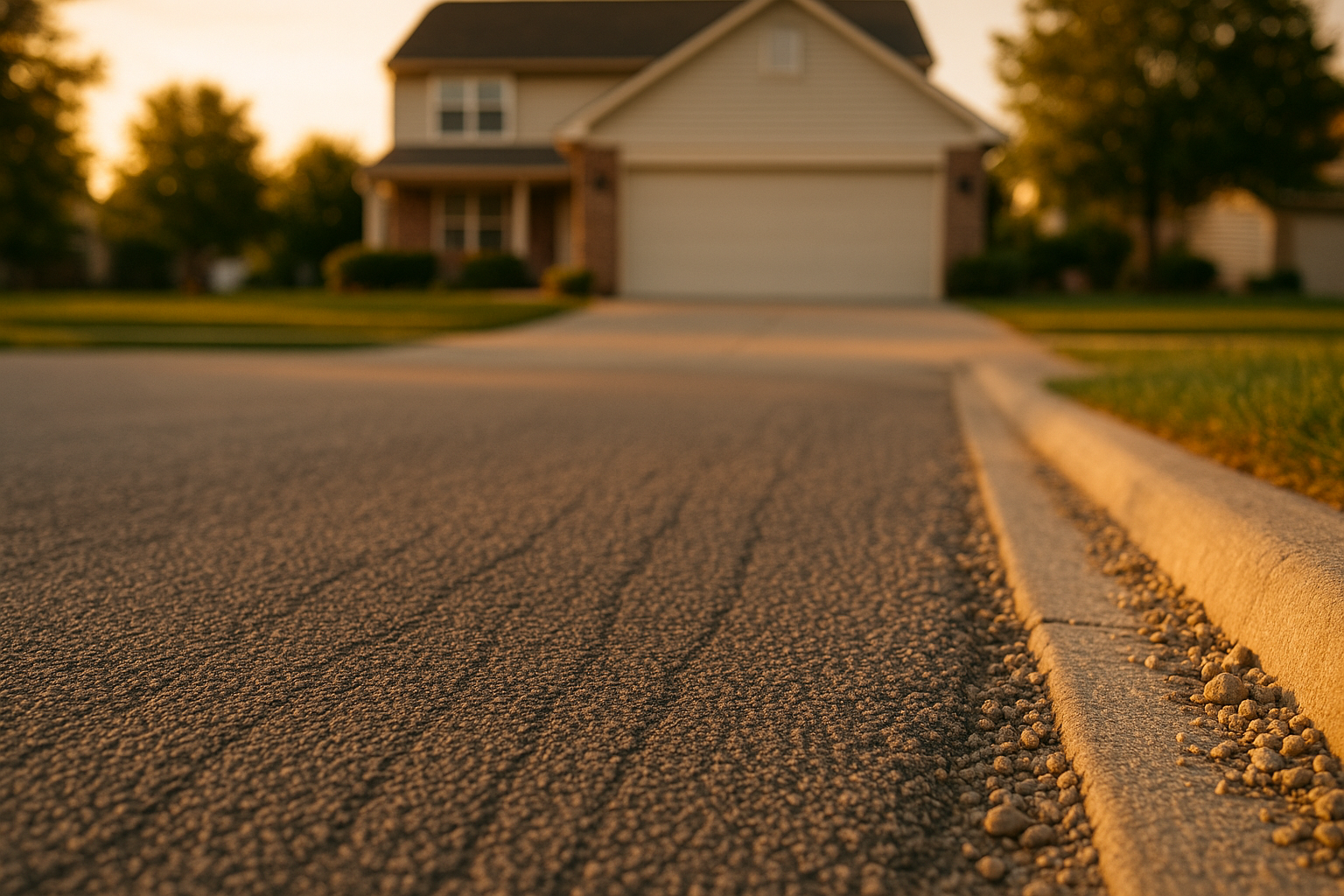
Not all cracks are the same. Hairline “working” cracks that move with the seasons need routing and hot-pour sealant to stay flexible. Those are the ones we really chase. Meanwhile, old, static cracks might just get a simpler fill. There’s a big difference, and it matters for your budget. I break it down more in this post on crack filling versus crack sealing. In Indianapolis, with our temperature swings, we almost always go for sealant on active cracks—it lasts years longer.
Sealcoating on a Schedule
Sealcoating is like sunscreen for asphalt. It blocks UV, oil, and water. But timing and materials matter. The best window here is May through September, when nights are above 50°F and the air’s dry. We usually recommend a two-coat application in drive lanes and a single coat in parking bays, using high-quality sealer with sand for grip. And yeah, the choice between coal tar and asphalt emulsion raises eyebrows. We’ll talk straight about that: coal tar vs. asphalt emulsion sealer lays out the pros and cons without the hype.
Potholes and Patches
When potholes show up, quick patches with cold mix are a Band-Aid. They get you through winter, but a real fix means cutting out the bad spot and putting in hot-mix asphalt that bonds with the surrounding pavement. I’ve seen lots where cheap patches keep re-breaking in the same spot—the problem is usually water under the base. A proper pothole repair plan addresses drainage and base compaction. More on that liability side if you’re worried: pothole liability for property managers.
Striping and ADA
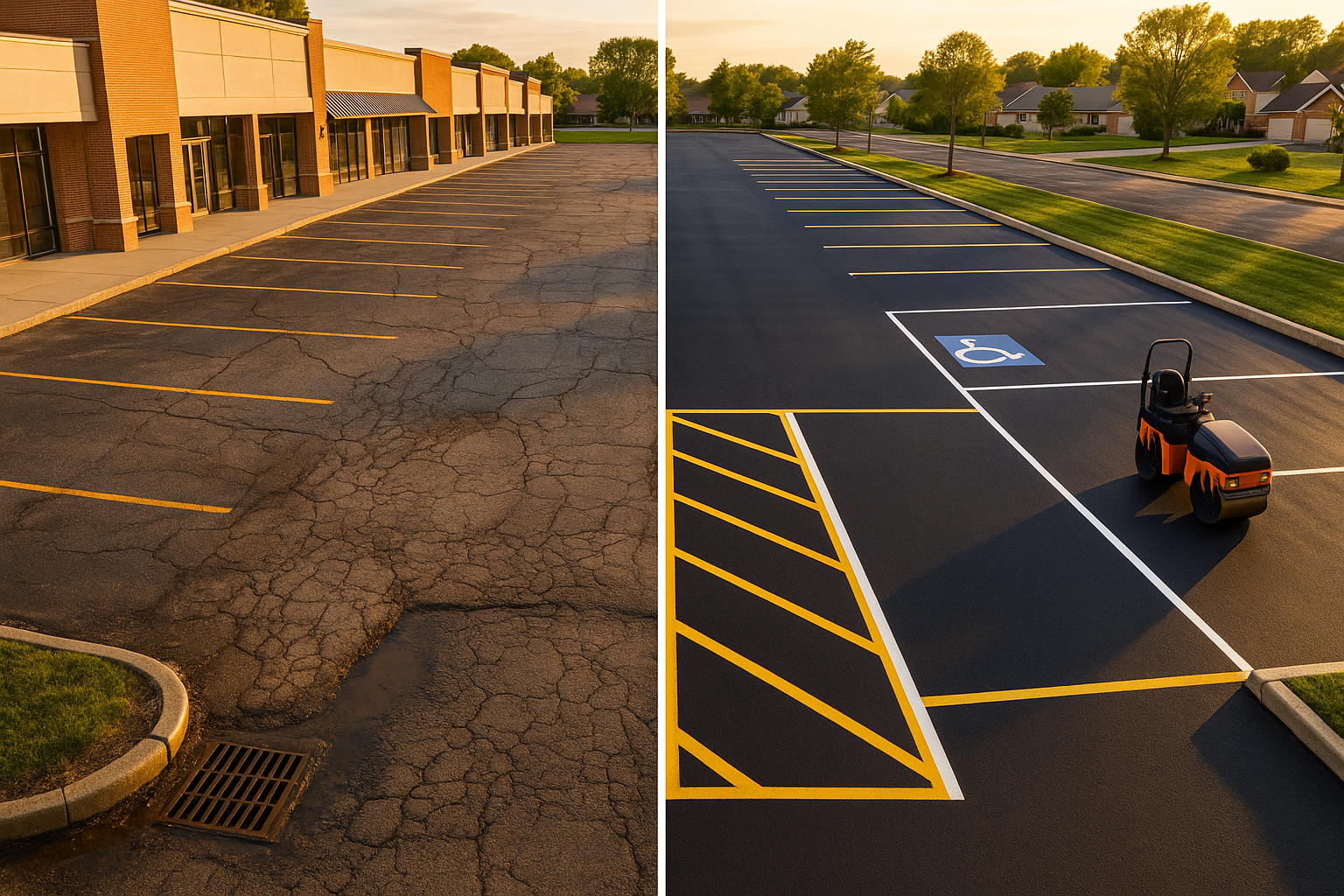
Faded lines and missing handicap symbols are a lawsuit magnet. Indiana follows federal ADA standards, so your striping needs to be bright, properly sized, and placed with the right slopes and signage. After a fresh sealcoat is the perfect time to re-stripe. We check counts, access aisles, and even signage during our regular inspections. (No one wants a letter from the DOJ.)
Oil Spills and Stains
Grease and oil break down asphalt binders fast. If you’ve got a spot where cars drip oil—like near a dumpster or a delivery zone—we’ll treat it before sealcoating. A simple prime coat can keep the sealer from lifting later. If you’re seeing a lot of spots, we’ve got a whole article on oil and chemical spill protection.
Drainage: The Silent Killer
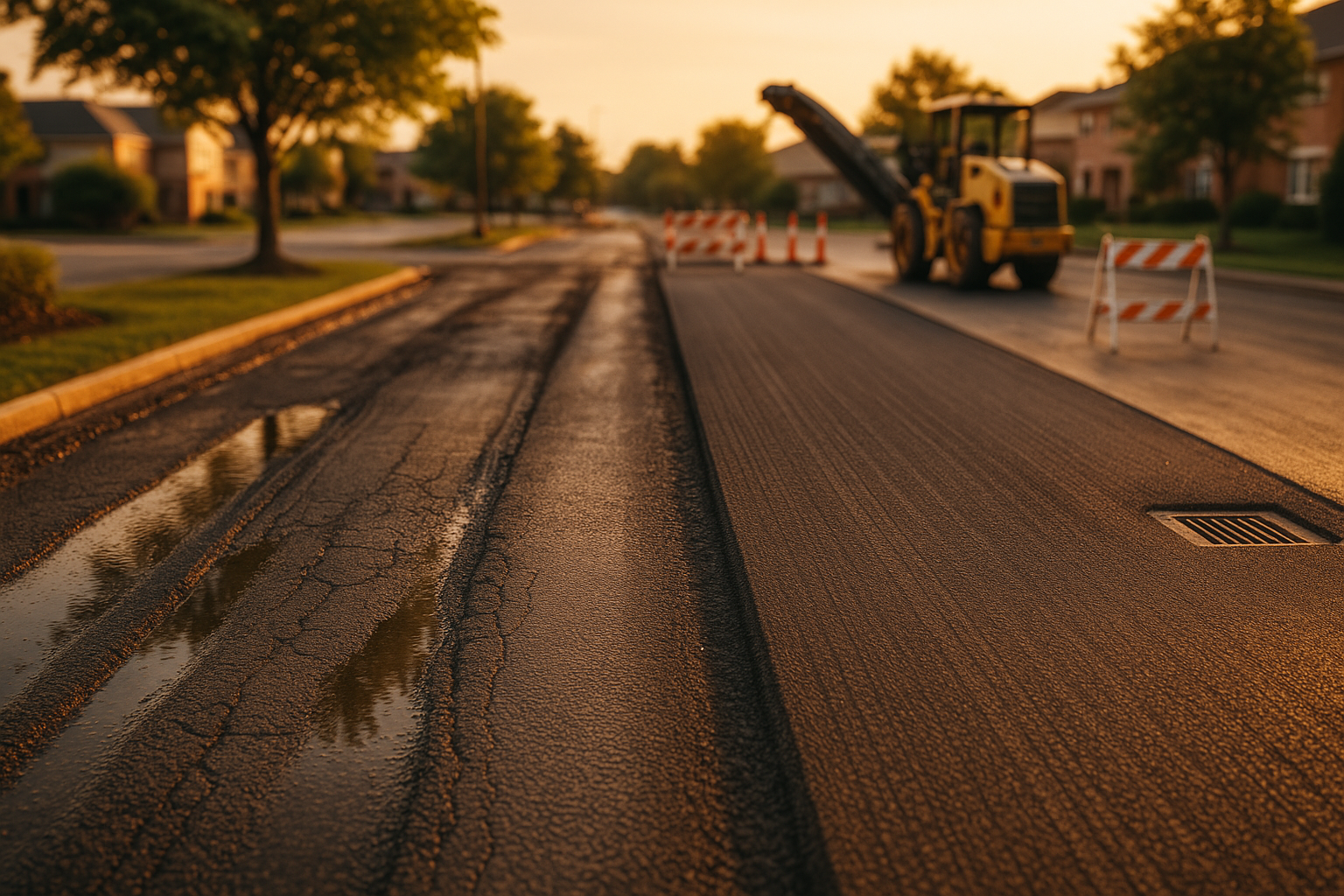
Standing water is the enemy. Our clay-rich soil around Indy doesn’t drain well, and old catch basins often clog with leaves—especially in tree-lined lots in places like Meridian-Kessler or older Broad Ripple. We put drainage tune-ups right in the plan: cleaning catch basins, fixing low spots, and making sure downspouts don’t pour onto the pavement. A little grading can save thousands down the road.
Timing It Right Here in Central Indiana
Locals know: our weather doesn’t do subtle. That’s why a parking lot maintenance plan has to match the seasons.
- Spring (March–April): After the last freeze, we inspect for winter damage. Snow plow scrapes along curbs, new cracks from freeze-thaw, and drainage issues pop up. We patch early so things don’t worsen.
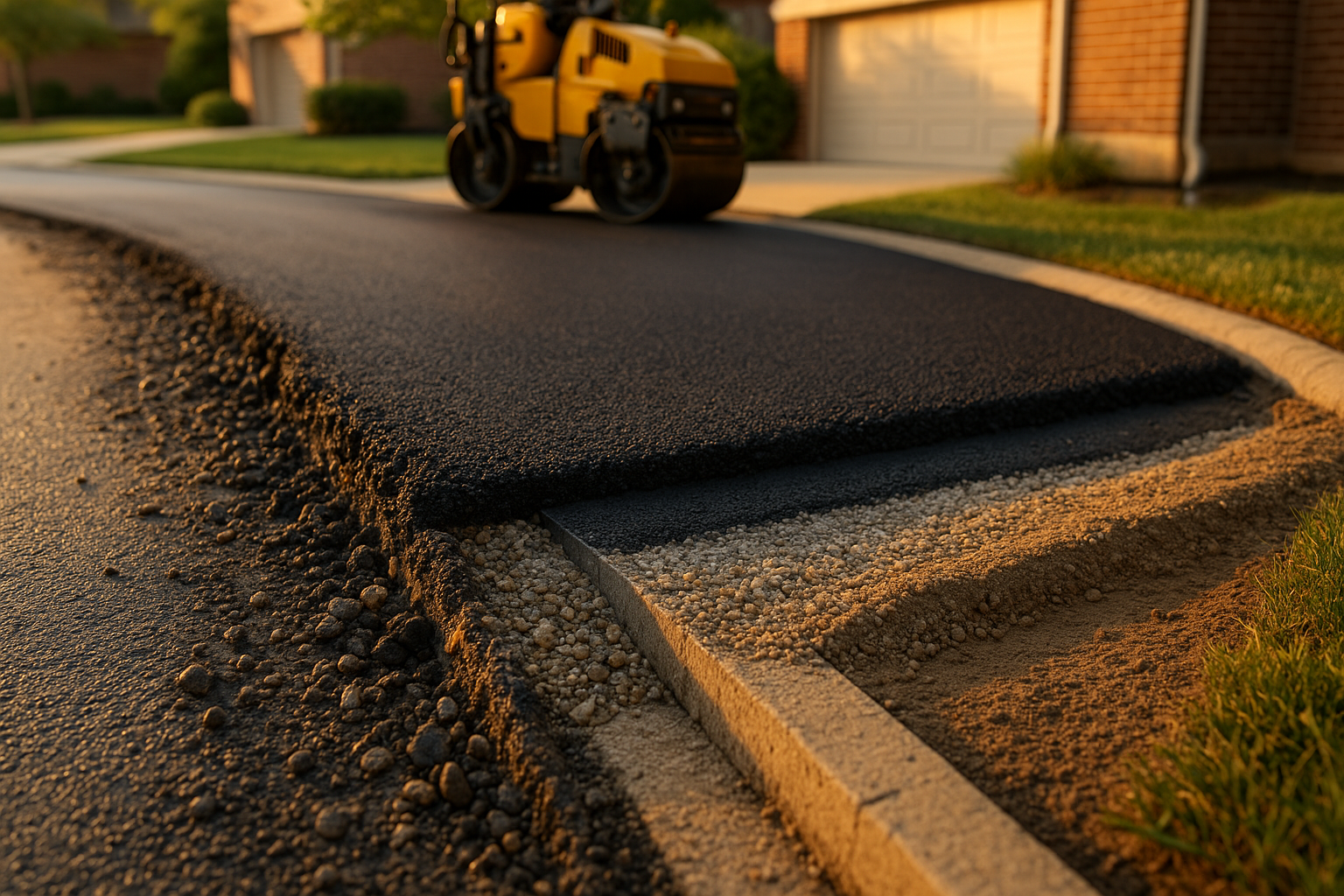
- Summer (May–September): The sealcoating window. Dry, warm weather means fast curing. We also stripe, fill cracks, and grind down any trippers.
- Fall (October–November): Clean up leaves, check catch basins, and seal large cracks before winter moisture gets in. This is when you shore up for the cold.
- Winter (December–February): You’re limited, but we can triage potholes with cold mix and remind snow plow crews to keep blades a half-inch off the asphalt. Salt and brine will still eat at the surface, so we note areas for spring.
Making the Numbers Work
A lot of folks think maintenance is an expense. It’s really an investment that extends the life of your asphalt—sometimes by 10 or 15 years. Compare that to a full reconstruction at $5–$10 per square foot. I’ve got a write-up on budgeting annual parking lot maintenance that walks through setting aside a reasonable annual amount, and another that breaks down sealcoating costs specifically in Indianapolis. The key is line-item visibility: we give you a forecast for several years, so you know what’s coming and can avoid big surprises.
Let’s Walk Your Lot Together
That flustered friend in Greenwood? He’s now on a plan. We did a full spring inspection, mapped every crack, fixed the drainage near his loading dock, sealcoated in June, and restriped. His lot looks better than the day he bought the place, and his insurance premium actually nudged down. No more panicked calls.
You don’t need to figure this out alone. PavementPros does a no-pressure site walk with you—whether you manage a church in Zionsville, a strip mall in Avon, or a medical office in Carmel. We’ll point out what needs attention, put it in writing as a clear multi-year plan, and give you a quote that spells everything out. No fine print games.
Simply schedule a lot walk with us here and we’ll take it from there. Your parking lot is the first impression for your customers, so let’s make sure it tells a good story.
Ready for a free lot assessment?
We walk the lot, photograph the problems, and hand you a written plan — no pressure, no obligation.