Last spring, a homeowner in Fishers called us after staring at two wildly different bids. One said "sealcoat and crack fill" for about $1,200. The other said "mill and overlay" for nearly $8,500. She was confused. Both contractors claimed their way was best. We told her the truth: it depends on what the asphalt needs right now, not what it needed five years ago. That's the difference between pavement preservation and rehabilitation. And the words in your bid matter a lot.
What Pavement Preservation Actually Means
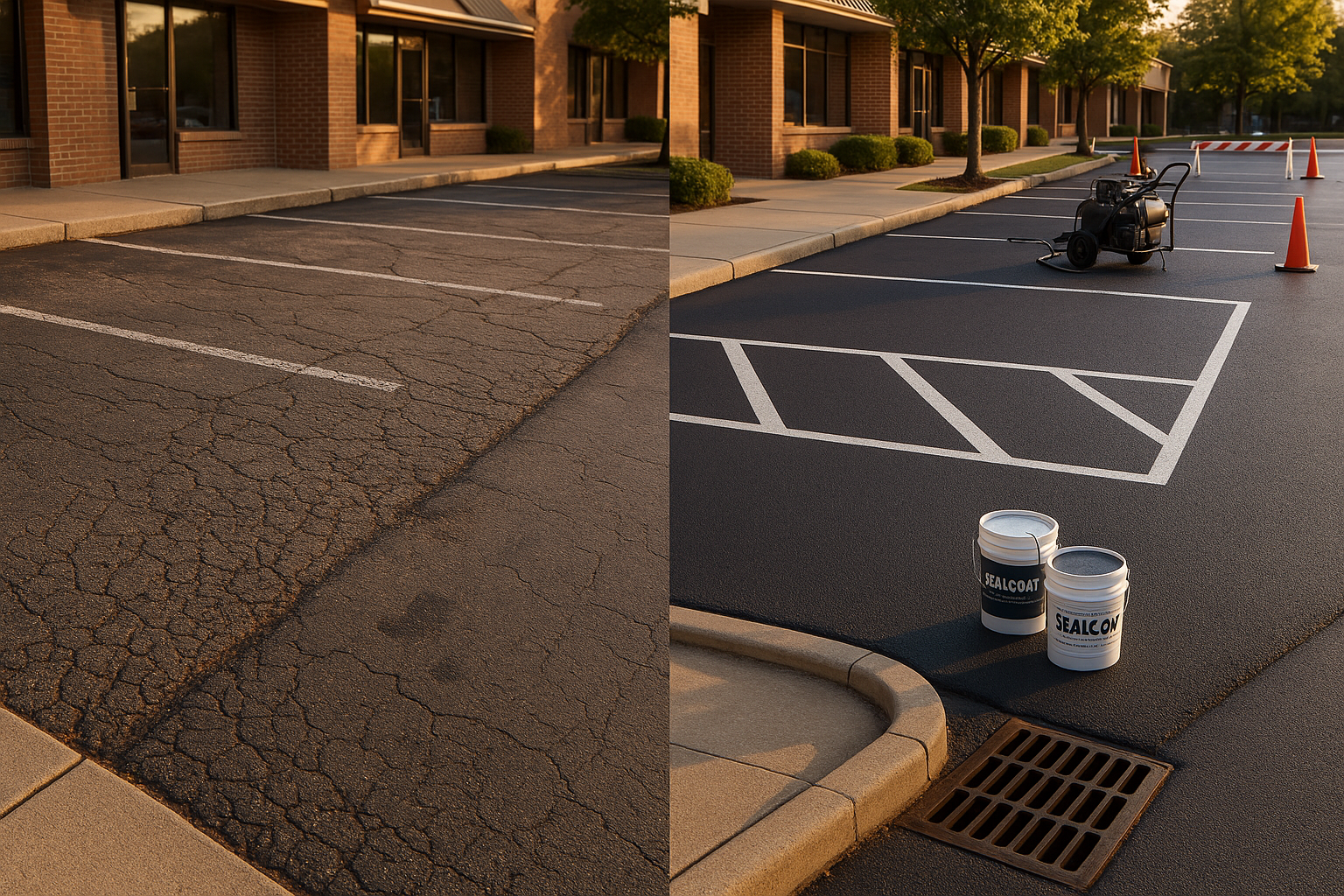
Pavement preservation is the stuff you do before the big problems start. Think of it like brushing your teeth and getting a cleaning every six months instead of waiting for a root canal. For asphalt, that means sealcoating, crack sealing, and small patching. These are relatively cheap, quick jobs that keep water, sun, and salt from chewing up your parking lot or driveway. When we talk about sealcoating Indianapolis, we're really talking about a layer of asphalt emulsion that blocks UV rays and water. Without it, the asphalt binder oxidizes, turns gray, gets brittle, and eventually ravels into loose stones. Crack sealing is exactly what it sounds like—filling those hairline cracks before they become gaping potholes. And a little patching can fix a soft spot before it spreads. All of this is pavement preservation. It's proactive.
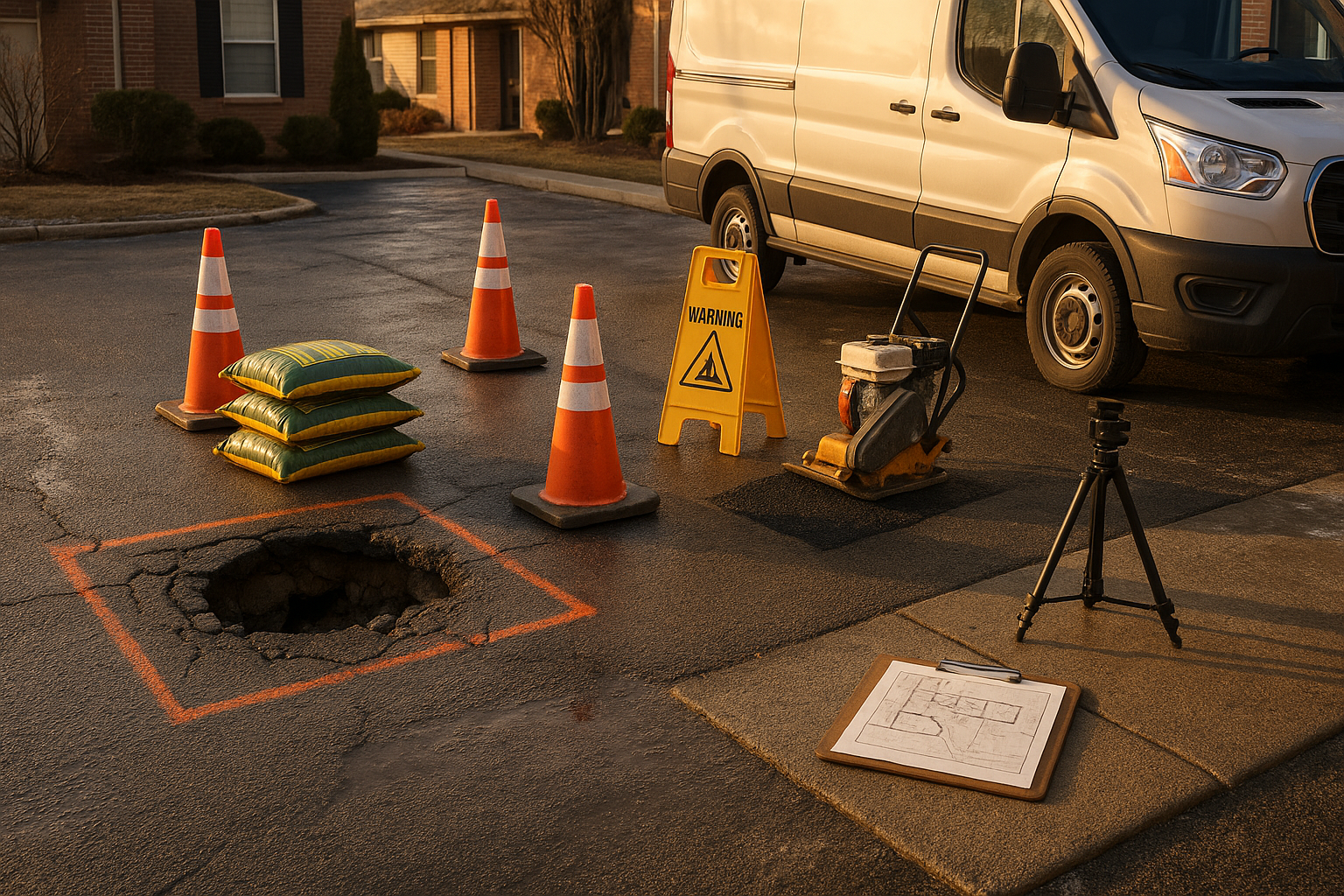
Rehabilitation, on the other hand, is what you do when the damage is already done. That's the mill and overlay, or full depth replacement. It's expensive because you're rebuilding the pavement structure, not just protecting the surface. The goal of preservation is to push that rehab date way down the road. In Indianapolis, where freeze-thaw cycles and snowplow blades beat up asphalt every winter, a good asphalt maintenance plan can add years.
If you're already seeing big cracks or potholes, you might need more than preservation—check out our post on asphalt driveway repair in Indianapolis.
Why Indianapolis Pavement Needs a Different Playbook
Our winters are brutal on asphalt. Water gets into tiny cracks, freezes, expands, and pops the surface apart. Then spring rains wash out the base, and before you know it, you've got potholes. De-icing salts and liquid brines speed up oxidation, too. And don't forget the clay soils around central Indiana. They hold moisture and shift with the seasons, which means even well-built pavement moves. That's why a regular sealcoating schedule matters more here than in, say, Phoenix. But timing is everything. You can't sealcoat when overnight temps are below 50°F, or the sealer won't cure right. The best time to sealcoat in Indiana is usually late spring through early fall, when nights stay warm and dry forecasts hold for 24-48 hours. We track weather windows closely. If you miss the fall window, you might be better off waiting until next spring—especially if leaves are dropping. Fall leaves and acorns can stick to fresh sealer and ruin the finish. We wrote about that in our post on leaf debris and blocked drains.
When Sealcoating Is the Right Call (and When It Isn't)
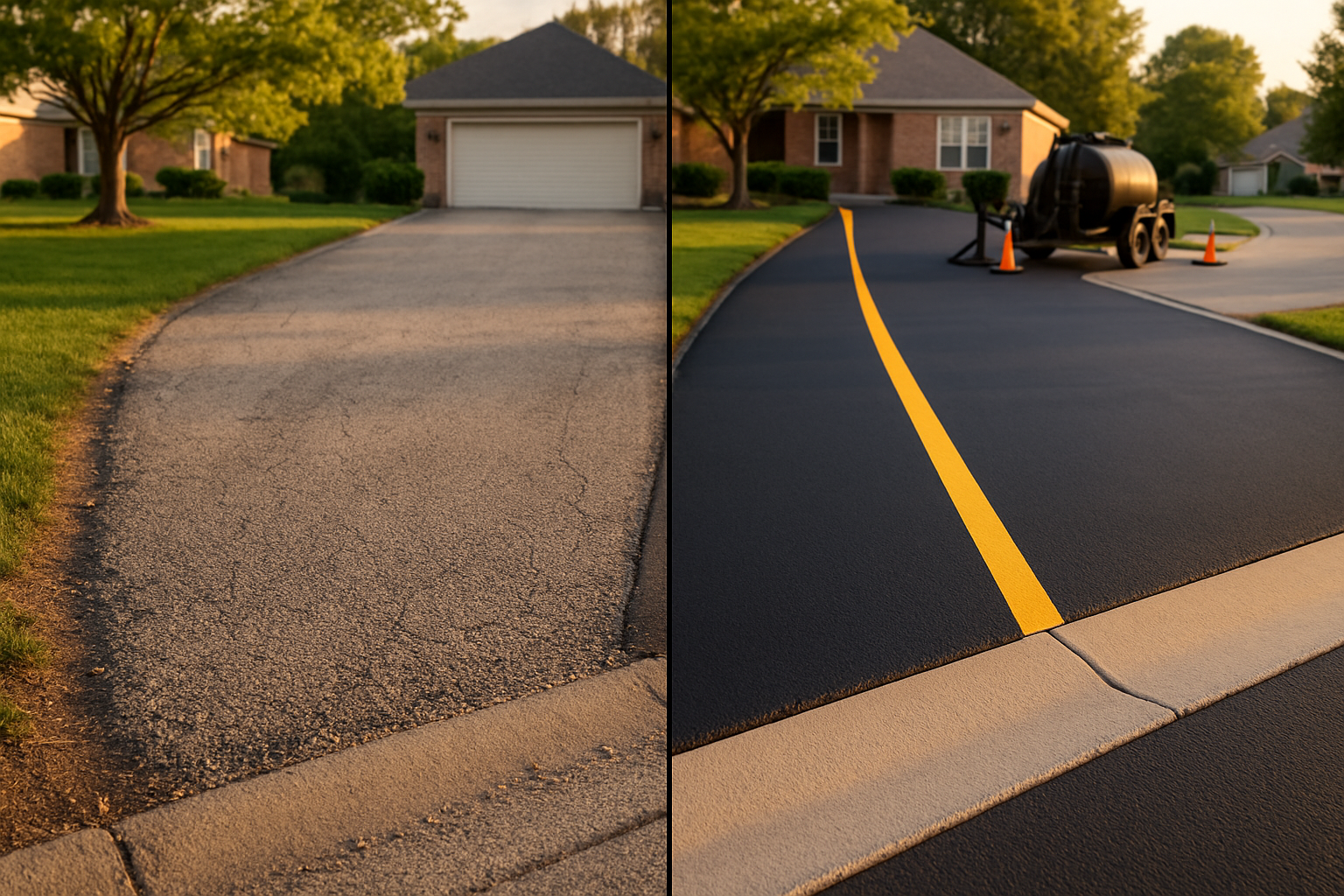
Not every gray driveway needs a full rehab. Look at the surface. If it's starting to gray but still has no major cracks, just fine hairline ones, sealcoating is perfect. If water still beads up after a rain, you might have another year. But if water soaks in immediately, if you see loose stones, if cracks are wider than a quarter inch, or if there are depressions and potholes, then a simple sealcoat won't fix those. At that point, you need crack sealing, patching, maybe even an overlay. Sometimes people ask if sealcoating is just cosmetic. The answer is no. A quality polymer-modified asphalt emulsion sealer actually penetrates and protects, slowing oxidation and water damage. It also restores that dark, uniform look, which is a nice bonus for curb appeal or a business's image. But if you put sealer over already-failing asphalt, it'll peel and look worse. So read the pavement first. We always do a site walk before quoting. That's part of our process. If you're not sure, ask. We've told plenty of people to hold off and save their money. It's not worth sealing a driveway that needs base repair first.
If you've got a brand-new driveway, you might think you don't need anything. But timing matters—check out our post on when to seal a new asphalt driveway.
What Goes Into a PavementPros Preservation Job
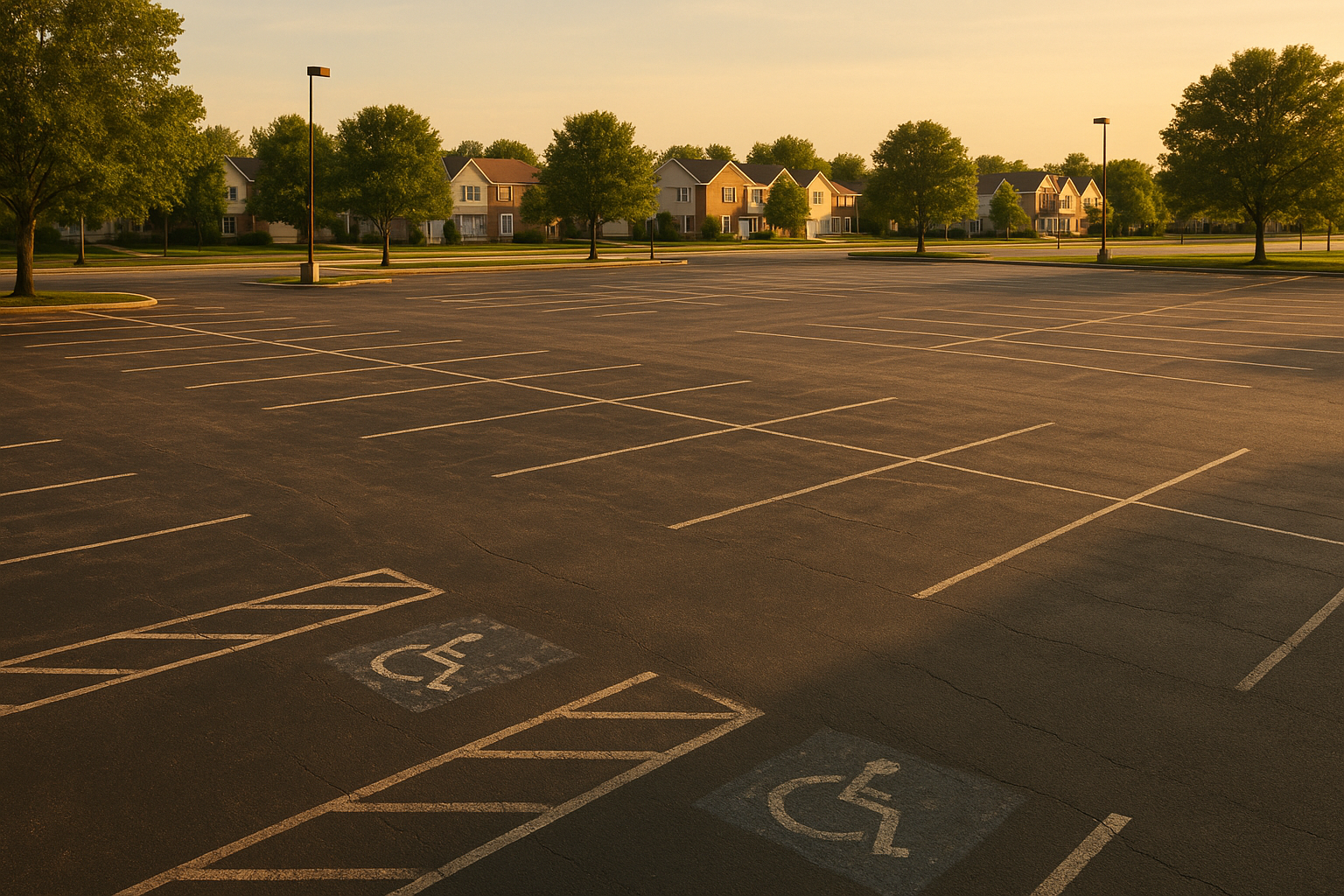
When we do preservation work, we don't just roll up and start spraying. Prep is everything. We blow off debris, edge the grass and weeds, clean oil spots with a degreaser, and route out cracks so the sealant has clean edges to bond to. For bigger cracks, we fill them with a hot rubberized sealant. Then we apply two coats of a sand-loaded, polymer-modified asphalt emulsion. The sand gives texture so it's not slick when wet. Two coats give better coverage and longer life than one thick coat. We use squeegees on residential driveways for a neat, crisp edge along concrete aprons and sidewalks. On commercial parking lots, we use spray equipment for speed and consistent coverage. We also protect curbs, drains, and any nearby structures. If you have a business, we can phase the work so you stay open. We'll stripe right after the sealer cures—usually 24-48 hours for foot traffic, 72 hours for vehicles. We handle line striping and markings, signage, and even parking lot post repair if needed. The whole point is a complete asphalt preservation plan, not just a quick coat.
If your lot's signs or posts are looking rough, read our post on parking lot signage and post repair.
How Often Should You Sealcoat?
There's no magic number like "every 2 years." It depends on traffic, sun exposure, drainage, and winter abuse. A residential driveway in a quiet cul-de-sac in Zionsville might go 3-4 years between coats. A busy strip mall parking lot in Greenwood with constant traffic and plowing might need it every 12-18 months. The best approach is to set a sealcoat frequency based on your specific conditions, and inspect annually. Look for graying, fine cracking, or loss of fines (those tiny stones on the surface). If you catch it early, a simple sealcoat costs a fraction of what repaving would. If you wait too long, you're looking at a much bigger project. That's why we recommend a 3-5 year maintenance plan for most properties. It's not a gimmick—it's just budgeting for the inevitable. Preservation is always cheaper than replacement.
Planning ahead? Read our post on the fall bidding season for spring paving.
Get a Real Number and a Real Plan
If you're staring at two bids and one says pavement preservation while the other says rehabilitation, call us. We'll come out, walk the property and the pavement, and give you an honest assessment. No pressure, no scare tactics. We'll write up a clear scope with line items so you know exactly what you're paying for. We'll also talk about timing—the best weather window for your schedule. Then you can decide. For most Indianapolis properties, starting with a preservation plan makes sense if the pavement is still structurally sound. If it's too far gone, we'll tell you that, too. Pavement preservation isn't a luxury; it's the cheapest insurance you can buy for your asphalt. Get a site visit and a written quote. You can request one on our website. It's the fastest way to stop guessing and start protecting your asphalt.
Request a quote today.
Ready for a free lot assessment?
We walk the lot, photograph the problems, and hand you a written plan — no pressure, no obligation.